
The Federal Network Agency, Bundesnetzagentur, reported that LNG inflows through North Sea and Baltic ports held steady even as Iranian military action disrupted Persian Gulf infrastructure. While Qatar halted liquefaction following missile strikes on its facilities, global production levels actually climbed to 1.59 billion cubic meters per day by May 2026, slightly outpacing the previous year.
Germany Shifts Toward U.S. Gas as Middle East Supplies Wither
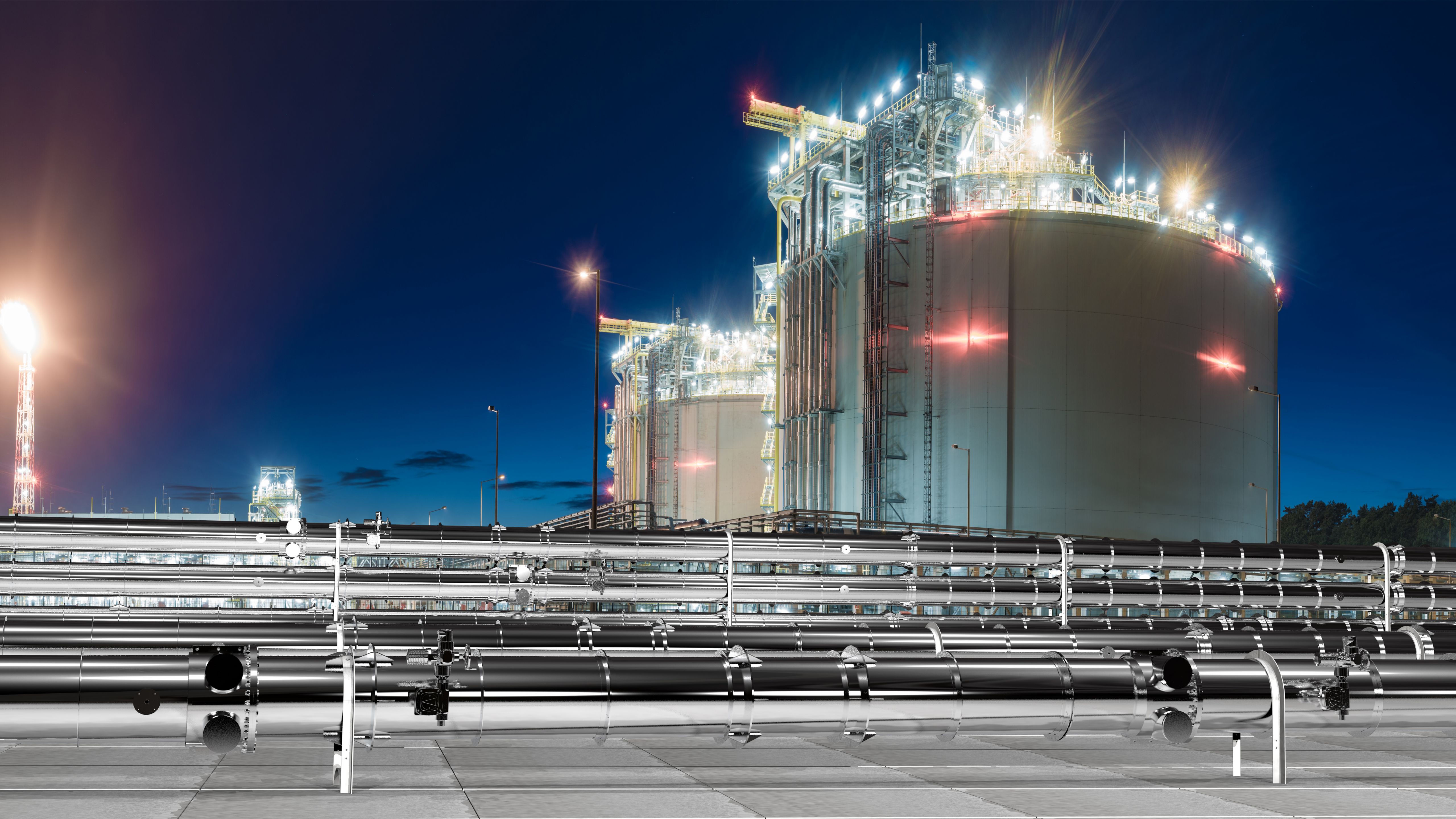
German reliance on American liquefied natural gas has climbed to 12% of total imports, filling the void left by a shuttered Strait of Hormuz. Despite the loss of shipments from Qatar and the UAE, the Federal Network Agency confirms the nation’s energy reserves remain stable and the risk of shortage low.
Domestic industrial demand has slumped under the pressure of volatile pricing, raising concerns about the long-term competitiveness of German manufacturing. Uniper, a primary importer for Northwest Europe, maintains that American gas remains the most economical solution for the current market. However, Carsten Poppinga, the company’s chief commercial officer, has signaled that buyers must continue to seek a broader range of suppliers to mitigate future geopolitical risks.


Comments (0)
No comments yet. Be the first!