
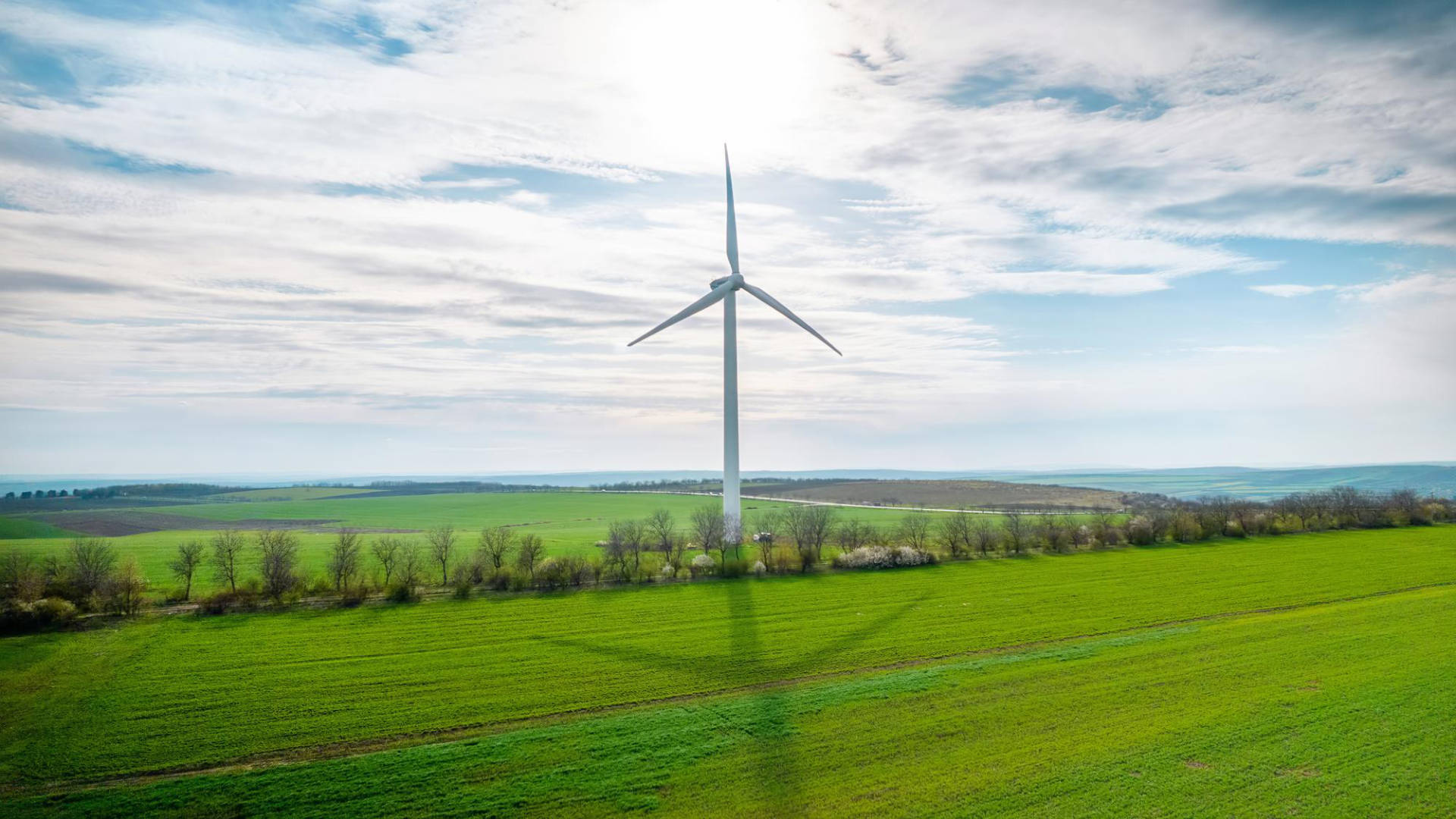
The United States faces a mounting energy deficit as the artificial intelligence boom creates unprecedented strain on power grids. While the need for rapid decarbonization grows, developers report that the primary obstacle is no longer a lack of capital or technology, but a Byzantine permitting process. According to analysis from JP Morgan, overlapping state and federal policies have created a bottleneck where grid upgrades and new generation capacity remain stalled, driving up costs and reducing overall energy resilience.
A recent report from Wood Mackenzie highlights the impact of these hurdles, noting that approximately 32% of the early-stage renewable pipeline is now subject to heightened federal scrutiny. The situation has worsened under recent administrative directives, which require senior-level approval at every stage of the permitting process. Projects on private land often become entangled in multi-agency reviews involving the Fish & Wildlife Service, the Bureau of Land Management, and the Army Corps of Engineers, creating a system where excessive bureaucratic oversight effectively kills projects that are already in the pipeline.



Comments (0)
No comments yet. Be the first!