
The reliance on river water to regulate core temperatures means that France's energy backbone is increasingly vulnerable to extreme weather. When river temperatures rise, the water loses its efficacy as a coolant, forcing operators to curb output to prevent system damage. This reduction ripple effects across Europe, threatening energy stability in neighboring Germany and the United Kingdom, which rely on French nuclear exports to maintain their own grid equilibrium. The crisis extends beyond nuclear energy, as hydropower, coal, and gas plants also face diminished operational efficiency under the intense thermal load.
France Curbs Nuclear Output as Heat Waves Cripple Power Grids
As temperatures climb toward 42°C in France, the nation is forced to throttle production at five nuclear power plants. The cooling systems essential for these facilities are failing to function in the overheated river water, creating a dangerous paradox where demand for electricity spikes just as capacity collapses.
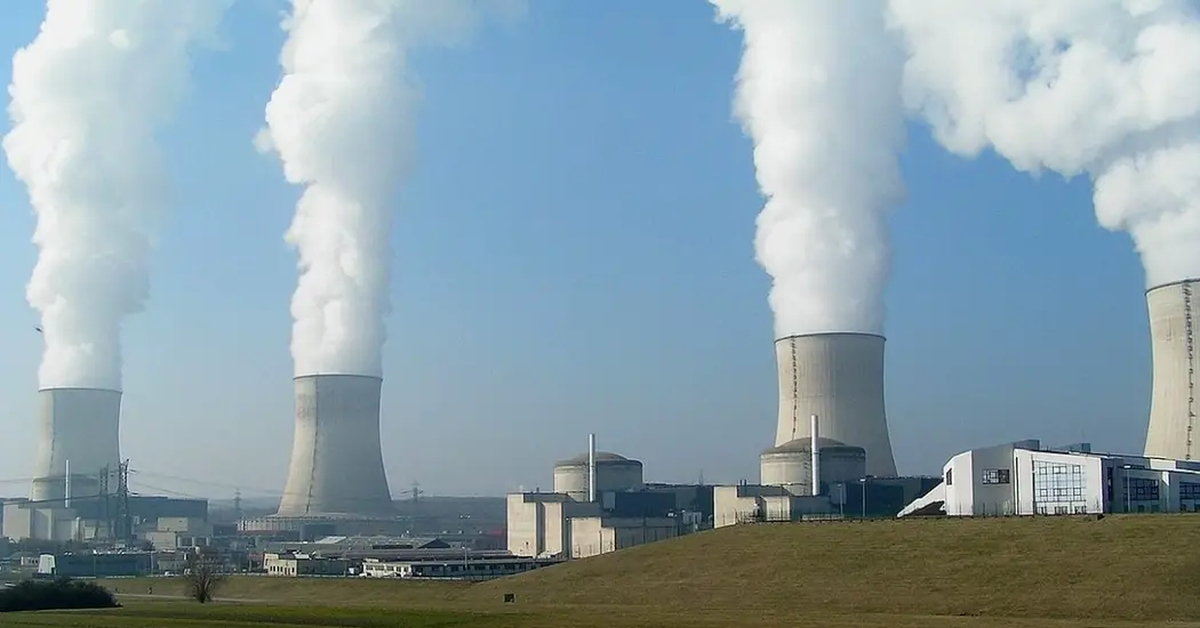
Experts argue that the current infrastructure is ill-equipped for this new climatic reality. While the European Environment Agency confirms that all 27 EU member states possess climate adaptation plans, these frameworks remain largely theoretical due to a chronic lack of long-term funding. Simone Tagliapietra of the think tank Bruegel suggests that utilities must urgently pivot toward climate-proofing cooling systems, reinforcing grids, and deploying large-scale battery storage. However, the sheer cost of such overhauls has led to systemic inaction, leaving the continent exposed to the recurring risk of blackouts and the rising human toll of heat-related emergencies.



Comments (0)
No comments yet. Be the first!