

HomeEnergyCalifornia and the White House Clash Over Energy Policy
Energy

California and the White House Clash Over Energy Policy

A deepening rift between the Trump administration and California’s government has turned the state’s green energy transition into a high-stakes legal and political battlefield. While Sacramento pushes for an emission-free grid by 2045, federal officials are actively leveraging emergency powers to prioritize fossil fuel expansion and industrial development.

California and the White House Clash Over Energy Policy

Between 2019 and 2026, California integrated 30.8 GW of clean energy and battery storage, a shift Governor Gavin Newsom highlights as proof that the world’s fourth-largest economy can thrive on renewables. Yet, this trajectory faces direct interference from Washington. Since declaring an energy emergency in January 2025, the Trump administration has used executive orders to push for increased oil and gas output, often targeting state-level climate regulations as obstacles to national interests.

The friction has manifested in multiple legal and regulatory confrontations. In June, the White House announced a performance assessment of the California Coastal Commission, a move following the commission’s refusal to expand SpaceX rocket launches. Simultaneously, the administration is attempting to reactivate shuttered oil pipelines and has entered into agreements to divert $120 million in funds away from offshore wind projects toward out-of-state fossil fuel ventures.

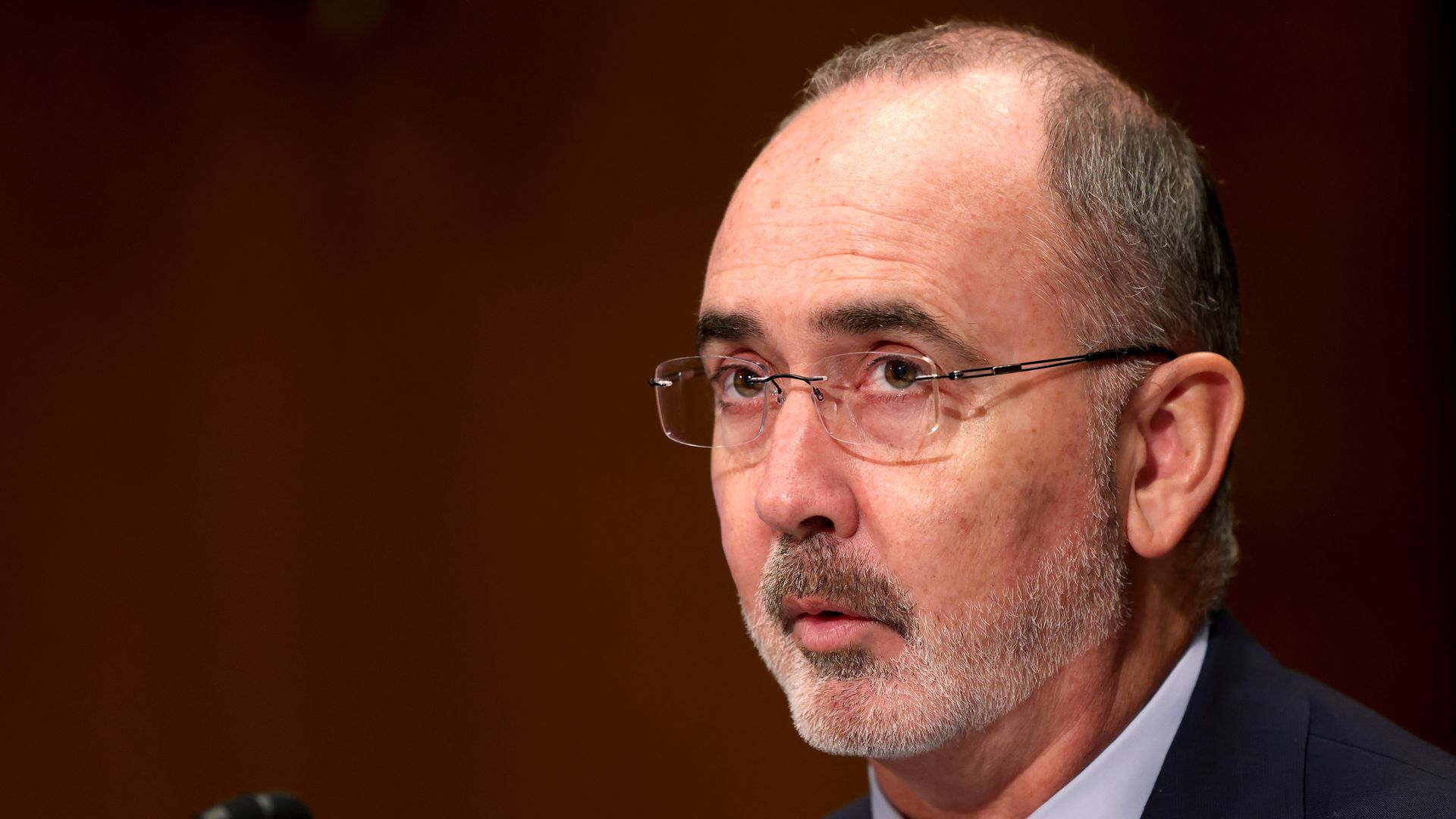
California Attorney General Rob Bonta has responded by filing notices of intent to sue, characterizing the federal actions as an infringement on the state’s sovereign authority. The California Energy Commission argues that these federal mandates threaten not only clean energy gains but also over $100 million in public investments. As the administration continues to challenge state-led decarbonization efforts, the conflict highlights a fundamental disagreement over whether the U.S. energy future should be anchored in traditional extraction or a transition to domestic renewable resources.

Comments (0)

Leave a comment

No comments yet. Be the first!