
The Rhine River, Europe’s primary corridor for coal and fuel transport, is currently too shallow to support fully loaded barges. At the Kaub gauge—the river's most restrictive bottleneck—water levels have plummeted to their lowest point for mid-July in decades. This physical constraint forces vessels to travel partially empty, driving diesel shipping costs from Rotterdam to southern Germany up by more than 50% in just one week. The economic fallout is immediate; research firm Prognos estimates the late-June heatwave alone cost the German economy roughly 6 billion euros.
European Heatwaves Trigger Energy and Logistics Bottlenecks
Persistent record temperatures across Germany and France are draining the continent’s vital river arteries, simultaneously throttling nuclear power output and crippling inland freight. As water levels at critical chokepoints hit multi-decade lows, the convergence of climate stress and volatile energy markets is pushing inflation toward a new breaking point.
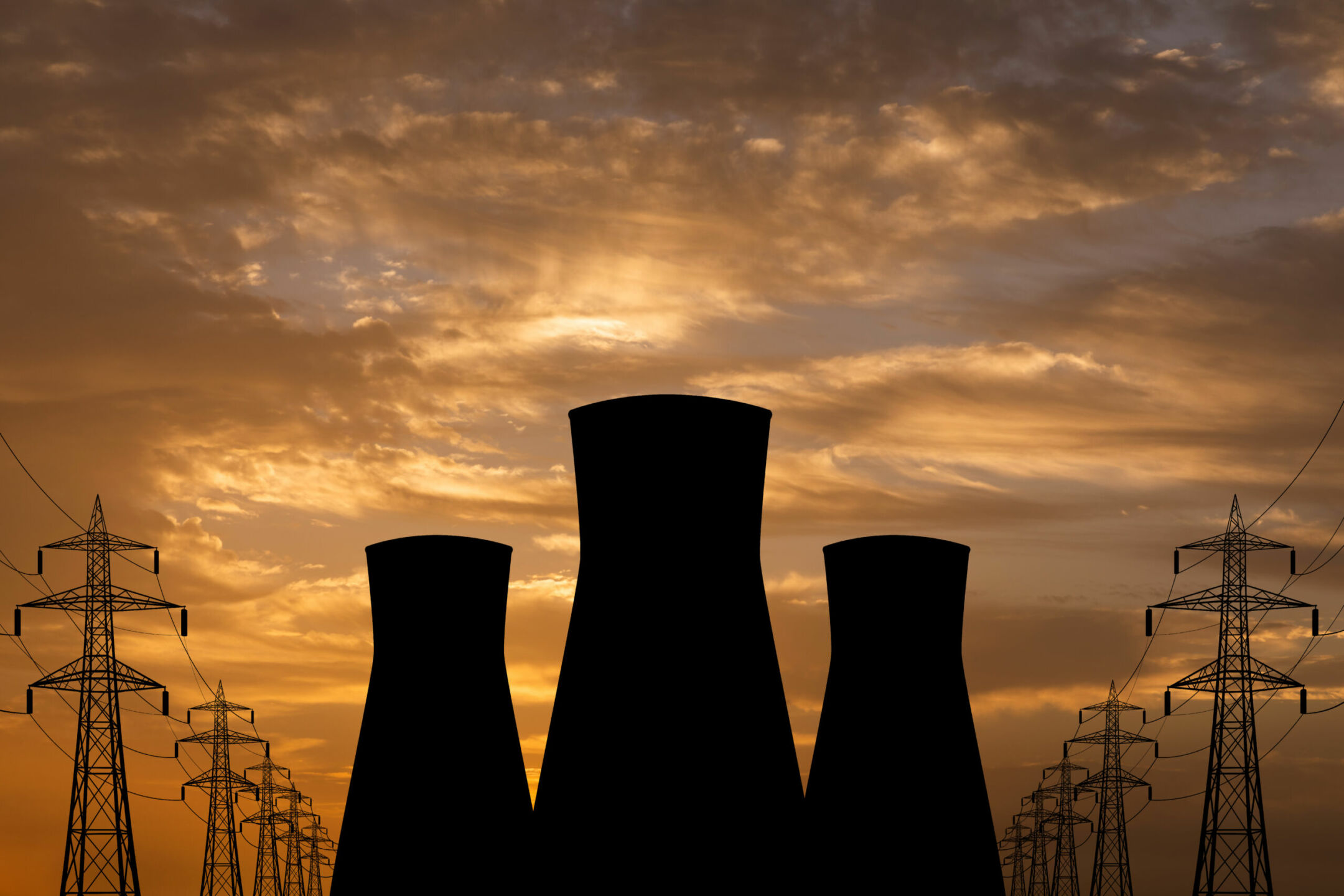
Simultaneously, France is grappling with a sharp reduction in nuclear capacity. High river temperatures have hindered the ability of plants to cool reactors, forcing a 6.4 gigawatt cut in output—roughly 14% of the nation’s total power demand. While France continues to export electricity, the frequency of these climate-driven interruptions is rising. Historically, such disruptions have had tangible macroeconomic consequences: in 2018, low water levels on the Rhine triggered a 1.5% decline in German industrial production, shaving 0.4% off the national GDP. With climate models predicting an increase in intense summer heatwaves, the potential annual economic damage to Germany could eventually exceed 20 billion euros.




Comments (0)
No comments yet. Be the first!