
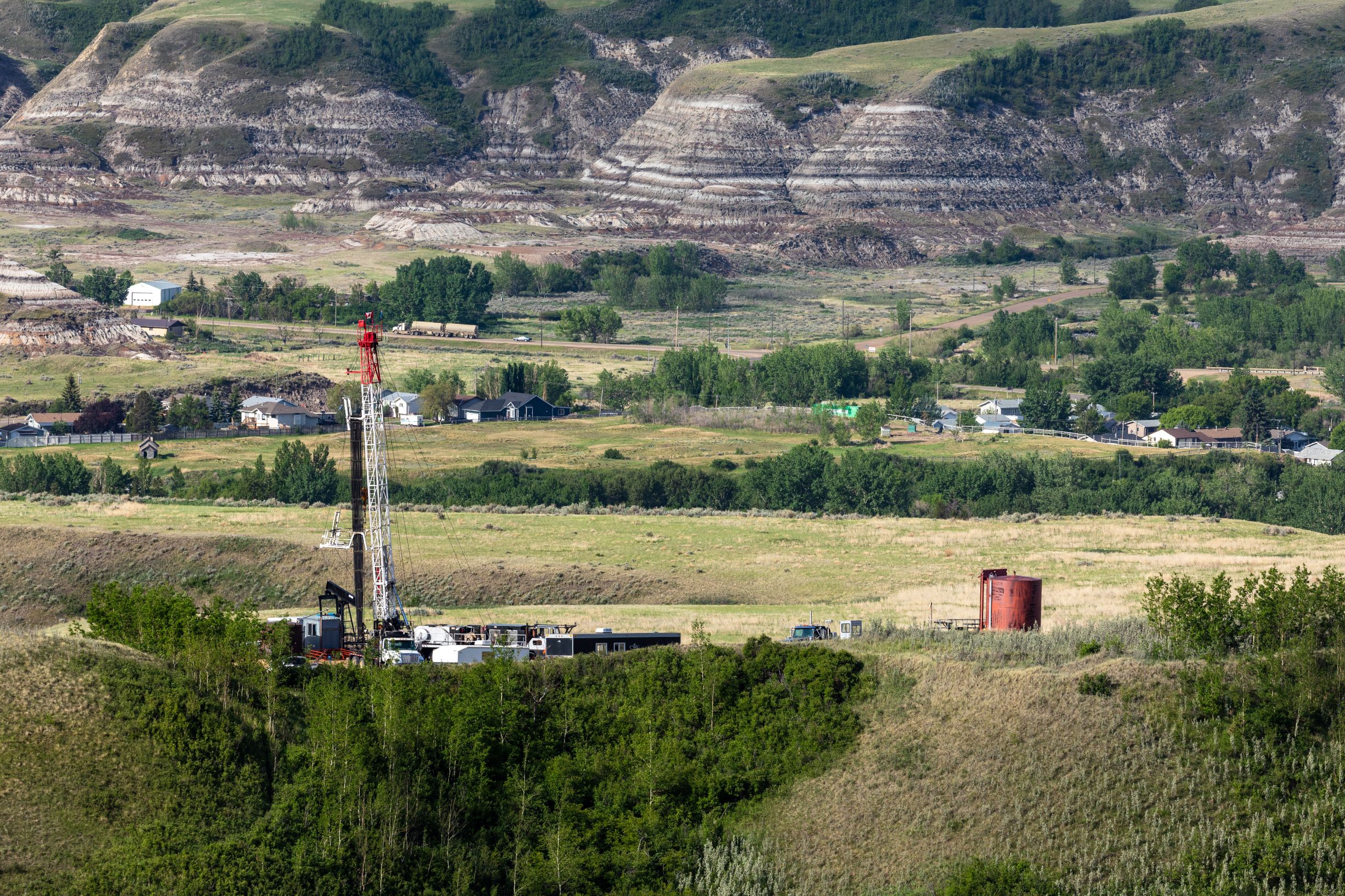
In the United States, land ownership is bifurcated into surface and mineral estates. While surface rights encompass visible assets like structures and timber, mineral rights grant control over resources deep underground. In states with deep-rooted extraction histories—such as Texas, Oklahoma, and North Dakota—these estates are often severed, meaning a ranch owner may hold no legal claim to the oil beneath their property. Because the law generally treats the mineral estate as dominant, leaseholders can access the surface to extract resources, provided they negotiate basic compensation for damages.
The Hidden Value of Mineral Rights: A Guide for Owners
Millions of Americans unknowingly hold mineral rights, a high-stakes asset that often sits buried in family archives or neglected after land purchases. Whether tied to oil, gas, or coal, these rights function as a separate estate from the surface land, frequently severed and sold off by previous generations or distant investors.

Ownership often enters a family through inheritance or forgotten deeds, creating a complex trail that requires professional title searches to verify. For those looking to lease or sell, the process is fraught with pitfalls. Operators typically propose standard terms that favor their interests, often omitting vital protections like a Pugh clause, which prevents an operator from holding vast tracts of land hostage with a single, isolated well. Before signing any contract or accepting a buyout offer, owners must treat unsolicited mail with extreme skepticism and secure competing bids to establish true market value. Because mineral rights are not traded on public exchanges, the absence of a transparent ticker price makes independent research and legal counsel essential to avoiding predatory tactics.



Comments (0)
No comments yet. Be the first!