
HomeEnergyHormuz Closure Forces Africa to Rethink Energy Reliance
Energy

Hormuz Closure Forces Africa to Rethink Energy Reliance

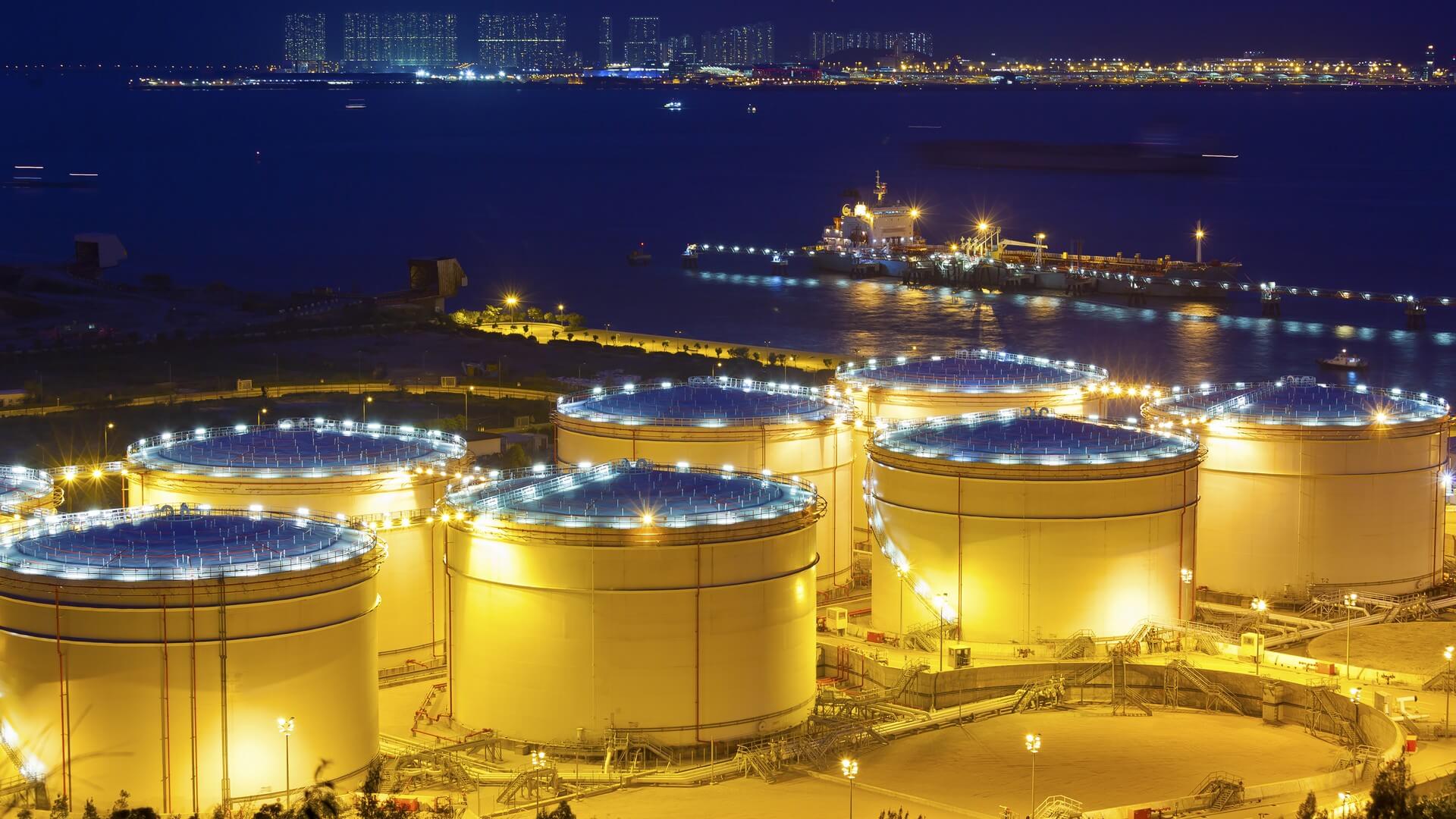
The blockade of the Strait of Hormuz—a vital artery for 20 percent of global oil—has triggered a severe energy crisis across Africa, exposing the continent's fragile dependence on Iranian and Chinese supply chains while intensifying the urgency for domestic refining and renewable energy expansion.

Hormuz Closure Forces Africa to Rethink Energy Reliance

The ongoing conflict involving U.S. and Israeli forces has effectively shuttered the Strait of Hormuz, leaving nations that rely on these transit routes scrambling for fuel. For African states, the disruption highlights a structural weakness: despite possessing significant natural resources, the continent frequently exports raw crude only to import expensive refined products. This cycle of dependency has forced governments to confront the reality that their economic stability is tethered to volatile Persian Gulf geopolitics.

Analysts note that the current shortages serve as a catalyst for shifting alliances. While Russia and Turkey are moving to fill the vacuum through defense and diplomatic overtures, the long-term solution remains internal. Aaliyah Vayez, a South Africa-based international relations expert, argues that the crisis is a wake-up call to strengthen domestic capacity and diversify energy partnerships. Building local refining infrastructure in hubs like Nigeria and Angola could insulate the continent from foreign supply shocks.
Beyond fossil fuels, the continent sits on 60 percent of the world’s best solar resources, alongside vast potential for wind and geothermal energy. With gas providing 43 percent of Africa’s electricity in 2024, the spike in global fossil fuel prices has directly inflated the cost of living. Transitioning toward these internal renewable sources, supported by European investment in green energy corridors, offers a viable path toward autonomy. Harnessing even a quarter of this renewable potential could dismantle the current reliance on Middle Eastern and Asian energy imports, securing a more stable and self-sufficient future.

Comments (0)

Leave a comment

No comments yet. Be the first!