
The policy hinges on strict demographic and socioeconomic thresholds, including employment rates and criminal records. However, the designation relies heavily on a specific ethnic criterion: only neighborhoods where at least half the residents are of non-Western origin qualify. For residents like Majken Felle, a 52-year-old teacher and member of the Residents’ Association, the classification feels predetermined.
Copenhagen's Mjølnerparken and the Fight Against the Ghetto Law
Construction hoardings and machinery define the landscape of Copenhagen’s Mjølnerparken, but the real upheaval is legislative. Since 2018, this Nørrebro estate has served as the frontline for Denmark’s controversial 'Ghetto Law,' a policy aimed at dismantling parallel societies by targeting areas with high populations of non-Western immigrants.
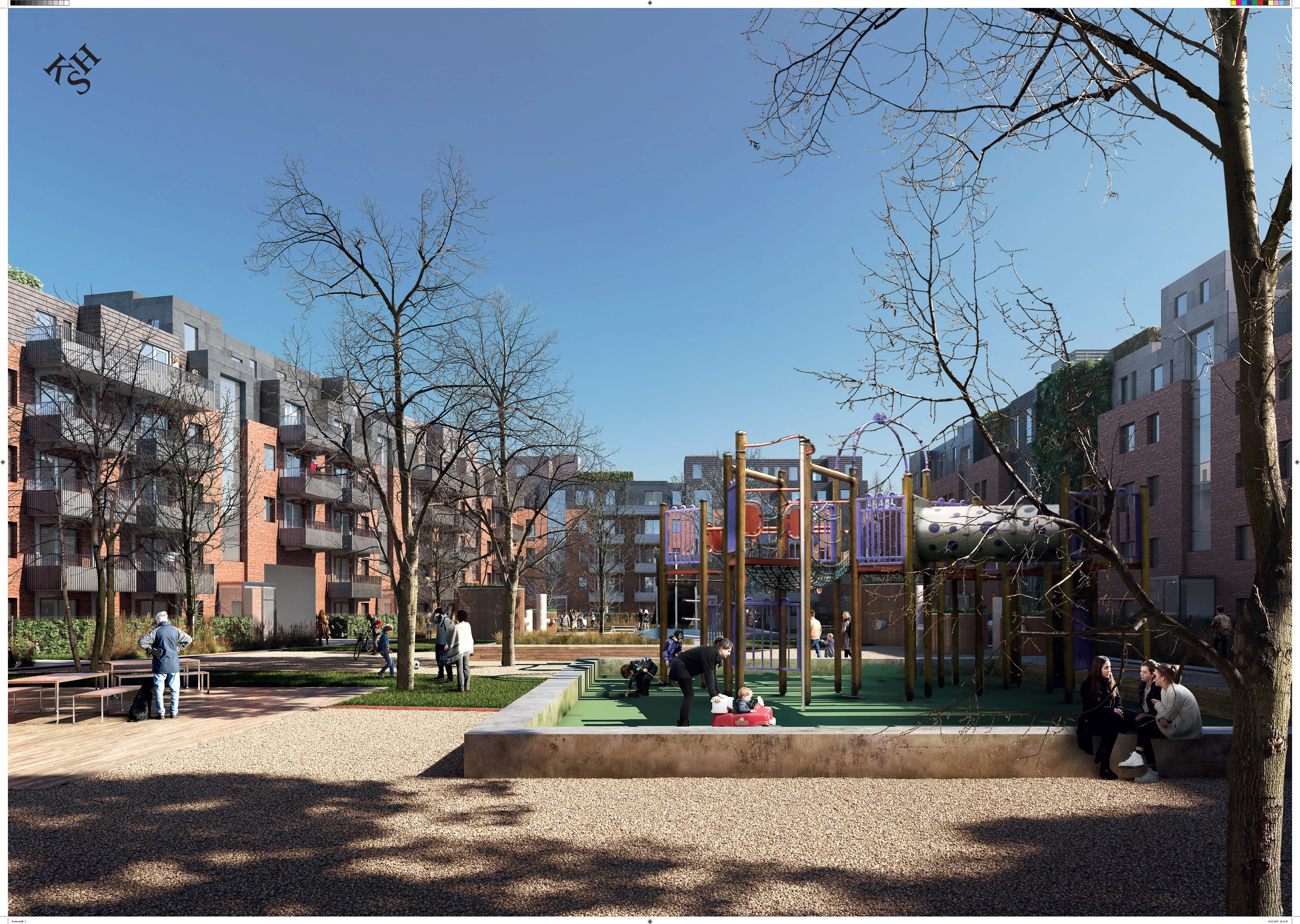
While other estates were granted time to improve their statistics and exit the list, Mjølnerparken faced an immediate mandate to reduce its social housing footprint. Because the legislation was applied retroactively, the estate’s red-brick blocks were marked for transformation the moment the law passed. The result is a community caught between a government-mandated physical overhaul and the struggle to preserve its social fabric against a label that residents argue ignores their efforts to integrate.




Comments (0)
No comments yet. Be the first!