
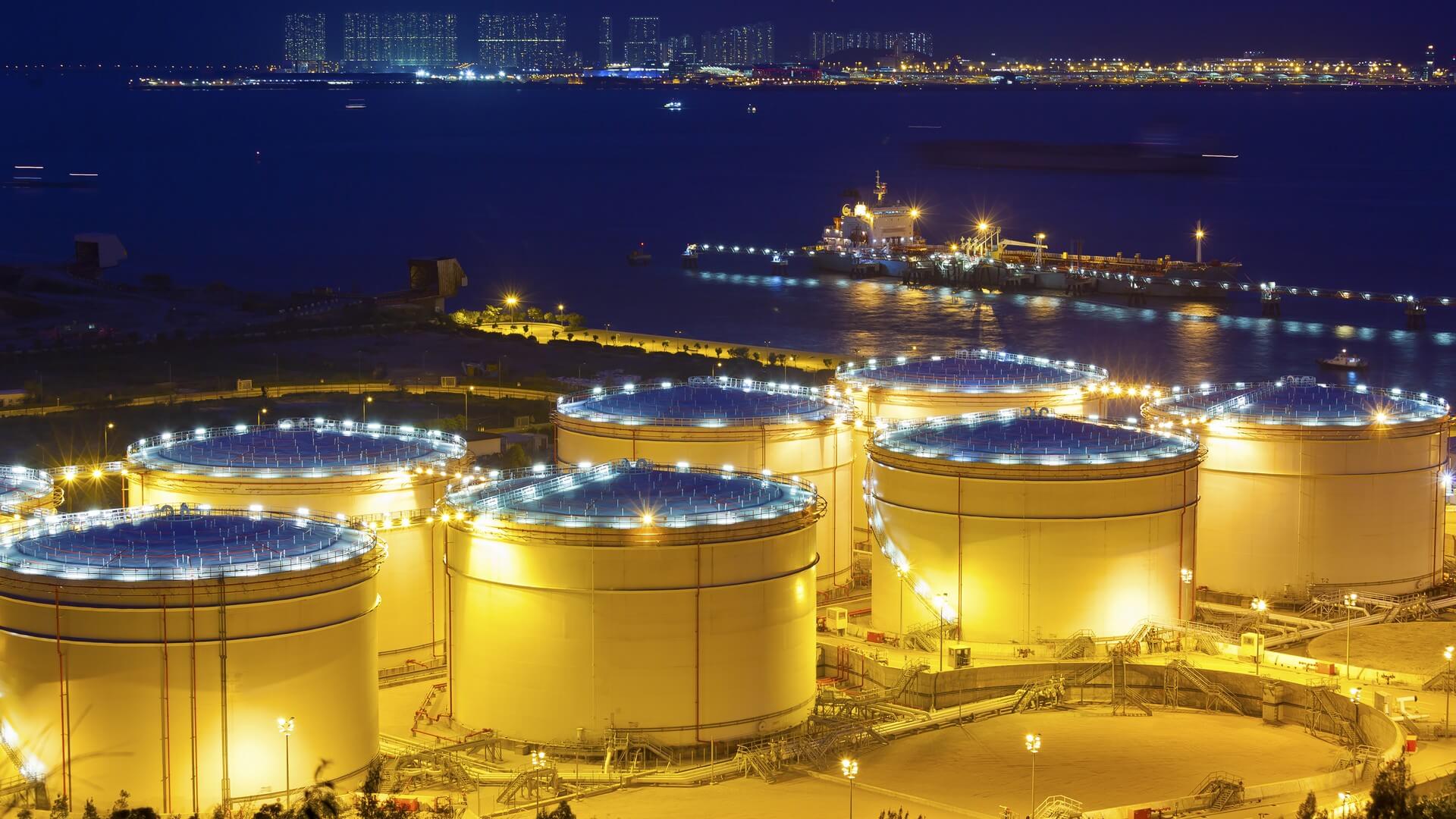
Complacency regarding a U.S.-Iran memorandum of understanding has evaporated, replaced by the reality of halted tanker traffic and a collapsed supply chain. During the first half of the year, global energy markets staved off disaster through massive releases from strategic stockpiles and reduced consumption in Asia. Those defenses are now largely exhausted.
The U.S. Strategic Petroleum Reserve has been drawn down to 316.5 million barrels, its lowest level since 1983. Meanwhile, China—previously a massive importer—has slashed its intake to levels not seen since 2018, forced to tap into its own internal reserves to compensate for regional instability. International Monetary Fund analysts estimate that a market deficit of roughly 4.0 million barrels per day was covered by inventory drawdowns between March and May. With that capacity depleted and spare production limited, the market possesses no cushion for further escalations.

Comments (0)
No comments yet. Be the first!