
The Bhabha Atomic Research Centre is currently spearheading the development of three distinct units, including a 220-MW Bharat Small Modular Reactor and a specialized high-temperature gas-cooled reactor intended for hydrogen production. These efforts align with a broader national roadmap targeting a capacity increase from the current 8.78 gigawatts to 22 gigawatts by the 2031-32 fiscal year. Long-term projections are even more ambitious, with the government eyeing 100 gigawatts of nuclear power by 2047.
India Plans Domestic SMR Fleet to Fuel Nuclear Expansion
India aims to deploy five domestically developed small modular reactors by 2033, marking a shift in its energy strategy. Atomic Energy Minister Jitendra Singh confirmed the move, positioning these reactors as a cornerstone of the nation’s effort to scale its nuclear capacity while opening the sector to private investment.
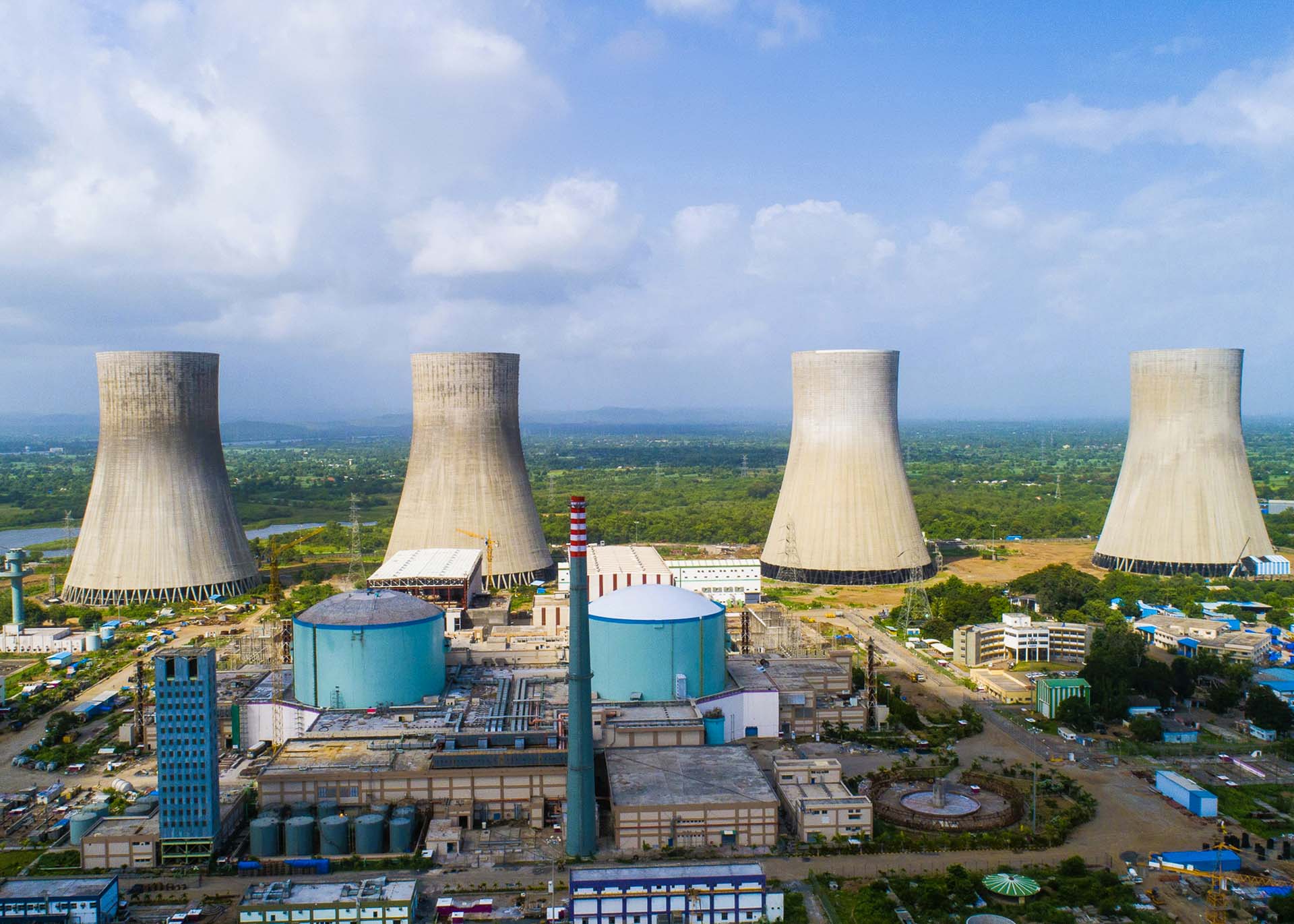
Achieving this decade-long expansion requires approximately 19.28 trillion rupees—roughly $200 billion—in capital. To bridge this funding gap, the government recently passed the SHANTI Act, which permits private firms to enter the nuclear market for the first time. While state-owned NTPC Ltd remains a central player, expected to contribute 30% of new capacity, the utility is already moving to secure international uranium assets to fuel this surge in production.



Comments (0)
No comments yet. Be the first!