
The agency’s decision follows persistent safety concerns regarding vehicles like the Tesla Model 3, where occupants have reported being unable to open doors after electrical failures. While Tesla includes manual releases, investigators discovered these mechanisms often fail if the vehicle’s battery system loses voltage during a crash or power loss. By choosing rulemaking over a targeted defect investigation, the NHTSA aims to establish design requirements that will apply to all automakers, not just a single manufacturer.
US Regulators Propose Safety Mandates for Electronic Door Handles
Trapped occupants in vehicles with flush, electronic door handles have prompted the National Highway Traffic Safety Administration to initiate a formal rulemaking process. Federal regulators are shifting away from isolated defect investigations toward universal safety standards to ensure that all passengers can reliably exit their cars in an emergency.
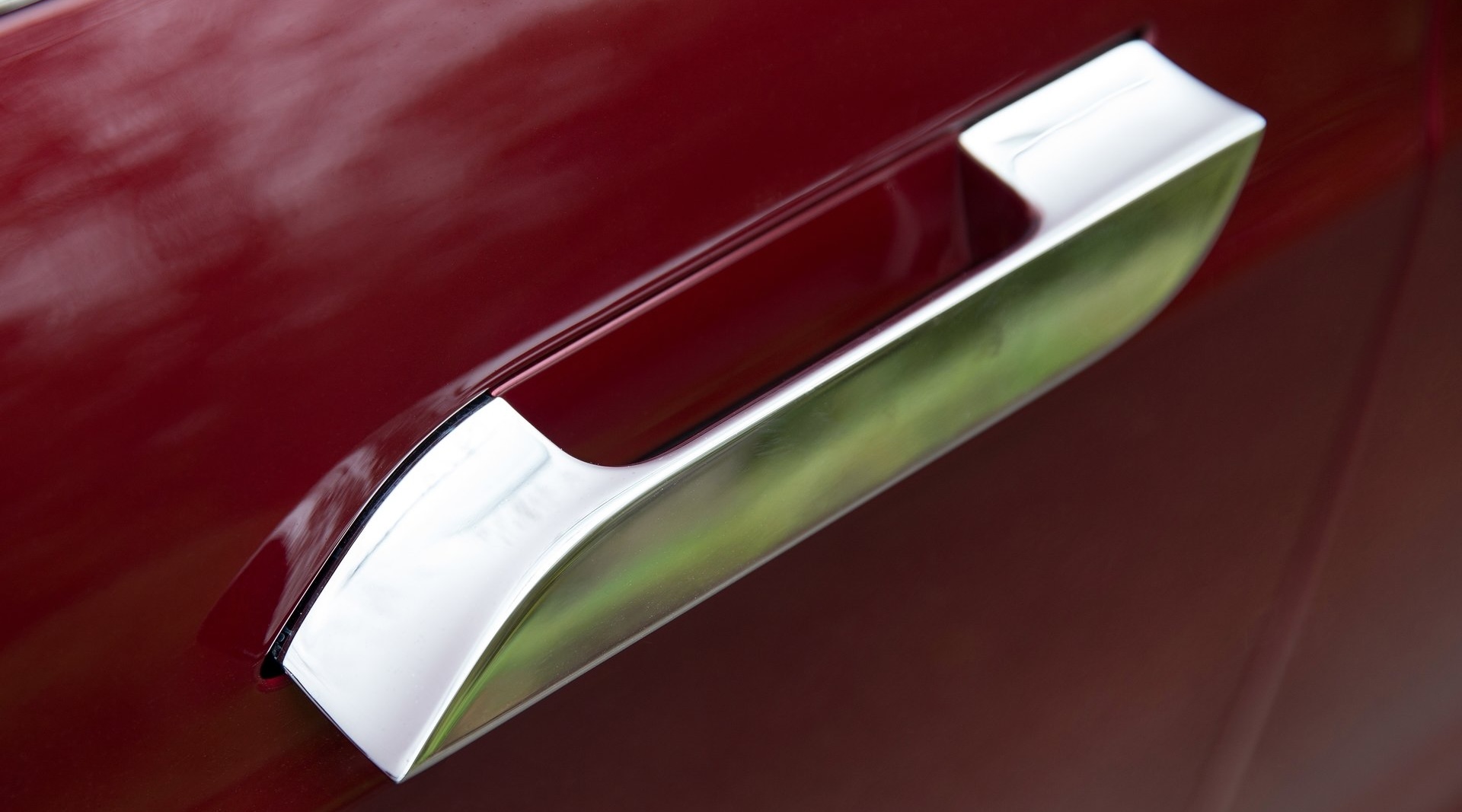
This regulatory pivot arrives after multiple reports of drivers and children becoming locked inside vehicles. While Tesla designer Franz von Holzhausen previously indicated the company is working on a handle redesign, other manufacturers are also adjusting their approach; for instance, Rivian is modifying its R2 SUV to place manual releases in more visible, accessible locations. Although the NHTSA has officially commenced the process, the agency cautioned that the development of final, enforceable standards remains a lengthy procedure that does not guarantee immediate implementation.



Comments (0)
No comments yet. Be the first!