
Following 12 consecutive nights of U.S. strikes on Iranian command and nuclear-linked facilities, Tehran has retaliated by hitting American communications and defense installations. Personnel casualties have been reported in Jordan, Kuwait, Iraq, and Saudi Arabia. Beyond direct military confrontation, Iran maintains a blockade over the Strait of Hormuz, threatening global oil and petrochemical exports while intercepting unauthorized tankers.
Middle East Conflict Escalates as Oil Corridors Face Direct Threats
Iranian forces have launched a coordinated campaign against U.S. military infrastructure across Bahrain, Kuwait, and Jordan, targeting radar and aviation assets linked to the Fifth Fleet and key regional bases. This shift marks a dangerous expansion in hostilities, as Tehran simultaneously moves to tighten its grip on critical energy shipping routes.
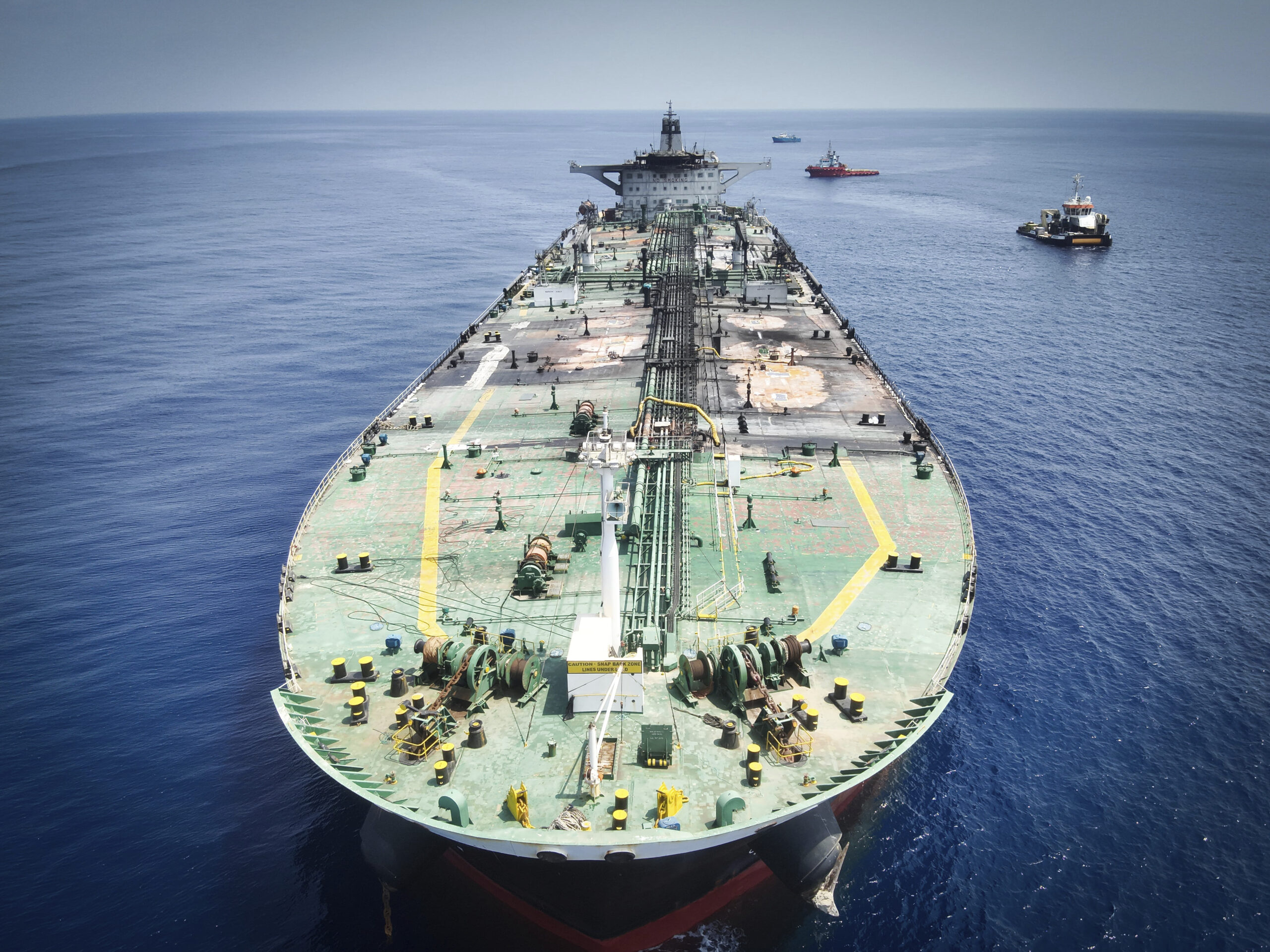
The volatility has spread to the Red Sea, where Houthi militants have targeted Saudi tankers Encelia and Layla. This blockade of the Bab el-Mandeb Strait strikes at Saudi Arabia’s primary alternative for oil transport, as the kingdom attempts to bypass the Hormuz closure by rerouting millions of barrels daily to the port of Yanbu. With Washington expanding its bombing campaign and naval presence, the regional energy supply chain faces its most precarious position in years.


Comments (0)
No comments yet. Be the first!