
The collapse of the U.S.-Iran memorandum of understanding has reignited a crude price rally, abruptly ending a brief period of market stability. For major carriers, the impact on the bottom line is immediate and severe. Southwest Airlines reported a $900 million year-over-year jump in fuel expenses, forcing the company to lower its full-year adjusted earnings per share guidance to a range of $3.25 to $4.25.
Middle East Conflict Forces U.S. Airlines to Slash Earnings Outlook
Brent crude prices surging past $100 per barrel have shattered hopes for lower operating costs, forcing U.S. carriers to abandon earlier financial targets. As geopolitical hostilities in the Middle East tighten global fuel markets, airlines are grappling with billions in added expenses that threaten to keep airfares at record highs.
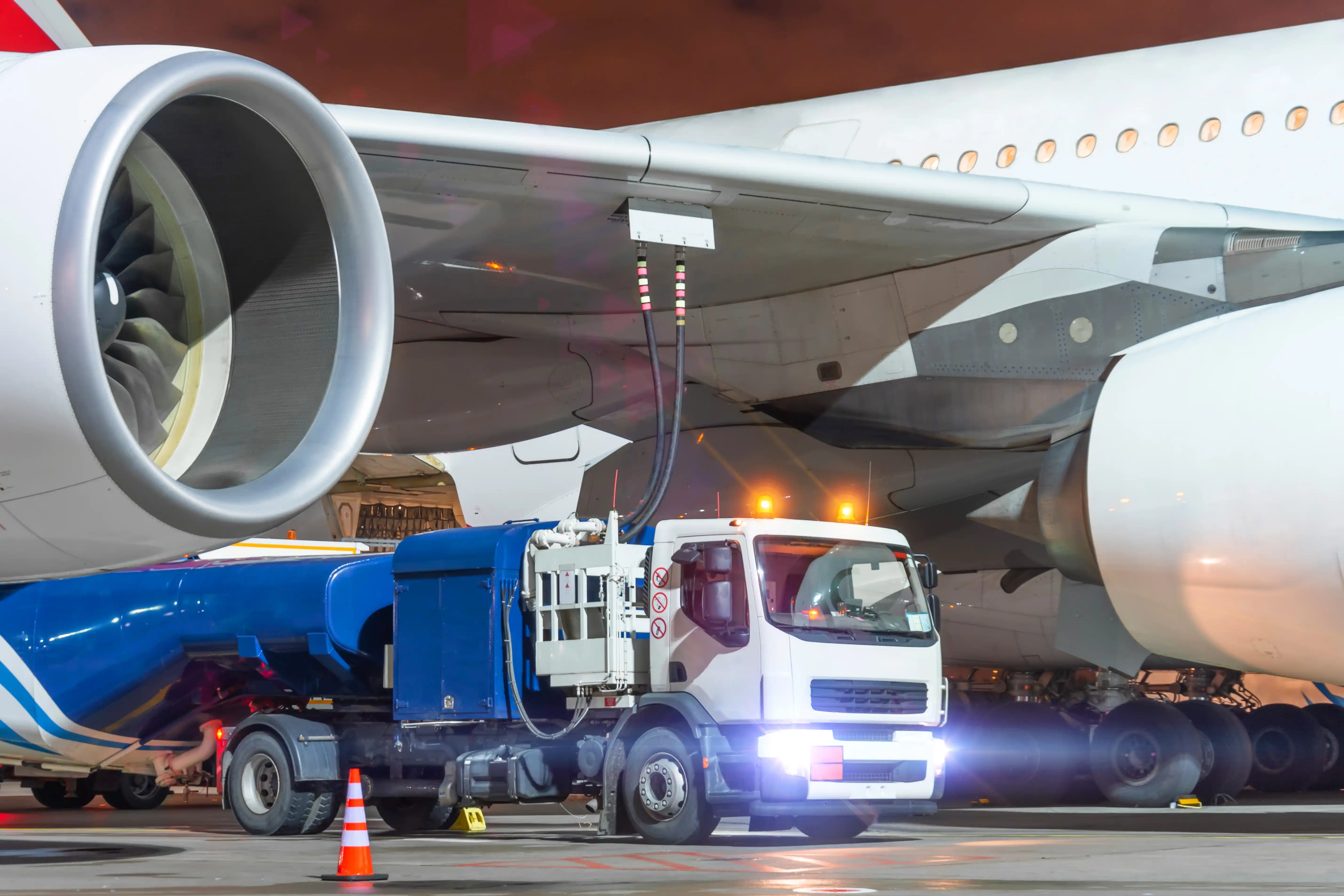
American Airlines faces an even steeper climb, noting that fuel costs surged 83% from a year earlier. Despite achieving record quarterly revenue of $16.7 billion, the carrier now anticipates a full-year result ranging from a $0.65 loss to a $0.65 gain per share. United Airlines has projected nearly $6 billion in additional fuel costs for 2026, prompting the company to secure $3.7 billion in new liquidity to hedge against further geopolitical volatility. These rising costs, coupled with constrained supply chains near the Strait of Hormuz, suggest that the era of expensive air travel is unlikely to subside in the near term.




Comments (0)
No comments yet. Be the first!