
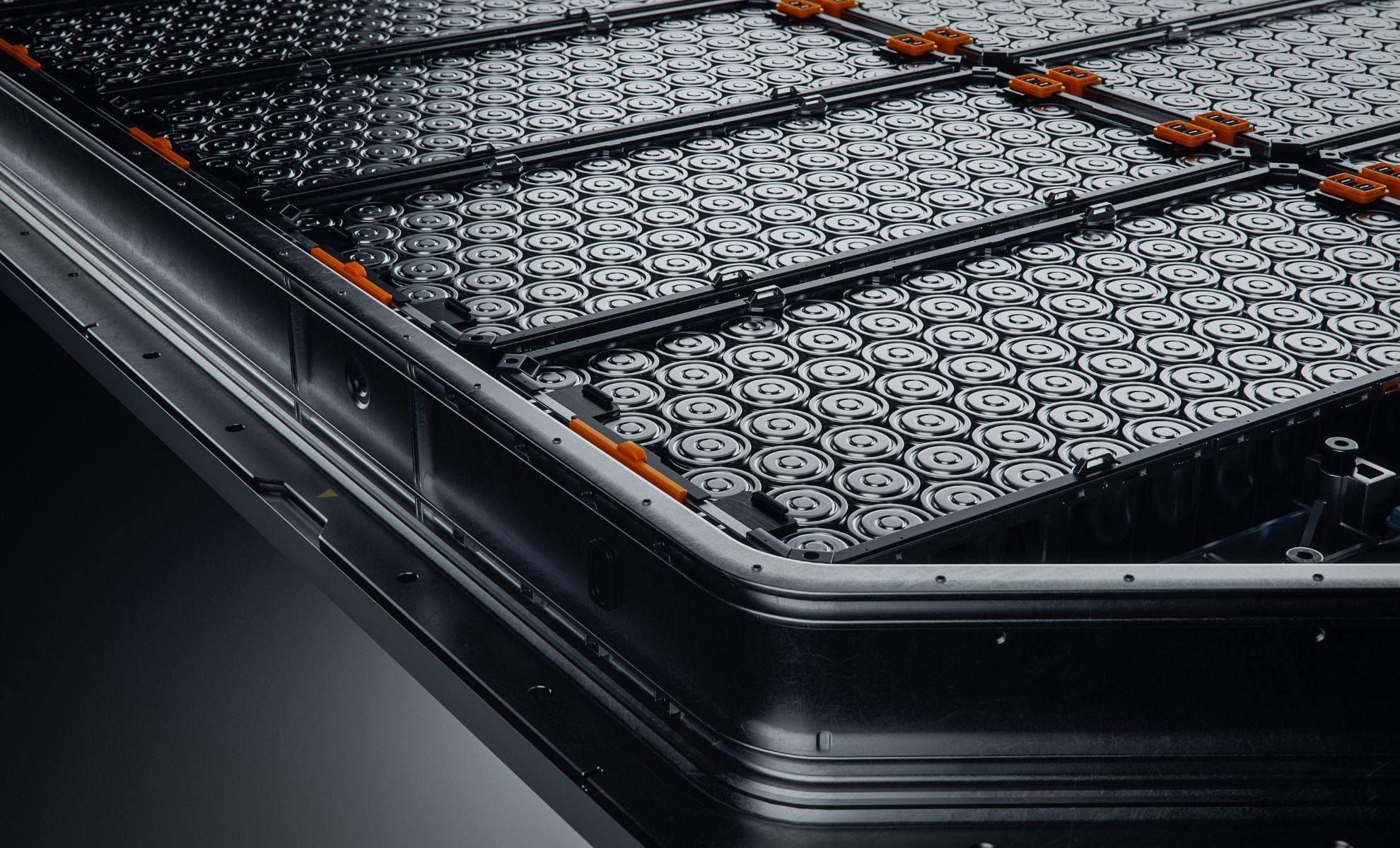
For decades, critics of electrification pointed to a looming environmental crisis: what happens when millions of battery packs reach their end? The assumption was that these components would become waste, replacing fossil fuel dependency with a mountain of toxic debris. Current industry trends tell a different story. Unlike internal combustion engines, which deteriorate alongside the vehicle, lithium-ion batteries retain significant capacity long after they fail to meet automotive range requirements.
In China, where the average EV is only 1.8 years old, fierce competition between manufacturers like BYD and Tesla has driven used vehicle prices down to 40% of their original value within three years. Yet, this depreciation exposes a flaw in how we value assets. A battery at 80% health may be insufficient for a high-performance car, but it remains a potent tool for grid stabilization, home energy storage, or renewable energy integration. As Hans Eric Melin of Circular Energy Storage Research and Consulting notes, these packs are increasingly viewed as assets that generate value through a cascade of secondary lives—refurbishment, repurposing, and finally, material recovery.




Comments (0)
No comments yet. Be the first!