
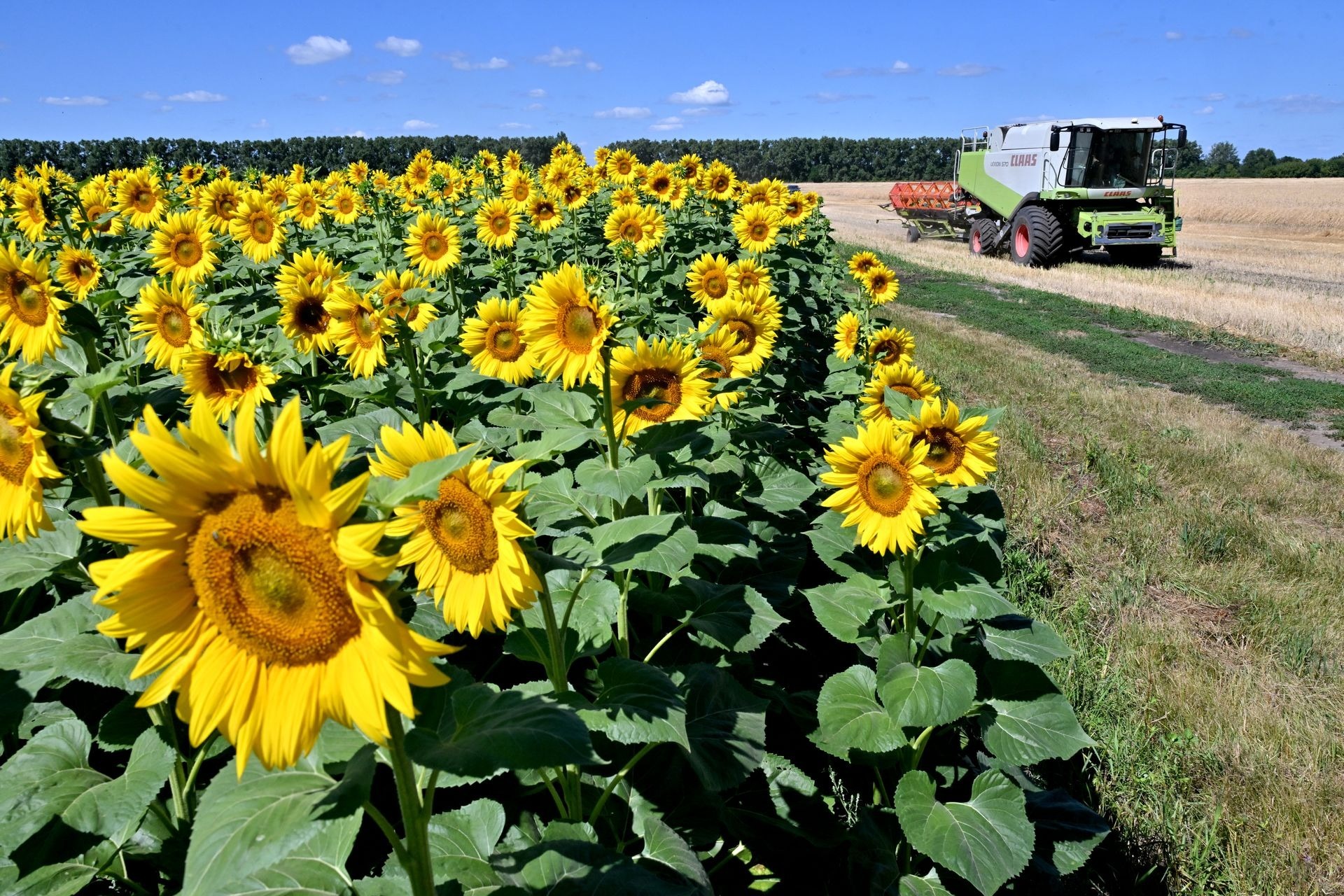
The scale of Ukrainian agriculture is unmatched in the bloc. While France maintains 17 million hectares of arable land, Ukraine’s 26 million hectares currently under cultivation would instantly make it the EU’s dominant producer of cereals, rapeseed, sunflower, and soybeans. This massive output, fueled by exceptionally fertile chernozem soil with humus layers reaching one meter, creates a significant geopolitical and economic dilemma for Brussels. Researchers from SciencesPo warn that the agricultural chapter is the most complex hurdle in the accession process, as current EU frameworks are not equipped to accommodate such a large, distinct model of production.
Historical precedents offer little comfort to current stakeholders. While the 1986 expansion of Spain and Portugal and the 2004–2007 integration of Central Europe required significant adjustments, the Ukrainian case presents unique challenges. Unlike the transition of Poland, Ukraine operates under land ownership and business structures inherited from the Soviet era that remain external to the EU system. Experts like Yves Le Morvan of the Agrillées think tank emphasize that integrating these logistics and supply chains will necessitate more than just minor policy tweaks.


Comments (0)
No comments yet. Be the first!