
Oman, positioned directly across the narrow waterway from Iran, sought to implement a collaborative management model similar to the Strait of Malacca, where voluntary fees from shipping companies fund environmental protection and navigation safety. A senior Iranian official dismissed the proposal as an unrealistic scheme backed by the United States and Saudi Arabia to undermine Tehran’s regional influence.
Iran Rejects Omani Proposal for Shared Control of Hormuz Strait
Tehran has formally rebuffed an Omani initiative to evenly divide maritime traffic management in the Strait of Hormuz, asserting its intent to maintain dominant oversight of the world’s most critical oil chokepoint as regional tensions flare and tanker strikes resume.
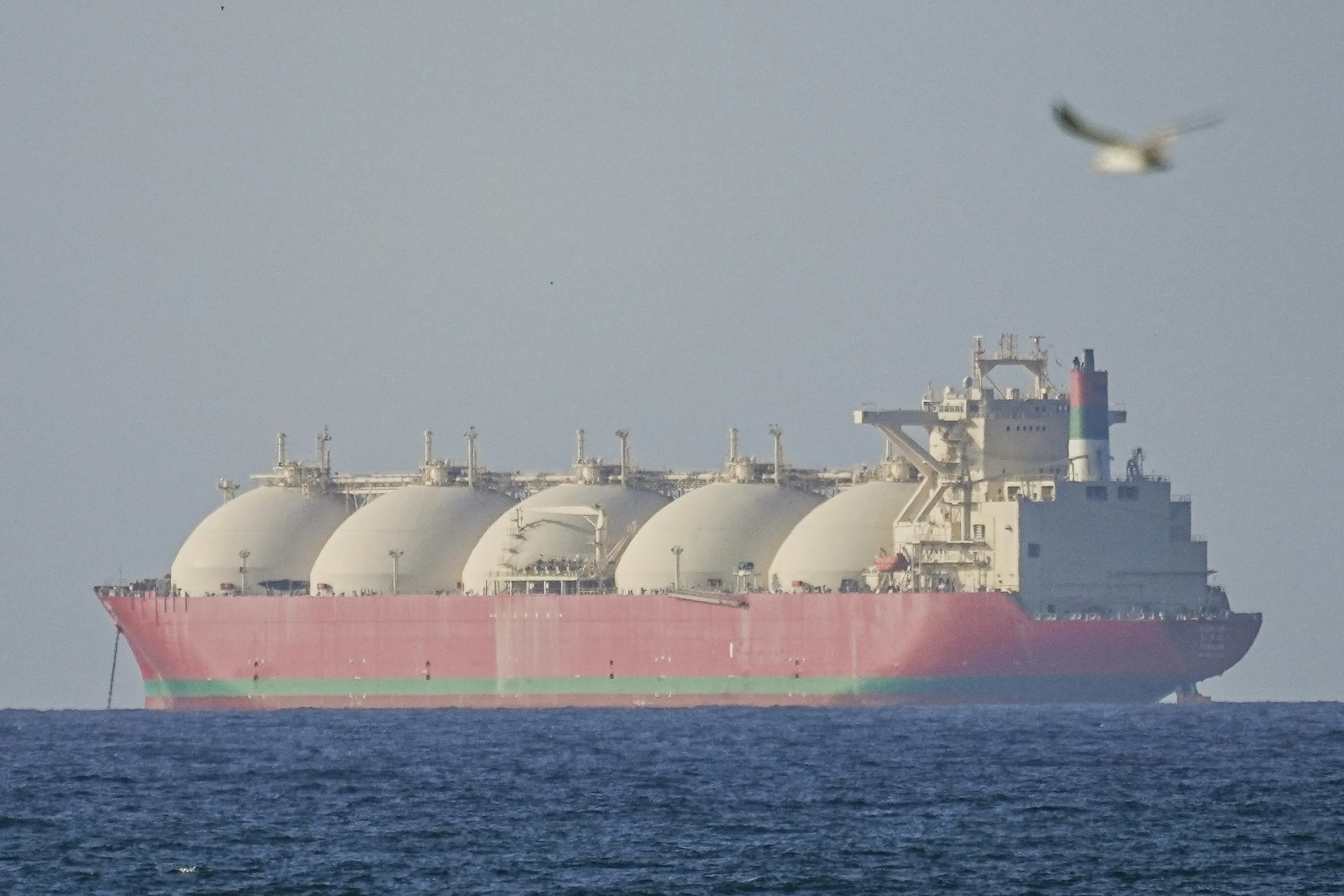
Tehran continues to demand control over all inbound traffic to the Persian Gulf, alongside a significant portion of outbound lanes. This refusal coincides with renewed volatility in global energy markets after the Islamic Revolutionary Guard Corps claimed responsibility for intercepting three oil tankers on Wednesday. The IRGC navy cited "unsafe and illegal" routing as the justification for the seizures, warning that any external intervention by U.S. forces will be met with direct retaliation. The breakdown of diplomatic overtures underscores the hardening stance of Iranian leadership, which views shared maritime jurisdiction as contrary to its national security interests.




Comments (0)
No comments yet. Be the first!