
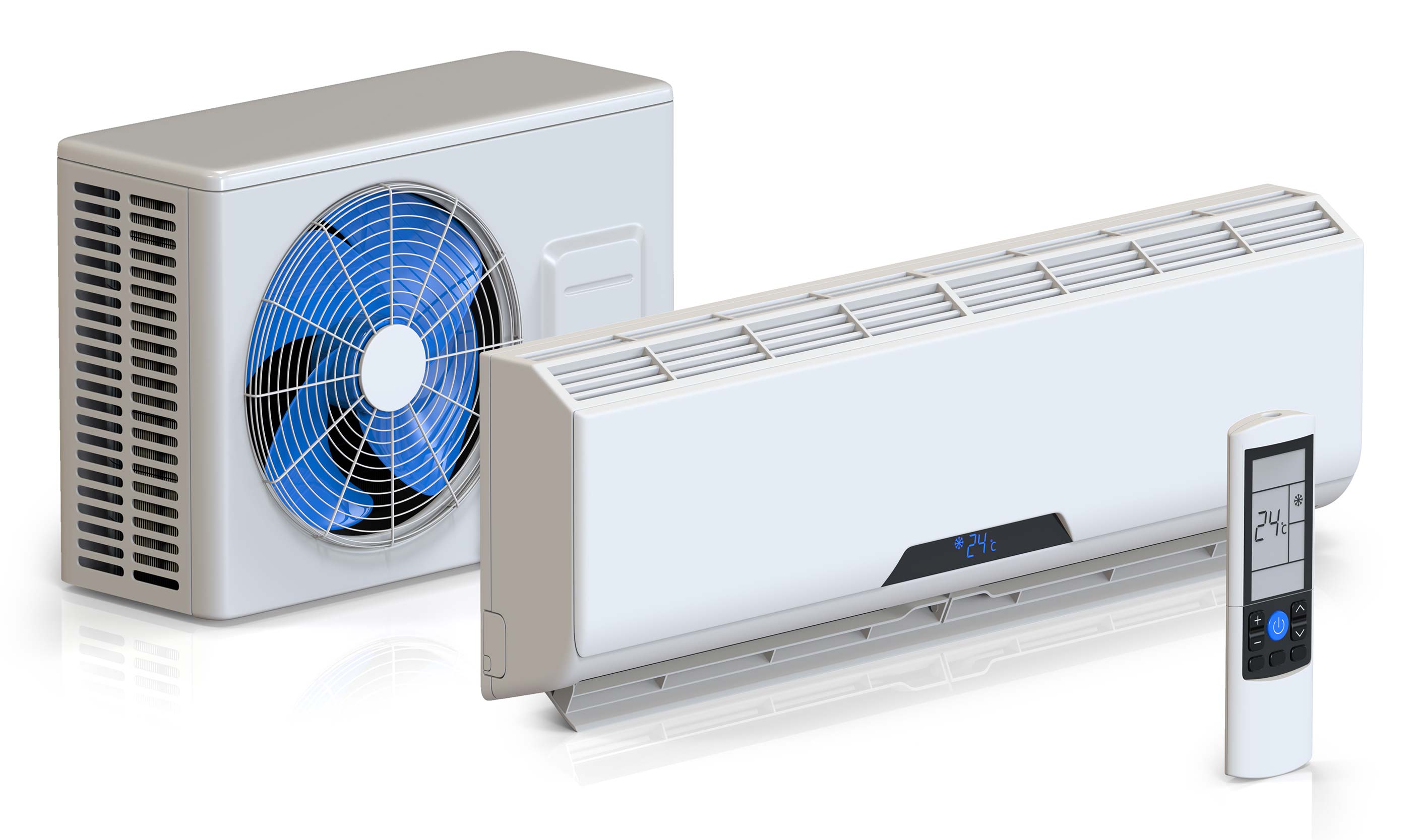
Between 2000 and 2019, heat-related events claimed nearly half a million lives annually, making cooling a vital public health intervention. Despite preventing an estimated 190,000 deaths each year, the reliance on mechanical units places immense strain on electrical grids. Mat Santamouris, Professor of High Performance Architecture at UNSW Sydney, warns that societies cannot simply air-condition their way out of climate change. Over-reliance on these systems increases urban heat islands and creates a systemic dependency that exacerbates the very warming it attempts to mitigate.
This reliance also exposes deep climate injustices. While 80 percent of the global population resides in regions requiring cooling, only 40 percent have access to it. The divide is sharpest in the world’s poorest nations, where infrastructure often cannot support widespread adoption. Households in these regions frequently rely on inefficient, low-cost units that consume excessive electricity. Data shows the poorest consumers spend up to 8 percent of their income on cooling, compared to a global average of 0.2 to 2.5 percent in wealthier nations.




Comments (0)
No comments yet. Be the first!