
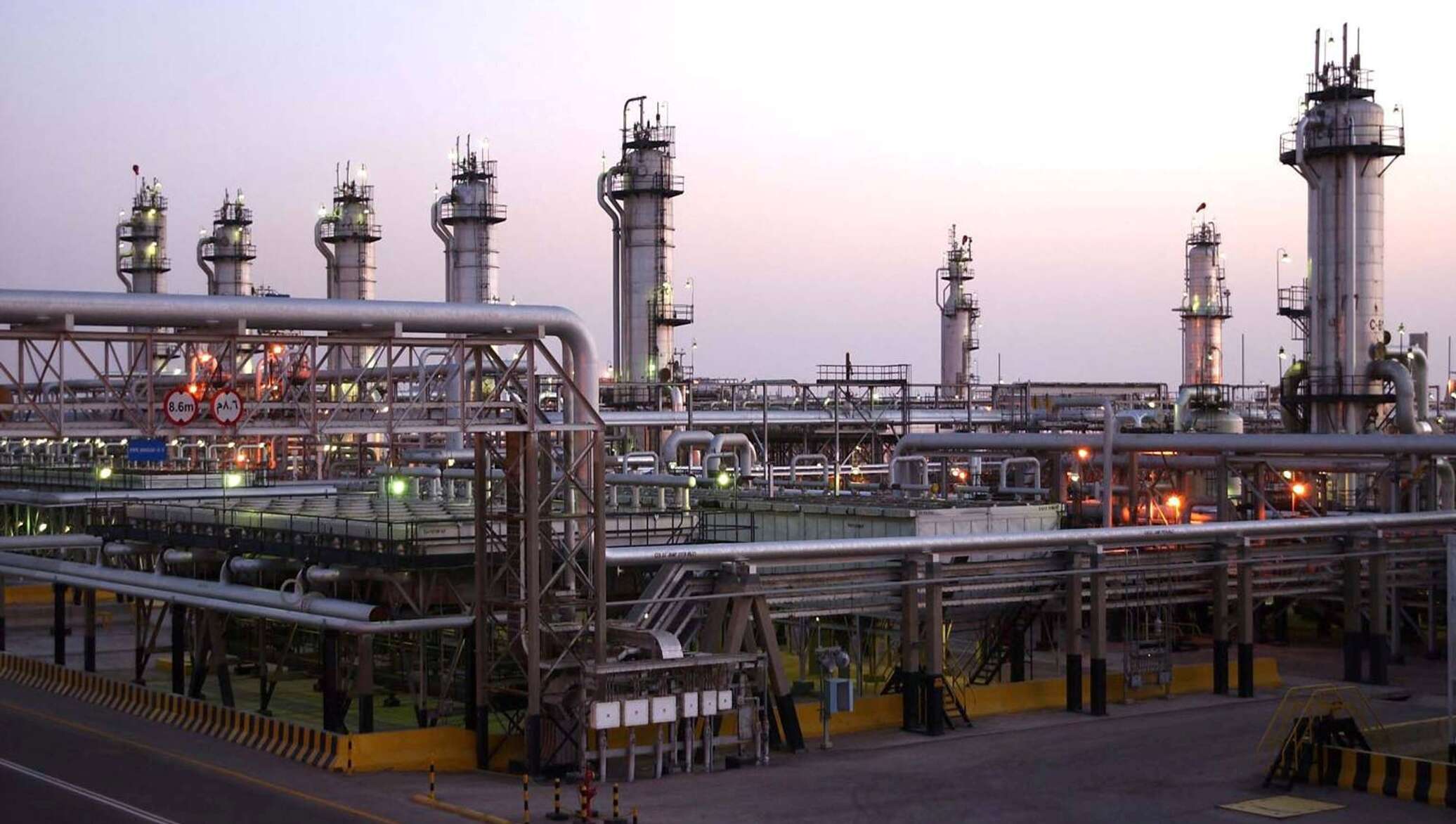
Abqaiq serves as the heart of Saudi Arabia’s hydrocarbon machine, processing over seven million barrels per day from the Ghawar, Khurais, and Shaybah fields. Unlike storage facilities that can be isolated during a crisis, processing units function as an integrated chain. Satellite imagery showing burn scars near stabilization vessels suggests the damage may be more complex than a peripheral fire, yet Saudi Aramco and the Ministry of Energy remain notably silent regarding the facility's operational status. This lack of transparency is a departure from past norms and fuels market uncertainty.
The real strategic threat lies in the degradation of Saudi redundancy. Historically, the Kingdom maintained spare processing capacity and alternative export routes, such as the East-West Pipeline to Yanbu, to ensure reliability during geopolitical shocks. However, simultaneous pressure on these nodes—including operations against Yanbu, the Jizan refinery, and maritime chokepoints—erodes the Kingdom's ability to absorb shocks. Attackers appear to have shifted tactics, moving away from seeking immediate, massive production losses that would trigger a global response. Instead, they are systematically targeting the reliability of the export chain to increase insurance costs, disrupt shipping schedules, and force repeated, costly inspections.




Comments (0)
No comments yet. Be the first!