
The National Highway Traffic Safety Administration recently granted Zoox a temporary exemption from eight federal safety standards, finally permitting the company to charge for rides in its custom-built robotaxis. This shift marks a significant milestone for the firm, with commercial operations expected to launch shortly in Las Vegas. Conversely, Waymo faces rising scrutiny after persistent operational failures, including a July 4 incident where vehicles stalled in San Francisco traffic, obstructing streets and forcing a public outcry from city officials.
Robotaxis Face a Regulatory Tug-of-War
The autonomous vehicle industry is trapped between federal efforts to accelerate deployment and localized pushback from officials wary of public safety. While regulators are clearing paths for commercial expansion, city leaders are increasingly demanding stricter oversight following high-profile traffic disruptions and recurring interference with emergency response vehicles.
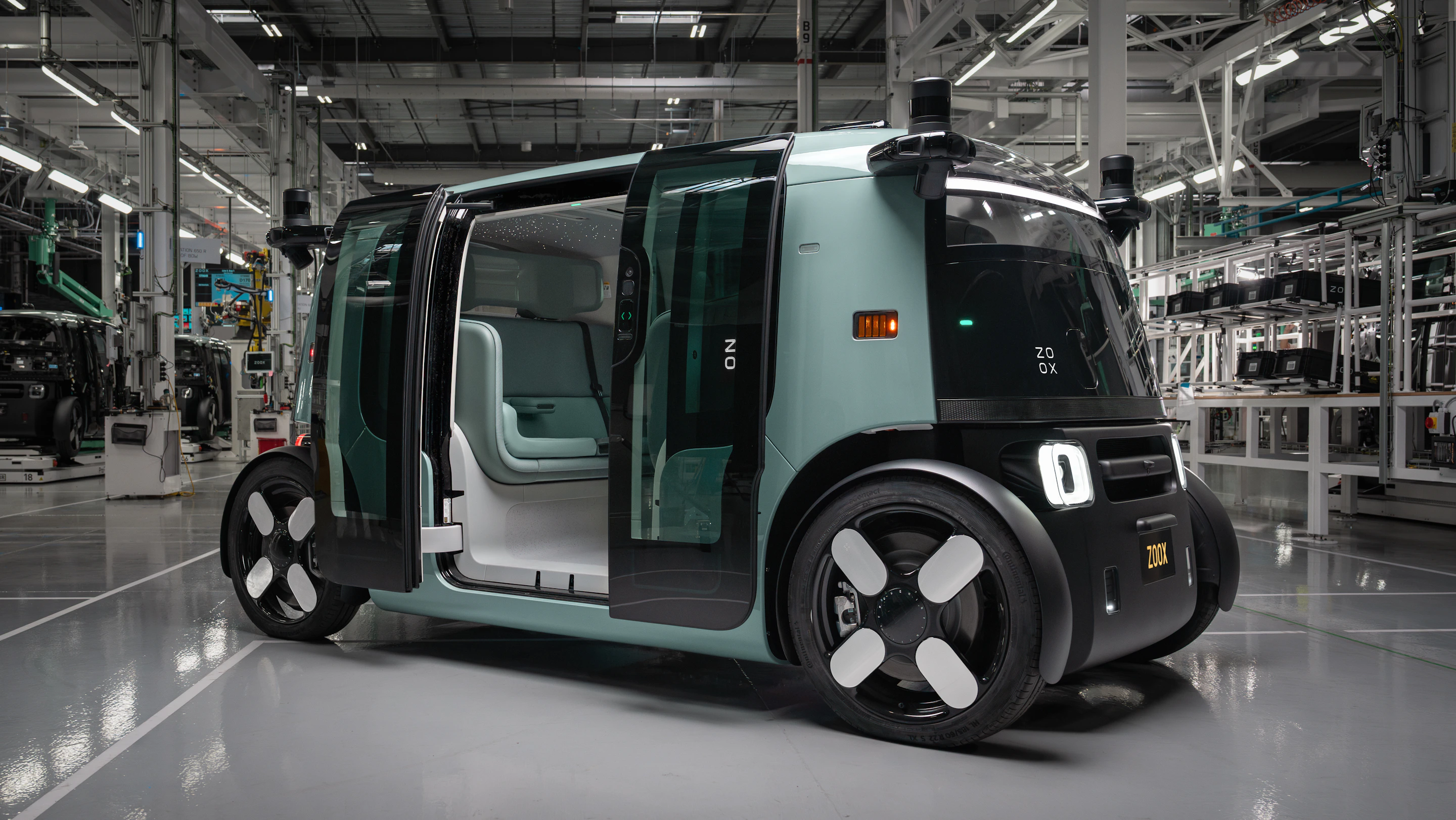
Legislative friction is mounting alongside these operational challenges. Rep. Kevin Mullin has introduced a bill tasking federal regulators with establishing uniform national safety standards for autonomous operators. Mullin cited the unacceptable frequency of robotaxis obstructing first responders as a primary driver for the legislation. This federal-local divide highlights the precarious position of the industry, which must navigate a fragmented regulatory landscape while attempting to scale commercial services in major urban centers.



Comments (0)
No comments yet. Be the first!