
The regulatory push follows an internal audit by Inpex, which exposed major calculation errors regarding volatile organic compounds, including benzene, toluene, ethylbenzene, and xylene. While the company attributed the discrepancies to unintentional estimation errors, the revised data sparked immediate public concern over potential health risks in the Darwin airshed. The NT EPA is now seeking to enforce numerical concentration limits and strict maximum mass emission rates for both facilities to ensure accountability.
Northern Territory EPA Demands Stricter Emissions Oversight for LNG Hub
The Northern Territory Environment Protection Authority has proposed 23 regulatory upgrades for Darwin’s major LNG facilities following a massive upward revision of emission estimates. Triggered by discovery of significant discrepancies in Inpex’s 2023/24 reporting, the move aims to tighten pollution controls for both the Ichthys and Darwin LNG plants.
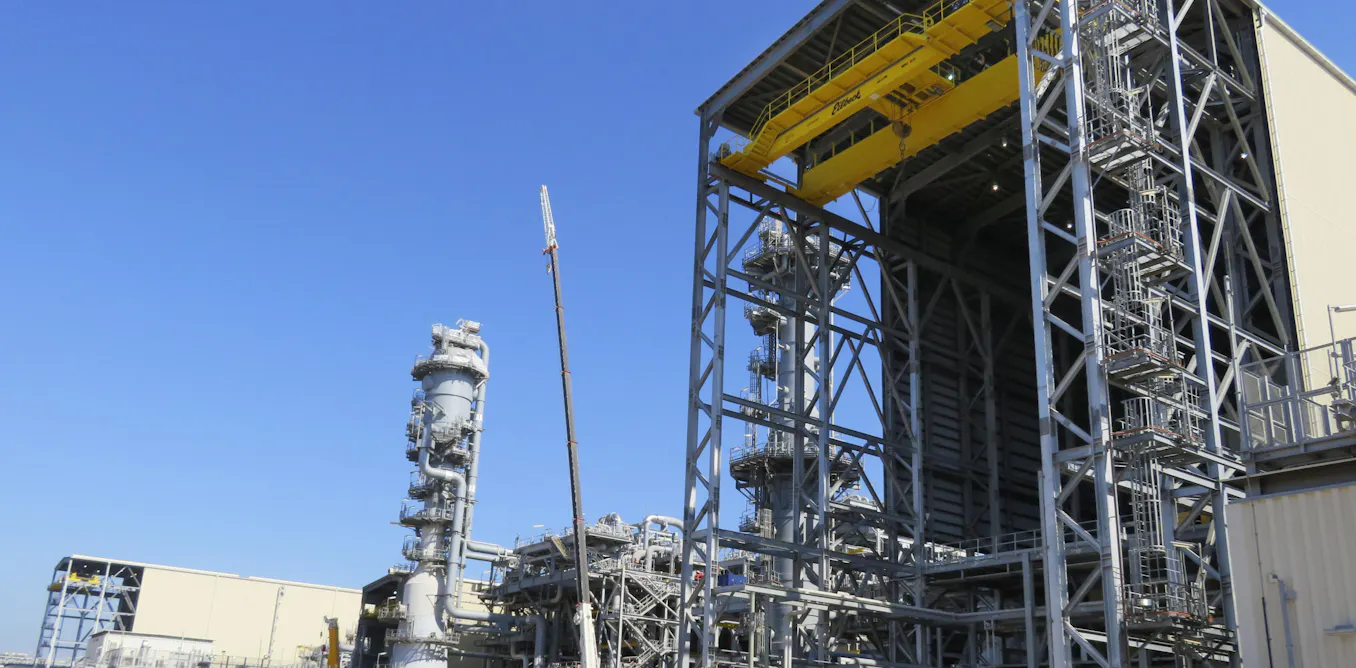
Proposed measures require the installation of real-time continuous monitoring equipment for acid gas streams at the Ichthys site, specifically targeting benzene detection. Furthermore, the agency wants to mandate regular five-year audits to verify that pollution control technologies meet current best-practice standards. These operations are critical to the energy security of Japan and Taiwan, collectively supplying roughly 10% of their annual LNG imports.



Comments (0)
No comments yet. Be the first!