
The influx of migrants into the coastal city of 83,500 residents prompted an immediate military deployment by Spanish authorities. Swift cooperation between Spanish and Moroccan forces resulted in the rapid return of 48,000 individuals within 48 hours. Despite this, the breach has rattled the Schengen Area, which allows 450 million citizens to travel freely across the continent without passport checks.
Ceuta migration crisis tests the limits of Schengen unity
Calls to suspend the Schengen Agreement are intensifying across Europe after more than 60,000 migrants crossed into the Spanish enclave of Ceuta last week. While member states like Italy and Finland demand stricter border controls, the legal framework governing these North African territories remains a significant obstacle to such political maneuvers.
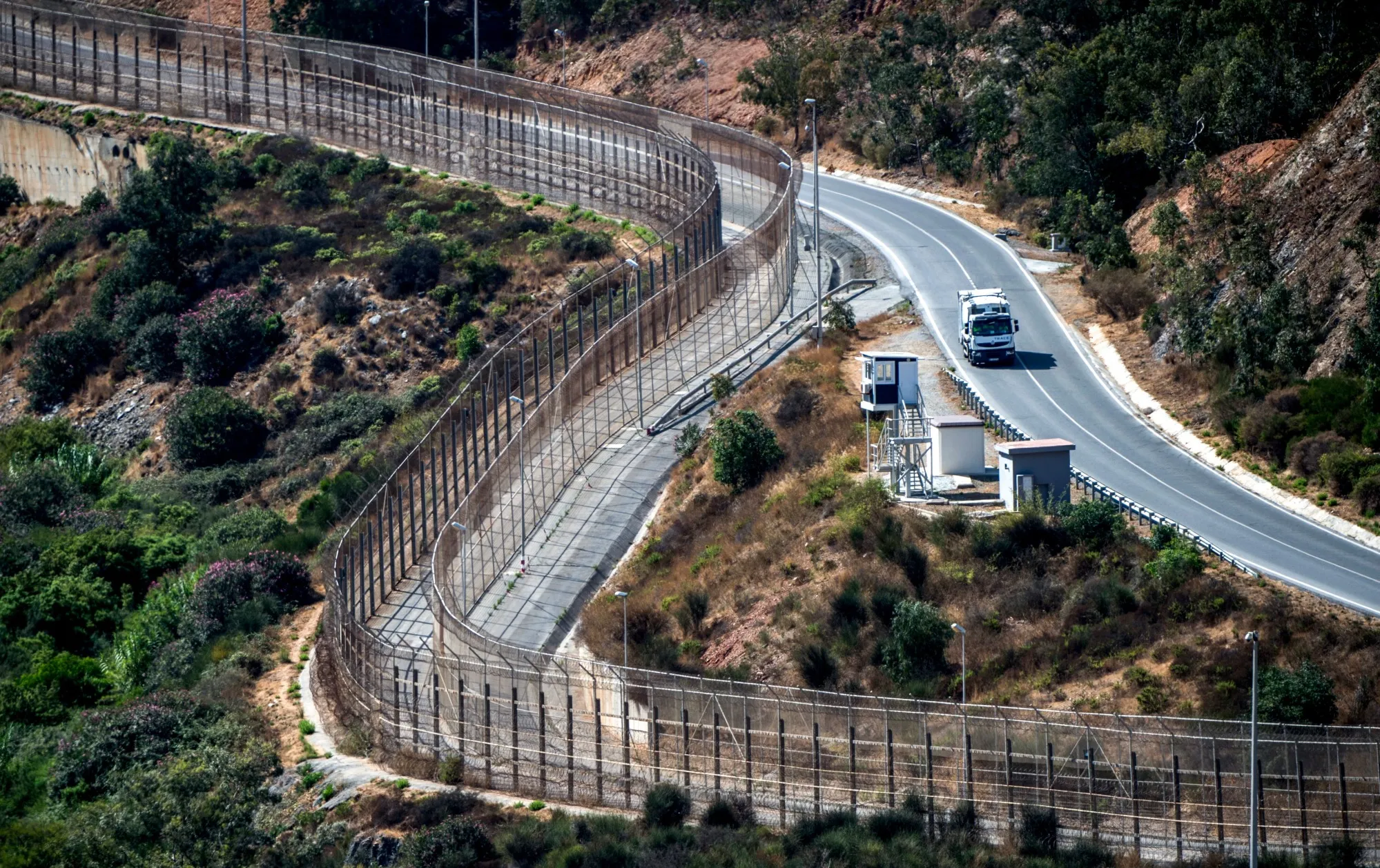
Italian Prime Minister Giorgia Meloni and officials from Finland, the Czech Republic, and Denmark have pushed for a suspension of border-free travel with Spain to prevent further movement. However, the legal reality complicates these demands. Ceuta and Melilla occupy a distinct status under current protocols: arrivals from within Schengen require no identification, but those exiting the enclaves face mandatory checks. This unique regulatory position makes a blanket suspension of the entire Schengen zone a complex, if not impossible, legal undertaking.



Comments (0)
No comments yet. Be the first!