Central Banks Hold Rates as Inflation and Geopolitical Risks Mount
Major central banks, including the Federal Reserve, the Bank of England, the ECB, and the Bank of Japan, maintained interest rates last week, signaling a precarious balance between cooling economies and persistent inflationary pressures fueled by energy costs and regional conflict in the Middle East.
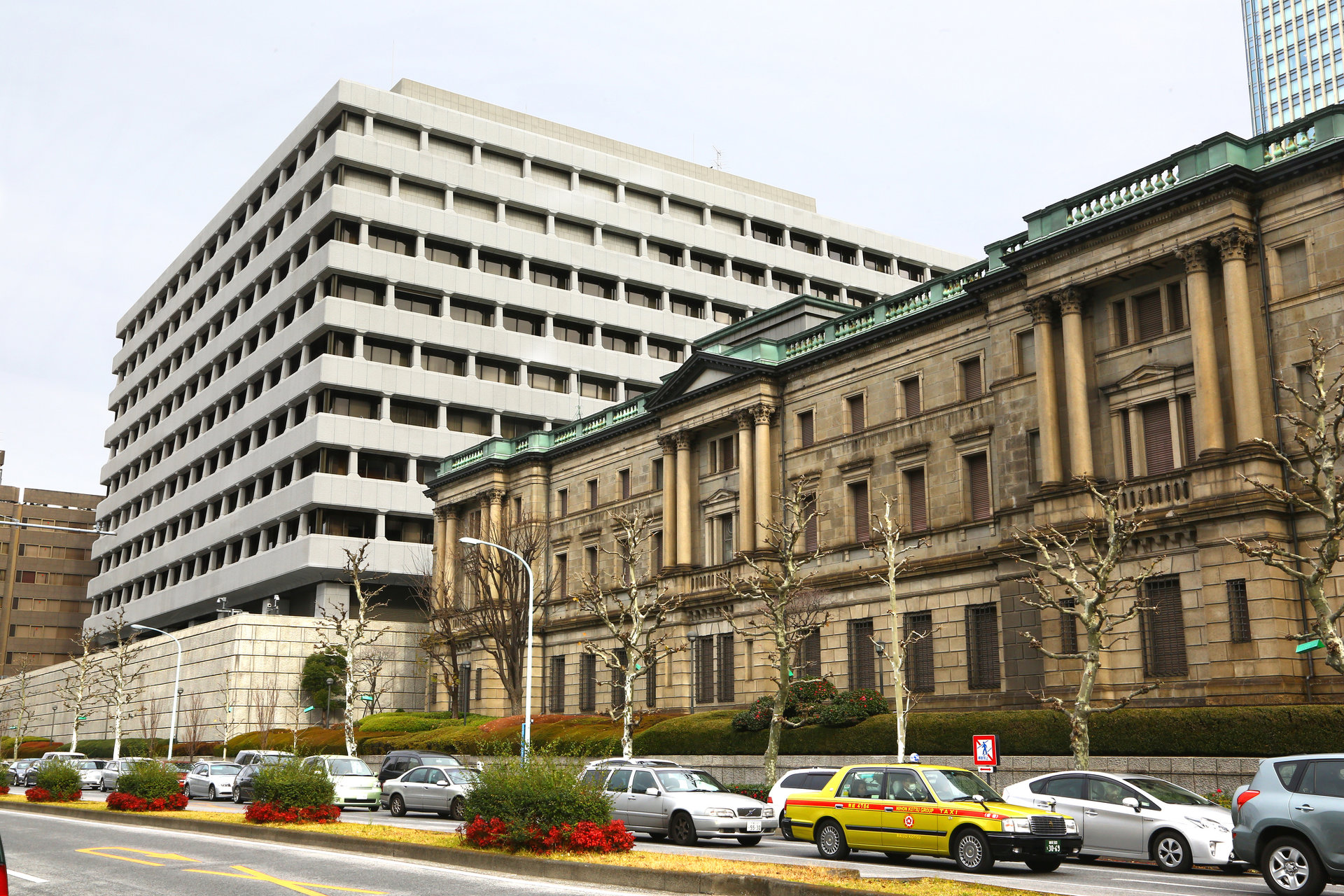
The Bank of Japan held its benchmark rate at 1.00 per cent, though Governor Ueda’s hawkish rhetoric suggests an imminent shift. Analysts at HSBC Private Bank identify a rising risk of a 25 basis point hike as early as October, despite a base case of December. While some firms maintain a neutral stance on Japanese equities, others see potential in domestic tech and financial sectors as market leadership broadens beyond artificial intelligence.
In the UK, the Bank of England’s 6-3 vote to hold at 3.75 per cent revealed internal friction. Economists suggest the split indicates a hawkish pause, with inflation risks tied to energy prices keeping the door open for future tightening. Similar pressures are visible in the eurozone, where accelerating July inflation to 2.9 per cent has eroded confidence in an extended ECB pause, with markets now pricing in an 85 per cent probability of a September hike.
Across the Atlantic, the Federal Reserve’s decision to keep rates at 3.50 to 3.75 per cent masks a growing impatience with above-target inflation. With three dissenting votes reflecting committee concerns, analysts at Goldman Sachs Asset Management note that the path toward a September hike remains finely balanced. The consensus among wealth managers is that while the current cycle is in a holding pattern, geopolitical volatility and upcoming consumer price data will dictate the pace of future monetary policy adjustments globally.





Comments (0)
No comments yet. Be the first!