
The campaign, which focused on targeting refineries, industrial hubs, and logistics chains deep within Russian territory, produced significant economic friction. July saw Russian oil refining drop to 3.6 million barrels per day, the lowest output since 2002. Despite these disruptions and persistent strikes on major retail infrastructure like Wildberries warehouses—where 12 of the 25 largest facilities have sustained damage—the front line remains largely unaffected. Analysts at the Conflict Intelligence Team observe that Russian offensive pressure has actually increased, despite the significant losses in heavy equipment and transport logistics.
Ukraine’s 40-Day Campaign Ends Without Strategic Ceasefire
Ukraine’s ambitious 40-day campaign, intended to pressure Moscow into ending the war, concluded this week without achieving a negotiated ceasefire. While the deadline passed without an official assessment from President Volodymyr Zelensky, the intensified strikes on Russian infrastructure have fundamentally altered the logistics of the conflict.
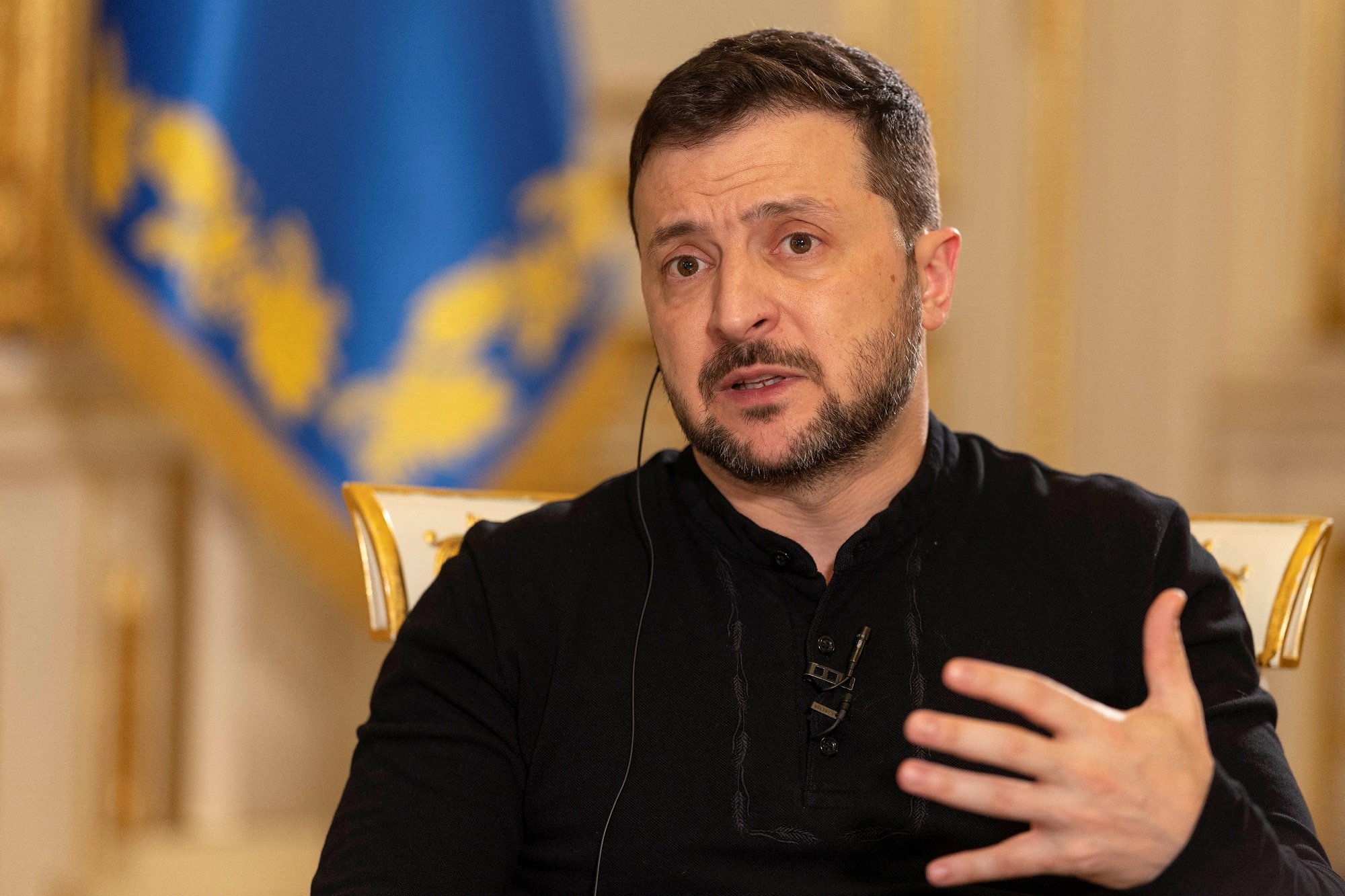
Kyrylo Budanov, head of the presidential office, dismissed the importance of the 40-day timeline, emphasizing that the focus remains on long-term attrition. While Ukraine successfully struck targets as far as 2,500 km from its border, the Russian military response has remained unyielding. Vladimir Putin has shown no inclination toward halting aerial operations or entering peace talks. Instead, the conflict has settled into a grinding phase of mutual destruction, with both sides intensifying attacks on civilian-adjacent logistics and energy infrastructure, leaving the strategic objective of forcing a Russian capitulation increasingly distant.




Comments (0)
No comments yet. Be the first!