
The crisis has effectively neutralized Saudi Arabia, the UAE, and Qatar as primary LPG sources, shifting the burden of global supply onto the United States. With domestic demand unable to absorb the massive output triggered by the shale revolution, American exporters have stepped into the vacuum. India, traditionally reliant on Middle Eastern shipments, is now pivoting toward American propane to secure its needs. This transition is further accelerated by European efforts to replace sanctioned Russian energy with U.S. volumes.
Hormuz Blockade Forces Global LPG Trade to Pivot Toward U.S. Supplies
Traffic through the Strait of Hormuz has cratered to just 11 vessels per day, down from a pre-war average of 54, as Iranian-led attacks choke off a vital artery for liquefied petroleum gas. This collapse has sent propane prices soaring 25% since February, forcing a rapid realignment of global energy logistics.
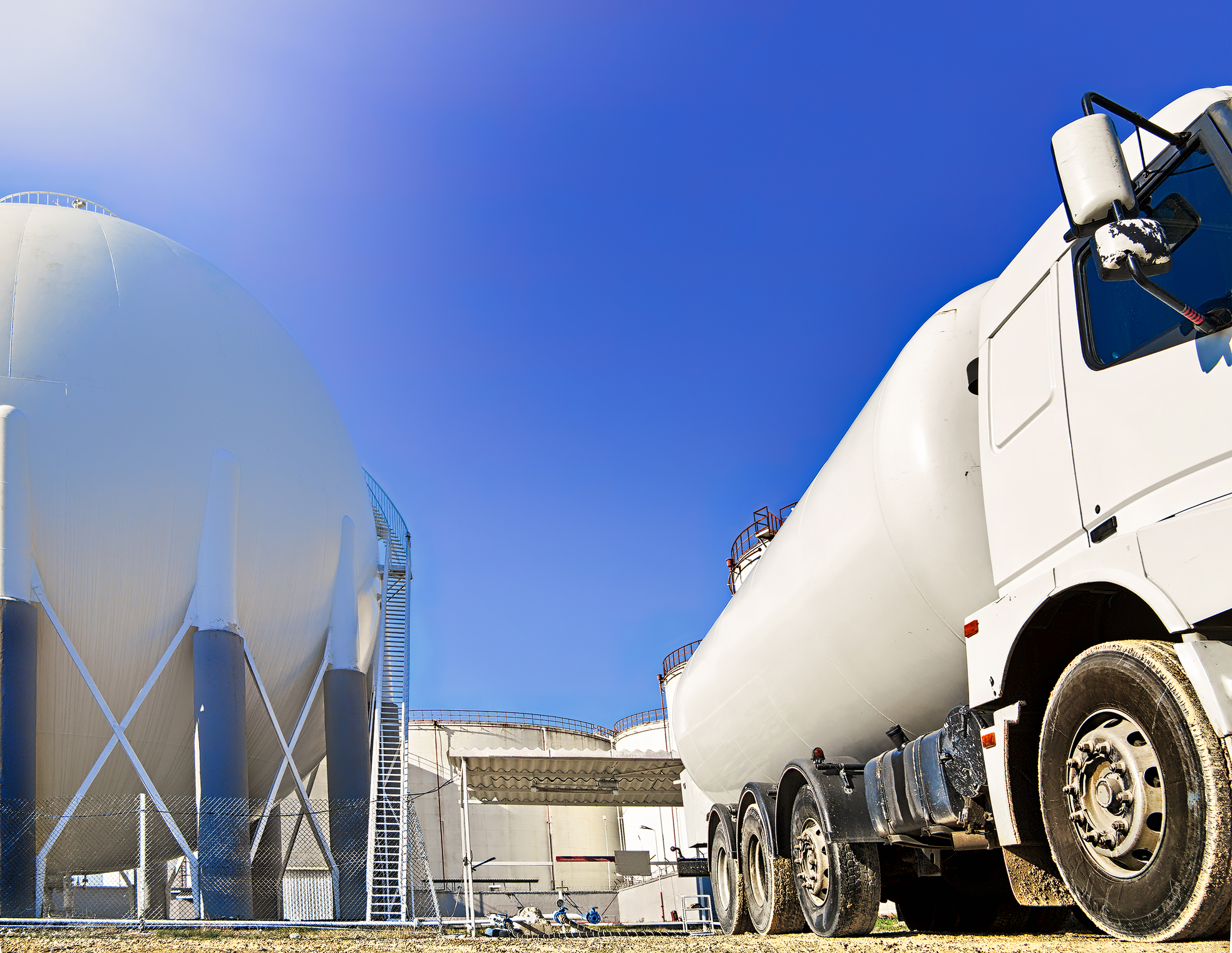
Market stability now rests in the hands of private commodity traders like BGN Group, Petredec, and Mitsui. These firms, utilizing flexible fleets, have become the primary facilitators of this new supply architecture. BGN Group, which managed over 10 million metric tons of LPG annually through its Houston subsidiary, exemplifies the shift toward agile, U.S.-aligned logistics. As global demand for propane is projected to climb to 260 million metric tons by 2031, the reliance on these private entities to navigate geopolitical volatility has become the new standard for energy security.



Comments (0)
No comments yet. Be the first!