
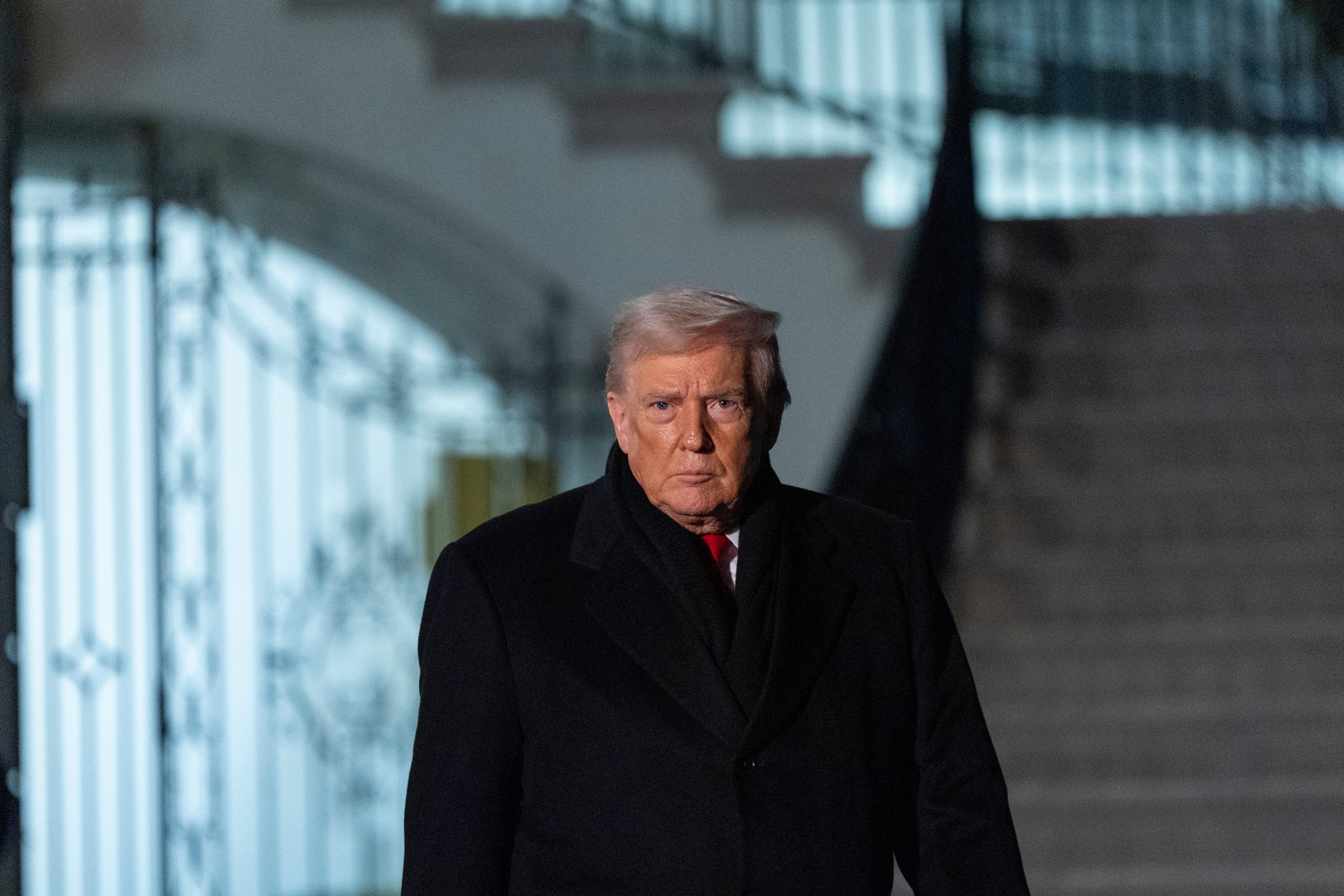
The US trade representative’s office claims these tariffs are necessary to combat forced labor imports, specifically pointing to Poland’s tobacco trade with Malawi. Yet, the scale of the alleged harm remains negligible, suggesting the policy serves as a pretext rather than a genuine human rights correction. The irony is sharp: the United States has failed to ratify International Labor Organization agreements on forced labor, while its own prison systems frequently utilize inmate labor for private enterprise.
This extraterritorial application of law is unlikely to stop at labor standards. Washington has already set its sights on the EU’s Digital Markets Act. Following an €890m fine levied against Google, President Trump threatened a Section 301 investigation, promising substantial tariffs to retaliate against what he labels the robbery of American companies. Beyond digital regulation, the revival of Helms-Burton era disputes and the precarious status of the EU-US Data Privacy Framework—now under legal fire following a Supreme Court ruling on the Federal Trade Commission’s independence—suggest a deepening cycle of retaliation.


Comments (0)
No comments yet. Be the first!