

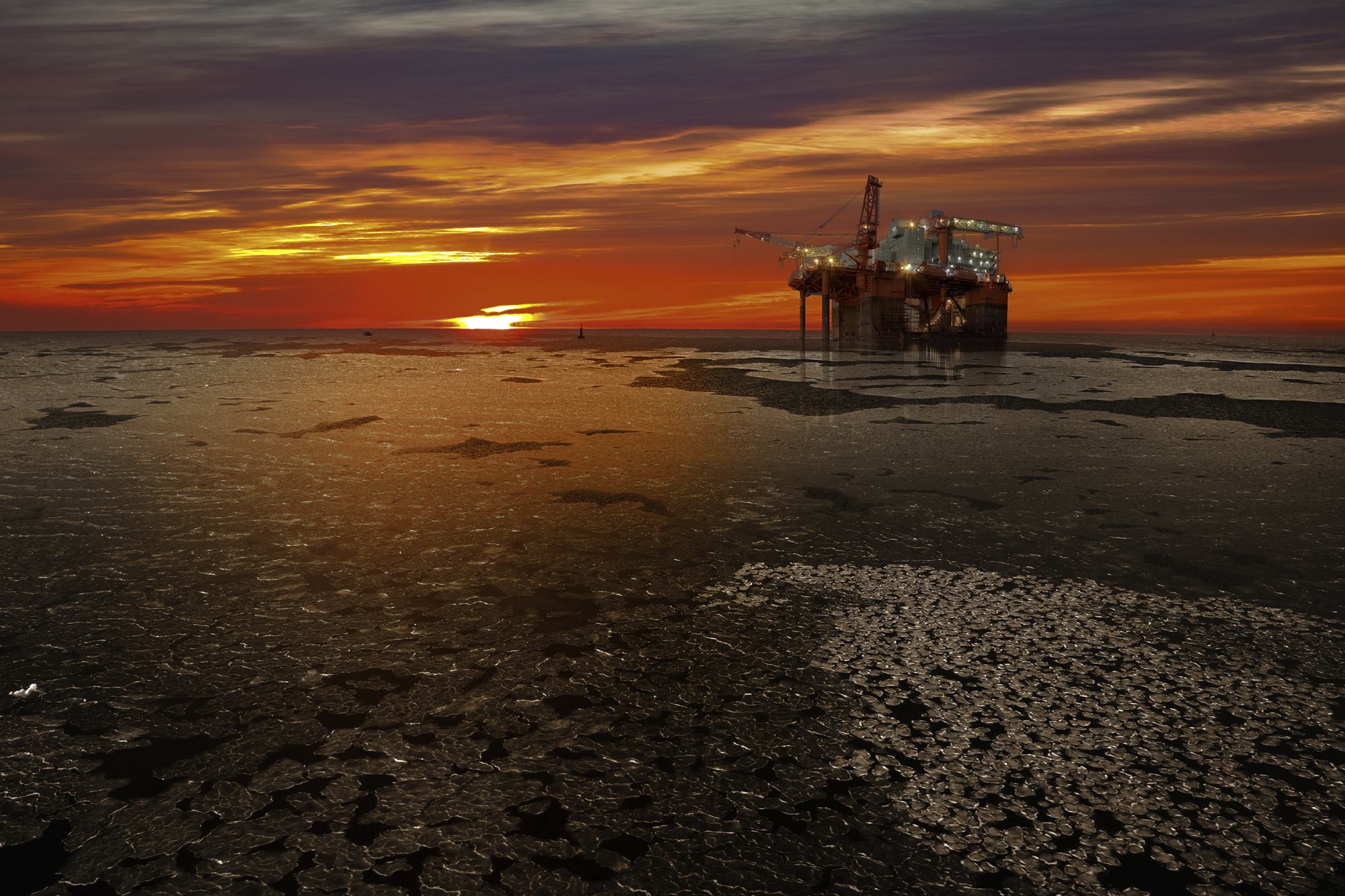
Bumerangue presents a massive industrial challenge, requiring approximately $32 billion in development capital—a figure that dwarfs BP's previous Gulf of Mexico projects. Technical hurdles are equally daunting, specifically high carbon dioxide concentrations in the reservoir gas that may necessitate sophisticated subsea separation and re-injection technology. To mitigate these risks, BP is expected to seek a partner, with Petrobras emerging as a natural fit due to its extensive experience with HiSep technology and high-CO2 reservoirs like the Mero field.
The project’s viability rests on favorable fiscal terms secured under a 2022 production sharing agreement. Unlike other regional developments, Bumerangue allows up to 80% of production to be allocated as cost oil, with a government profit share of just 5.9%. These terms help offset an estimated $50/bbl breakeven price, keeping the project competitive despite its high technical complexity. Final investment approval is slated for 2028, with first oil targeted for 2032.


Comments (0)
No comments yet. Be the first!