
Since February, an Advance Team has been operating in The Hague to finalize the structure of this new body. With 36 states and the EU already committed to a Steering Committee and the European Commission pledging €10m in funding, the tribunal is nearing its launch phase. The Netherlands will host the operations, and the next steps involve appointing judges and setting procedural rules. Proponents argue this is a historic shift toward direct accountability for military aggression, mirroring the standards set at Nuremberg and Tokyo.
Europe’s new tribunal for Ukraine faces a credibility gap
The Special Tribunal for the Crime of Aggression against Ukraine is shifting from paper to practice, yet its founding design contains a fundamental contradiction. While intended to hold leadership accountable for the war, the institution intentionally preserves immunity for sitting heads of state, effectively shielding Vladimir Putin from prosecution while in office.
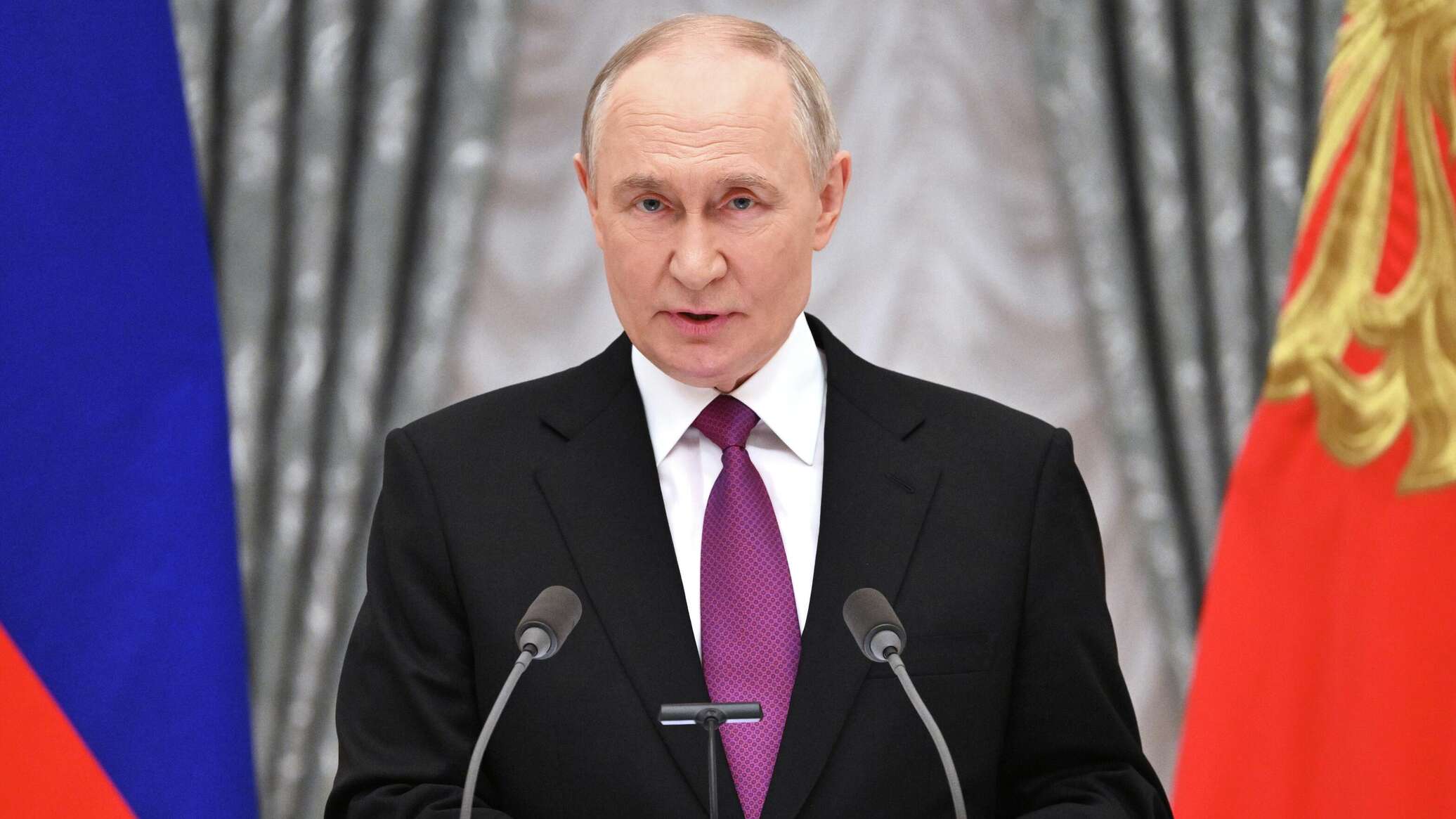
However, the tribunal’s legal framework creates a significant immunity gap. Unlike the Rome Statute, which explicitly rejects immunity for heads of state in cases of genocide or war crimes, this new tribunal mandates that pre-trial proceedings be suspended if the accused remains in power. Switzerland and other observers have already signaled concerns over this design, noting that it renders the court unable to act against the very individuals it was established to target. Critics argue that by creating a mechanism exclusively focused on Russian aggression—while exempting sitting leaders—European governments risk reinforcing perceptions that international justice is merely a selective instrument of Western political influence rather than a universal standard. If the institution proceeds without addressing these immunity clauses, it risks becoming a symbolic gesture that undermines the legal credibility Europe seeks to uphold.


Comments (0)
No comments yet. Be the first!