
The Iranian demands include a complete cessation of military threats, the withdrawal of U.S. naval and air forces from the region, sanctions relief, and the release of frozen assets. This stance signals that recent diplomatic discussions, including a much-discussed draft agreement, remain far from a resolution. Shipping data confirms the severity of the standoff; only 33 vessels transited the strait between Monday and Thursday, a sharp decline from 50 during the same period last week. Outbound crude tanker traffic has slowed to just six vessels.
Tehran ties Strait of Hormuz reopening to sweeping U.S. concessions
The Strait of Hormuz remains effectively sealed as Tehran demands a fundamental shift in U.S. foreign policy before allowing transit to resume. Mohammad Baqer Zolghadr, secretary of Iran's Supreme National Security Council, has issued a six-point list of prerequisites that Washington must meet to resolve the ongoing maritime blockade.
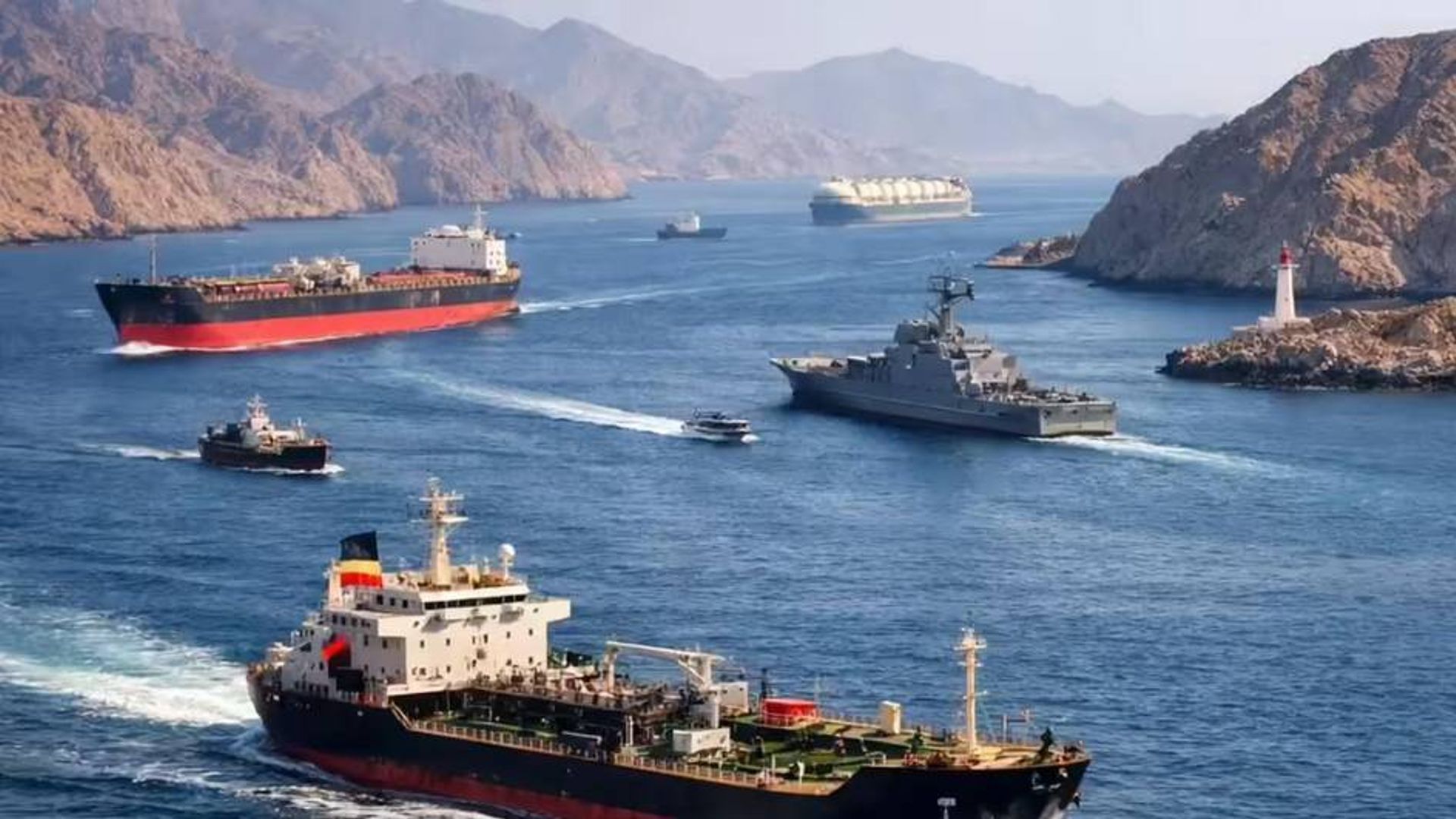
While Washington projects optimism, the divide between the two capitals is stark. Vice President JD Vance recently stated the U.S. expects energy flows to return to pre-war levels, citing Iranian assurances that no transit tolls will be implemented. However, the European Union reports that Iran’s IRGC Navy is already enforcing a system of screening and fees. For global energy markets, the discrepancy between White House expectations and Tehran’s hardening political demands creates a persistent atmosphere of volatility, as both sides appear to be negotiating toward entirely different outcomes.


Comments (0)
No comments yet. Be the first!