
The T-MED initiative targets the deployment of solar panels and wind turbines across North Africa, leveraging climate conditions that allow for energy production at 30 to 40 per cent lower costs than on the continent. The European Commission estimates the region holds 2,300 GW of renewable potential, dwarfing the EU’s current installed capacity. Officials hope this public seed money will catalyze up to $29 billion in private investment by 2035, helping to build the necessary grids and hydrogen infrastructure.
Europe Pins Energy Security on Sahara’s Solar Potential
With fossil fuel import costs soaring, the European Commission is betting $5.8 billion on a massive renewable energy corridor across the Mediterranean. By tapping into the Sahara’s vast wind and solar resources, Brussels aims to slash production costs and secure an alternative power supply through subsea transmission lines.
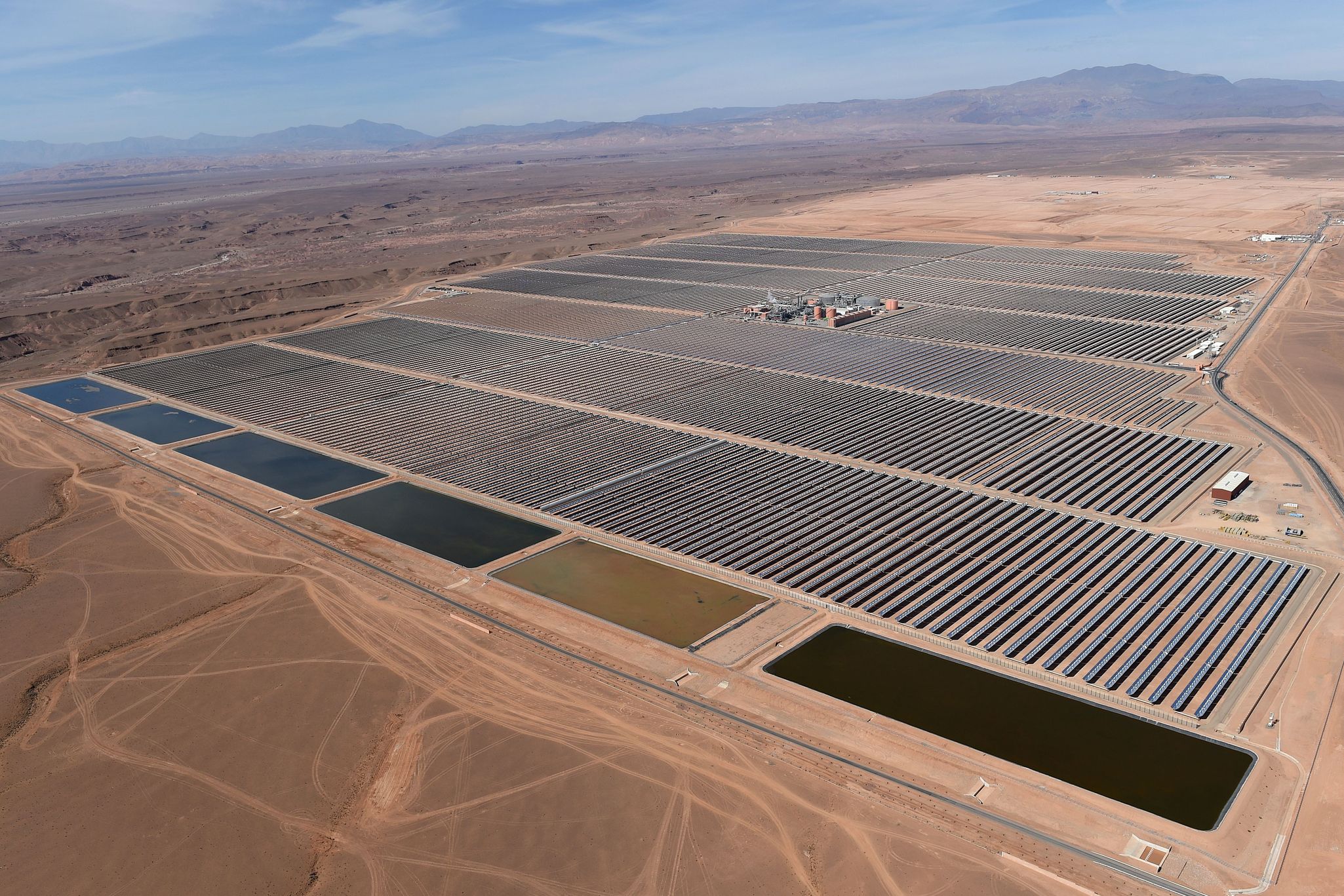
Energy Commissioner Dan Jørgensen argues that shifting to electrified, interconnected systems is the only viable path to stability. Recent geopolitical volatility and mounting fuel bills have intensified the urgency, yet the scale of the challenge remains immense: the Commission estimates that total development in the region will require $115 billion. While smaller projects like the Noor Ouarzazate complex and recent grid upgrades in Egypt have already set a precedent, the most ambitious plans face significant hurdles. Germany’s $30 billion Sila Atlantik project, intended to bridge the 4,800 km gap between Morocco and Europe, remains stalled by structural disagreements, highlighting the complex regulatory and logistical landscape that investors must navigate to turn these desert resources into a reliable European power source.

Comments (0)
No comments yet. Be the first!