
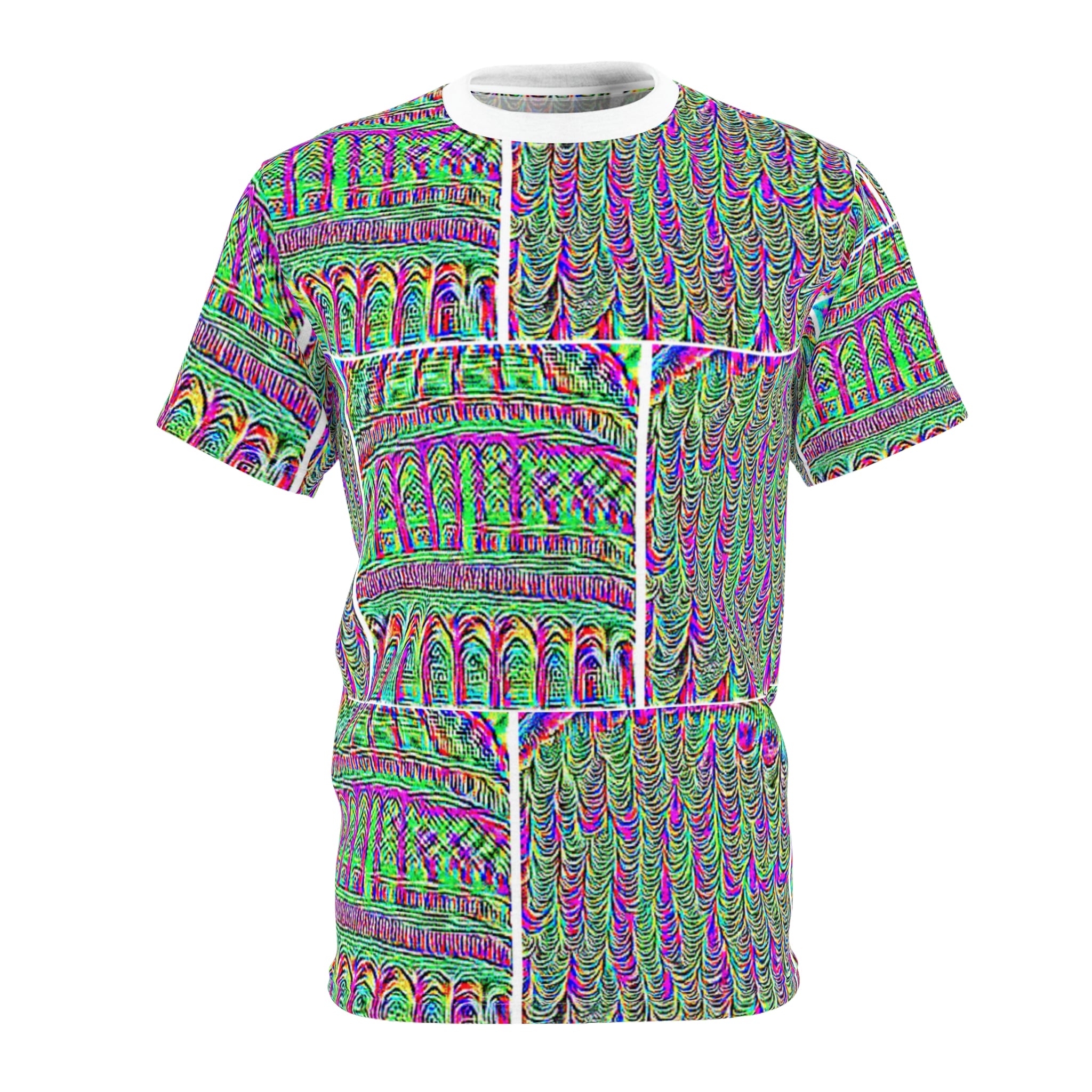
Swearingen, a cybersecurity professional, developed the technology using a reinforcement learning model that taught itself to identify the precise visual noise needed to defeat common detection software. By iterating through millions of failed attempts, the system discovered patterns capable of bypassing 11 different open-source algorithms, including those used by Flock Safety and Clearview AI. Unlike previous attempts at anti-surveillance gear, which often relied on ineffective aesthetic gimmicks, these patterns are mathematically optimized to confuse machine vision.
The practical application of this research faced its first public trial at the Def Con conference in Las Vegas. Collaborating with Donut Media, Swearingen applied one of his generated patterns to a 2009 Toyota Yaris. The vehicle successfully evaded detection by a Flock camera, proving the concept works outside of a controlled lab environment. While the wheels remained a technical hurdle during the demo, the success marks a shift in how individuals might reclaim privacy in an era of constant algorithmic monitoring.



Comments (0)
No comments yet. Be the first!