
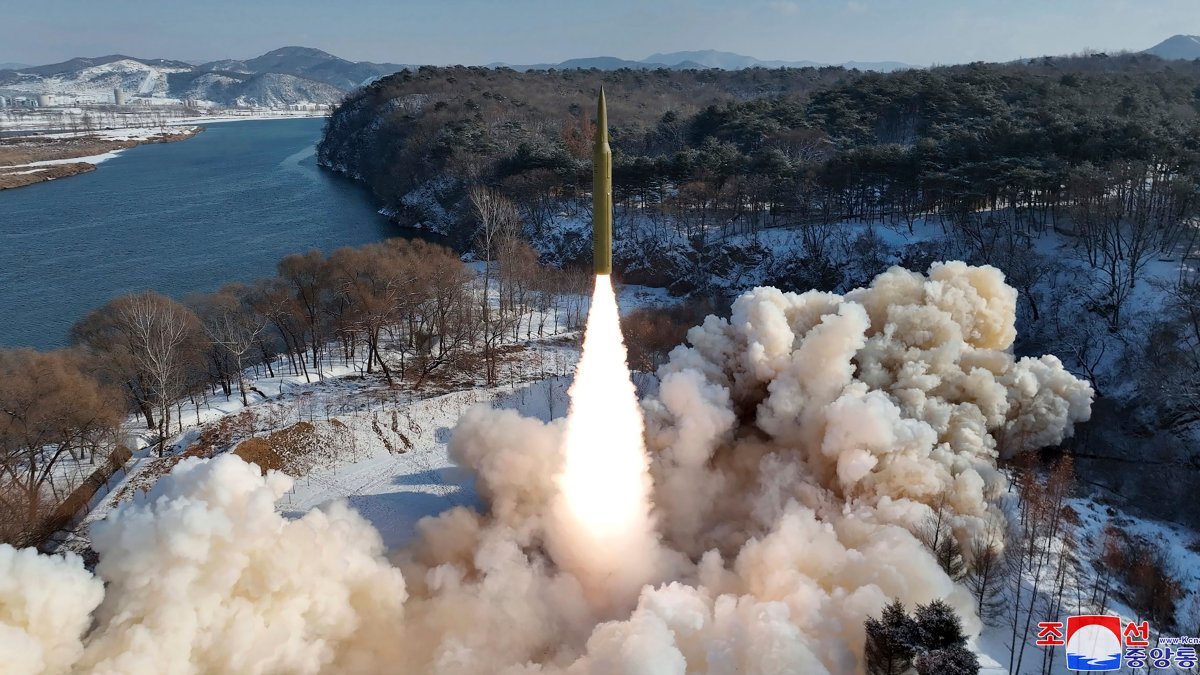
The war in Ukraine has become the primary laboratory for this cooperation. Russia’s reliance on Iranian-designed Shahed drones and North Korean ballistic missiles has evolved from simple procurement to a feedback loop of shared tactical expertise. Reports indicate that North Korea has deployed thousands of troops to Russian soil, while Moscow is increasingly providing Pyongyang with advanced military technology. Even Beijing, while avoiding overt kinetic participation, sustains the effort by purchasing Russian energy and supplying the dual-use components essential for Moscow’s defense industry.
Analysts note that this grouping lacks the binding commitments of NATO, functioning instead as a pragmatic, leaderless system of mutual support. Because members possess distinct strategic vulnerabilities, they use the network to offset domestic or international pressure. David J. Kramer of the George W. Bush Institute argues that the danger lies in this selective, operational efficiency. By coordinating efforts to weaken democratic norms or undermine American reliability, the four regimes create an adaptive front that complicates traditional Western deterrence.



Comments (0)
No comments yet. Be the first!