
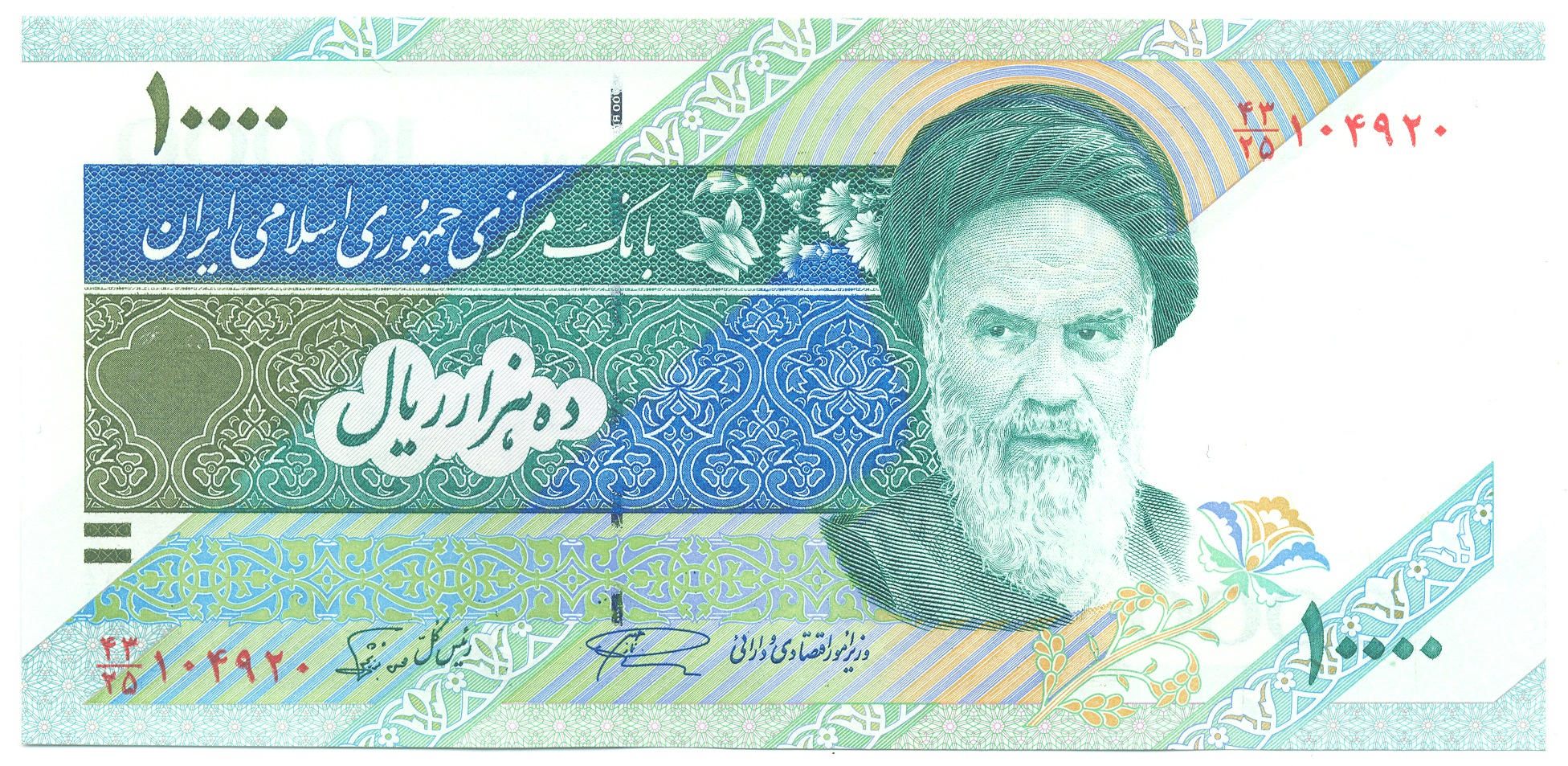
For ordinary Iranians, the daily reality is a desperate scramble for survival. In Tehran, residents report that basic staples—from dairy and potatoes to eggs—have become luxuries as prices climb on a near-daily basis. With the average family spending roughly 70 percent of their income on food, and a minimum monthly salary stagnant at approximately $100, many families have reached a breaking point. The IMF projects inflation will hit 69 percent this year, a level unseen since the 1979 revolution.
Iran’s Economy Nears Collapse Under Wartime Strain
As the war with the United States and Israel grinds into its fifth month, Iran’s economy faces a brutal disintegration. With infrastructure battered by airstrikes and a naval blockade strangling oil exports, the country’s 90 million citizens are watching their purchasing power evaporate amid runaway inflation and severe shortages.
The Failure of Economic Leverage
The economic crisis predates the current conflict, but the war has transformed systemic mismanagement into an existential emergency. Washington’s strategy centers on maximizing financial pressure through renewed sanctions and a naval blockade of Iranian ports, effectively severing the country’s primary revenue stream. While President Donald Trump has expressed confidence that this pressure will force Tehran to the negotiating table, the regime has signaled a willingness to endure extreme economic hardship to ensure its political survival. By leveraging the closure of the Strait of Hormuz to disrupt global energy markets, Tehran has attempted to counter US measures, yet the domestic cost continues to mount. Analysts warn that the country is currently tracking toward severe stagflation, leaving the population to bear the brunt of an unraveling state that has effectively abandoned any semblance of long-term economic stability.



Comments (0)
No comments yet. Be the first!