
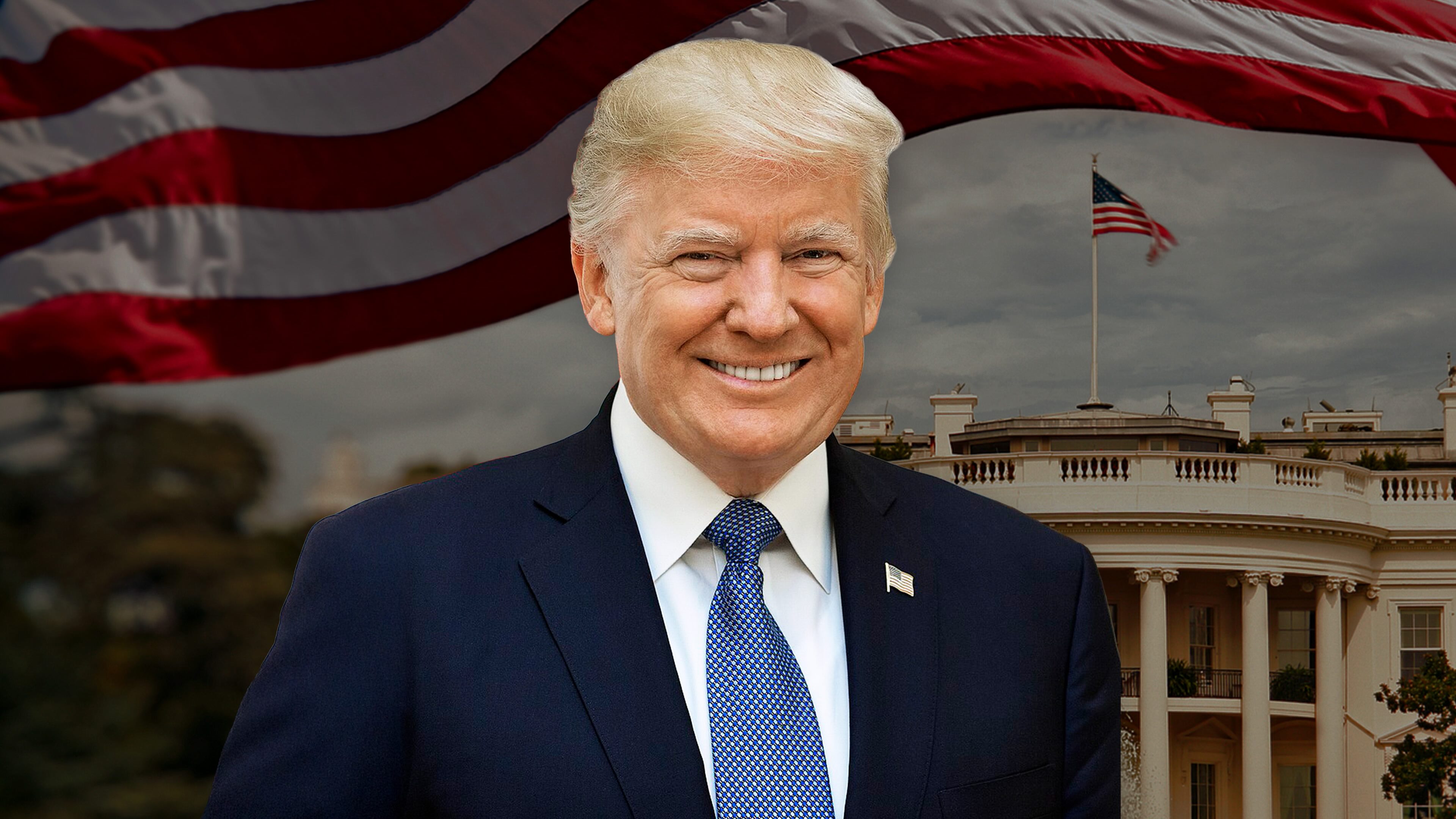
The White House has moved away from early hopes of a negotiated settlement with Vladimir Putin, now viewing the Kremlin as committed to maximalist war aims. This shift has prompted a surge in congressional support for punitive measures, most notably a fresh sanctions bill adopted by the U.S. Senate on August 7. The legislation threatens to expand presidential authority over secondary sanctions, targeting entities that facilitate Russian energy trade or help Moscow circumvent existing restrictions.
For Astana, these developments present a mounting economic threat. While Kazakhstan is not the primary target, its reliance on Russian infrastructure for oil exports creates significant vulnerabilities. The Caspian Pipeline Consortium, which carries Kazakh crude, remains a point of concern as U.S. scrutiny of Russian maritime logistics intensifies. Furthermore, the broader economic impact is already tangible: Kazakh oil production dipped 9 percent in the first seven months of 2026, a decline linked to the fallout of Ukrainian drone strikes on energy infrastructure.



Comments (0)
No comments yet. Be the first!