
The crackdown involved the arrest of between 100 and 300 individuals, alongside a broader sweep that netted 61 suspects accused of human smuggling and inciting unrest via social media. Authorities also blocked potential migrants from boarding trains in Casablanca, Fez, and Kenitra, effectively halting a repeat of the July 30 crisis that saw thousands attempt to storm the enclave’s borders. During that earlier surge, at least 140 people perished while attempting to reach Spanish territory.
Morocco Tightens Border Grip as Tensions Over Ceuta Mount
Moroccan security forces deployed helicopters, riot police, and canine units near the seaside town of Fnideq this past Saturday to forcibly disperse hundreds of sub-Saharan migrants. The operation, aimed at preventing a mass breach of the nearby Spanish enclave of Ceuta, underscores Rabat’s unilateral control over EU-bound migration routes.
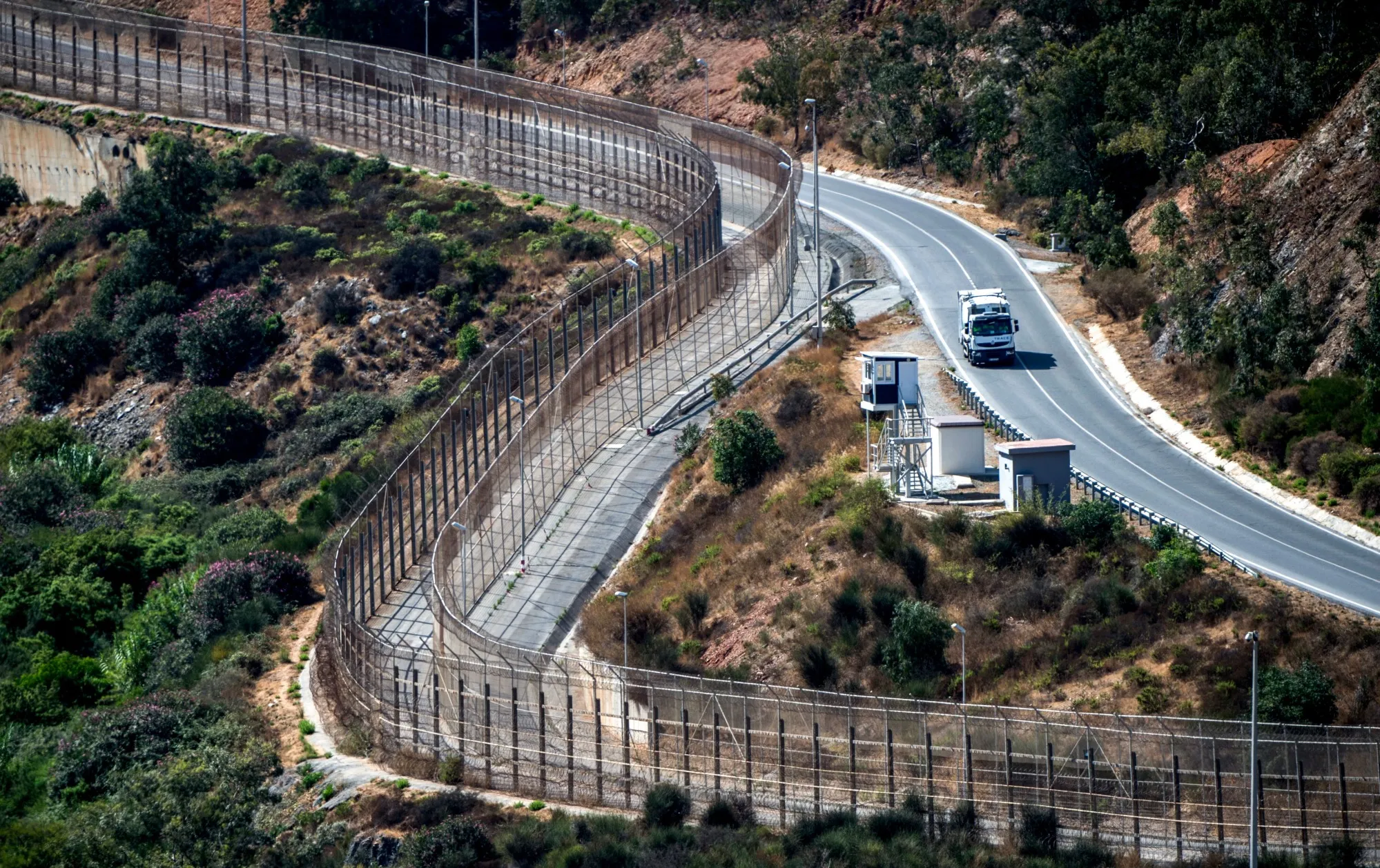
Morocco’s decisive intervention coincides with mounting anxieties in Madrid and Lisbon regarding Rabat’s use of migration as a lever for political concessions. The situation is further complicated by the exclusion of international press; security forces expelled journalists from EFE and RTVE prior to the Fnideq operation. RTVE president Jose Pablo Lopez condemned the move as a grave obstacle to press freedom. Beneath these tactical maneuvers lies a long-standing sovereignty dispute over Ceuta and Melilla, with Rabat reportedly emboldened by shifting diplomatic alignments and increased lobbying efforts in Washington.



Comments (0)
No comments yet. Be the first!