Why Carbon Capture Is Failing to Scale Beyond Pilot Projects
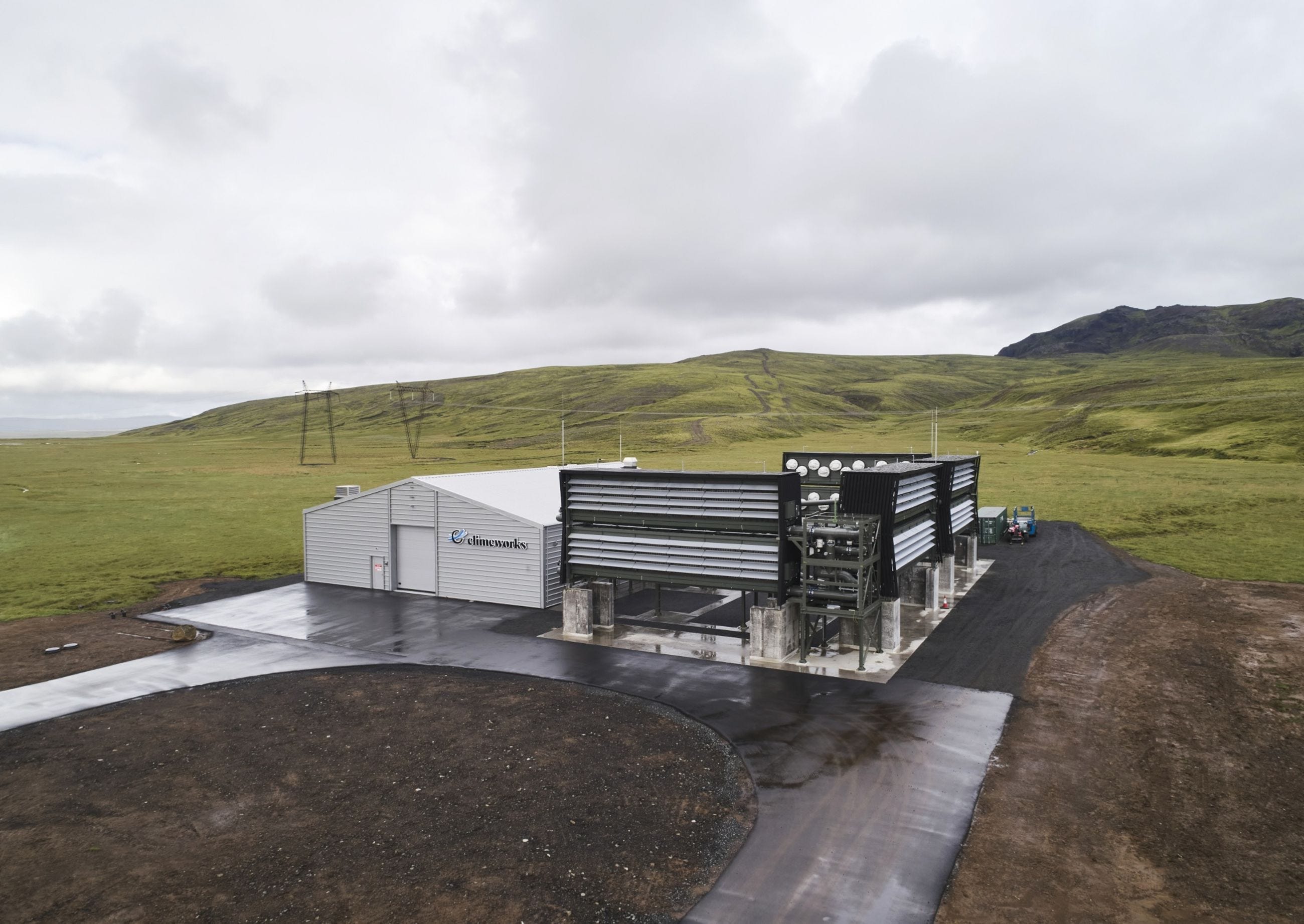
Carbon capture technology is rarely the bottleneck for industrial decarbonization. While engineers focus on solvent performance and storage integrity, the real barrier remains a lack of bankable commercial frameworks. Projects stall not because the science fails, but because the underlying contracts fail to allocate risk among emitters, transporters, and storage operators.
The European Union’s ambition to store 50 million tonnes of CO2 annually by 2030 requires more than just functional hardware; it demands a shift from bespoke demonstrations to standardized service models. Currently, the sector is trapped in a cycle of hesitation where emitters, pipeline operators, and storage developers wait for one another to commit. Without long-term, guaranteed contracts that translate environmental goals into project finance models, most announced industrial sites remain on the drawing board.
Norway’s Northern Lights project offers a blueprint for this transition by treating storage as a service rather than a proprietary asset. By allowing emitters to ship captured CO2 to a centralized terminal, the model bypasses the need for every factory to build its own infrastructure. Similarly, the United Kingdom is experimenting with tailored business models that bridge the cost gap between conventional production and low-carbon alternatives. These frameworks aim to distribute risk, ensuring that the party best equipped to manage a specific liability—be it construction delays or volume fluctuations—actually owns that responsibility.
Ultimately, carbon prices alone cannot bridge the gap between volatile allowance markets and the fixed costs of long-term debt. Decarbonization scales when carbon capture is integrated into industrial clusters, transforming a costly environmental retrofit into a shared, regional utility. For the industry to mature, developers must stop prioritizing capture rates and start answering the fundamental question of who is buying the avoided emissions, under what conditions, and for how long. Success depends on treating CO2 management not as a chemistry problem, but as a contractual one.




Comments (0)
No comments yet. Be the first!