
The operation has transformed the waters off Oman into a makeshift energy hub. Roughly 150 vessels now congregate in the region, a significant increase from the 40 identified in January. These tankers traverse the strait with transponders deactivated, meeting larger vessels outside the Persian Gulf to offload their cargo. Saudi Arabia has further fortified this workaround by positioning 16 VLCCs near Oman, providing the capacity to handle approximately 38 million barrels as regional tensions escalate.
The Shadow Oil Fleet Bypassing the Strait of Hormuz
With the Strait of Hormuz effectively shuttered to standard commercial traffic, a clandestine logistics network has emerged to sustain global energy supplies. The UAE, Iraq, Kuwait, and Qatar are currently pushing over 4 million barrels per day through a shadow fleet of AIS-dark tankers and ship-to-ship transfers.
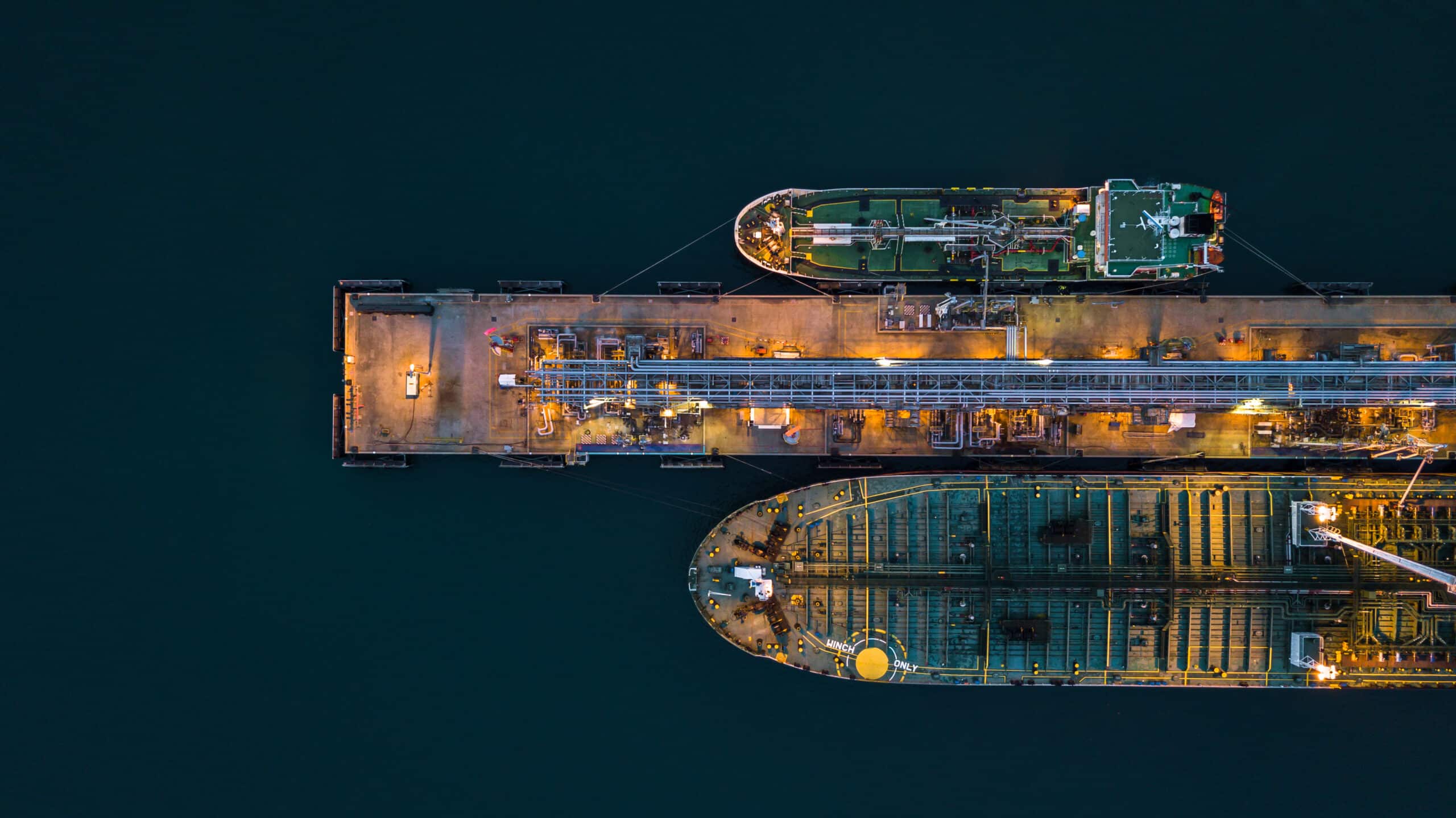
While U.S. Treasury Secretary Scott Bessent recently suggested that the Strait of Hormuz could become irrelevant within two years, the current reality remains precarious. Infrastructure alternatives, such as the UAE’s 1.5-million-bpd pipeline to Fujairah, are insufficient to replace the nearly 20 million barrels per day that once transited the strait. Furthermore, the reliance on longer shipping routes around the Cape of Good Hope has introduced new vulnerabilities, including a resurgence of Somali piracy in waters left underprotected by the diversion of allied naval assets to the Persian Gulf. As Saudi Arabia explores additional ship-to-ship transfer options off Fujairah and Egypt, the global market continues to pay a rising premium for the complexity of these essential energy detours.




Comments (0)
No comments yet. Be the first!