
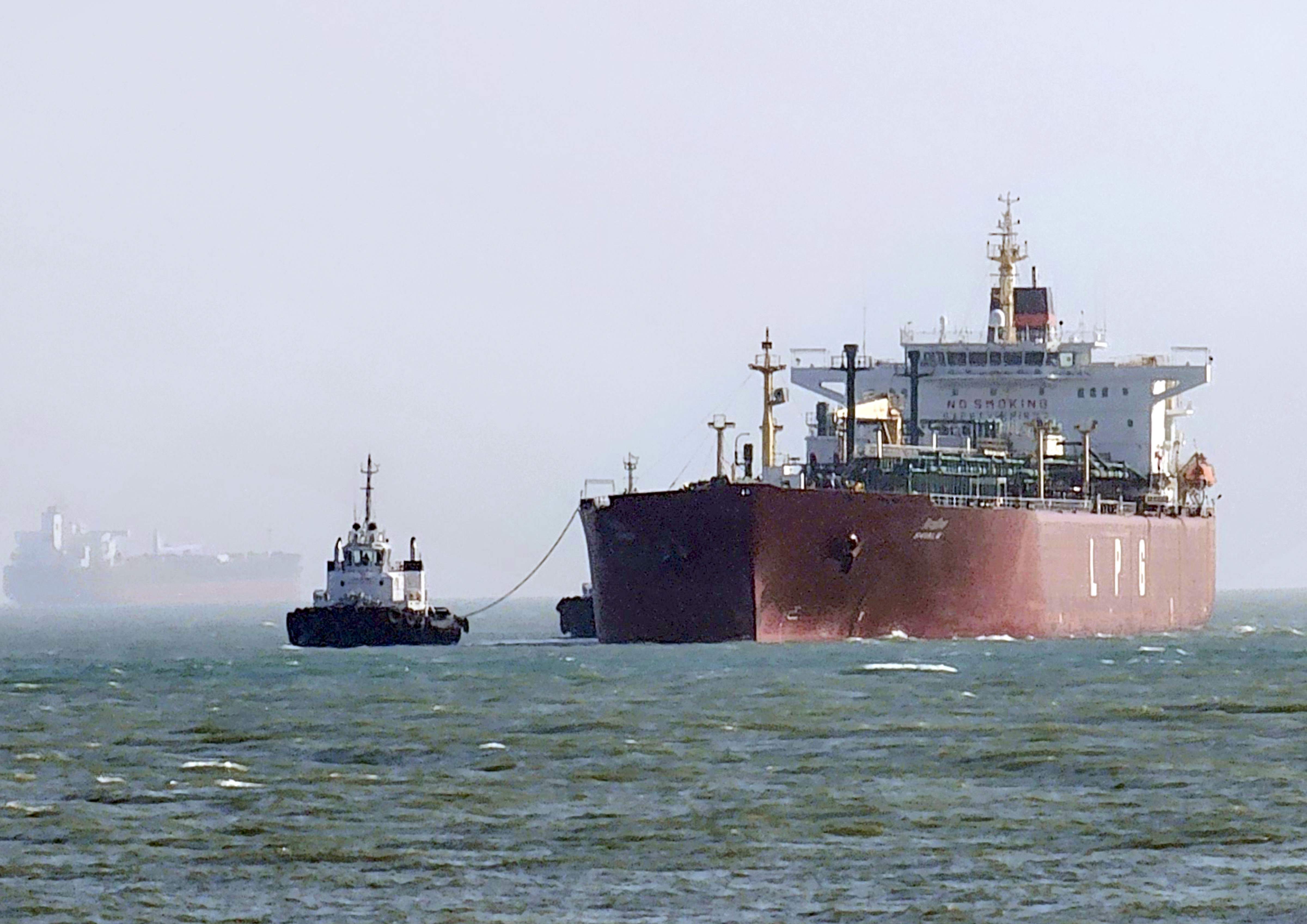
The drop in activity follows a projectile strike on a cargo vessel during an outbound transit earlier this week. The United Kingdom Maritime Trade Operations confirmed the incident, which heightened security anxiety across the Persian Gulf. While the U.S. government maintains the waterway remains open for commercial shipping, Iran continues to assert authority over the critical chokepoint. This standoff has discouraged standard transit operations, leaving tankers to drift or alter courses to avoid potential hazards. Consequently, crude oil prices climbed for the fourth consecutive session on Wednesday. Both Iran and the United States show little appetite for renewed negotiations, keeping the maritime corridor in a state of high-stakes volatility that disrupts the flow of energy commodities from the region.
Tanker Traffic Dips in Strait of Hormuz Following Vessel Attack
Six commodity vessels navigated the Strait of Hormuz on Tuesday, a sharp decline from the ten-day average of eleven. Ship-tracking data reveals a pattern of erratic maneuvers and mid-voyage U-turns as operators weigh the risks of regional transit against conflicting claims of control from Washington and Tehran.



Comments (0)
No comments yet. Be the first!