
The company’s HIVE platform operates as a modular lab capable of growing 20 distinct types of human tissue. By autonomously dosing and monitoring these samples, Vivodyne aims to move beyond static cell snapshots, capturing the dynamic cause-and-effect relationships that existing generative models currently miss. CEO Andrei Georgescu argues that without this specific, human-derived data, AI models are effectively limited to curing diseases in mice rather than humans.
Vivodyne bets on human-tissue robotics to solve AI’s drug discovery gap
While tech giants promise AI-driven cures for cancer, the current reality remains stagnant due to a reliance on flawed animal testing data. Biotech startup Vivodyne is attempting to bridge this divide by deploying autonomous robotic labs designed to generate high-fidelity, causal human biological data at an unprecedented industrial scale.
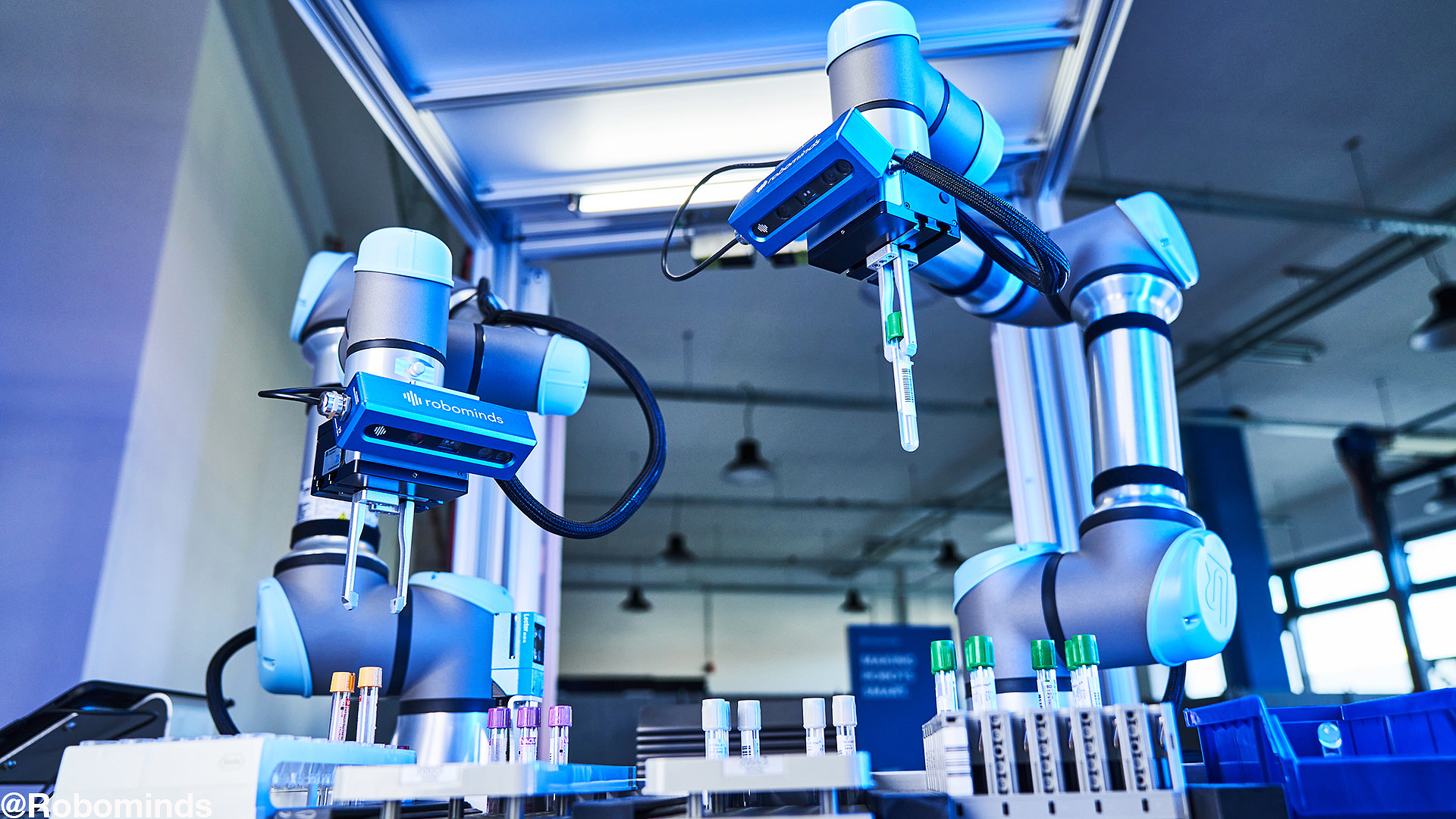
This shift in strategy addresses a notorious failure rate in the pharmaceutical industry, where 90% of drugs that succeed in animal trials ultimately fail to gain regulatory approval. Vivodyne’s internal data suggests its lab-grown tissues mimic human organ responses with high precision, claiming 94% predictive accuracy for liver toxicity and total concordance in bone marrow chemotherapy tests. With nearly $80 million in funding led by Khosla Ventures, the company recently launched a massive “human data center” near San Francisco. Georgescu expects these facilities to provide the reinforcement learning inputs necessary to move from simple predictive models to true, causal understanding of human biology, a requirement for developing complex, multi-pathway combination therapies.



Comments (0)
No comments yet. Be the first!