
The European Commission justifies its inaction by citing potential supply chain disruptions, suggesting that aggressive sanctions might prompt the plant to cut off aluminum supplies to European markets. However, critics view this caution as a strategic failure that allows Moscow to maintain vital leverage. While Irish Minister for Enterprise Peter Burke stated that a government investigation found no adverse findings regarding the facility, observers argue that the reliance on civilian-use declarations and end-user certificates mirrors the tactics used by Russia to bypass restrictions on dual-use technology.
The Irish Refinery Keeping Russia’s Aluminum Industry Afloat
Between April 2024 and March 2025, the Aughinish Alumina plant in Ireland exported over 540,000 tonnes of alumina to Russia, valued at $307.85 million. Despite the plant being owned by Rusal—a firm tied to Russian oligarch Oleg Deripaska—the European Union has pointedly refrained from sanctioning these critical shipments.
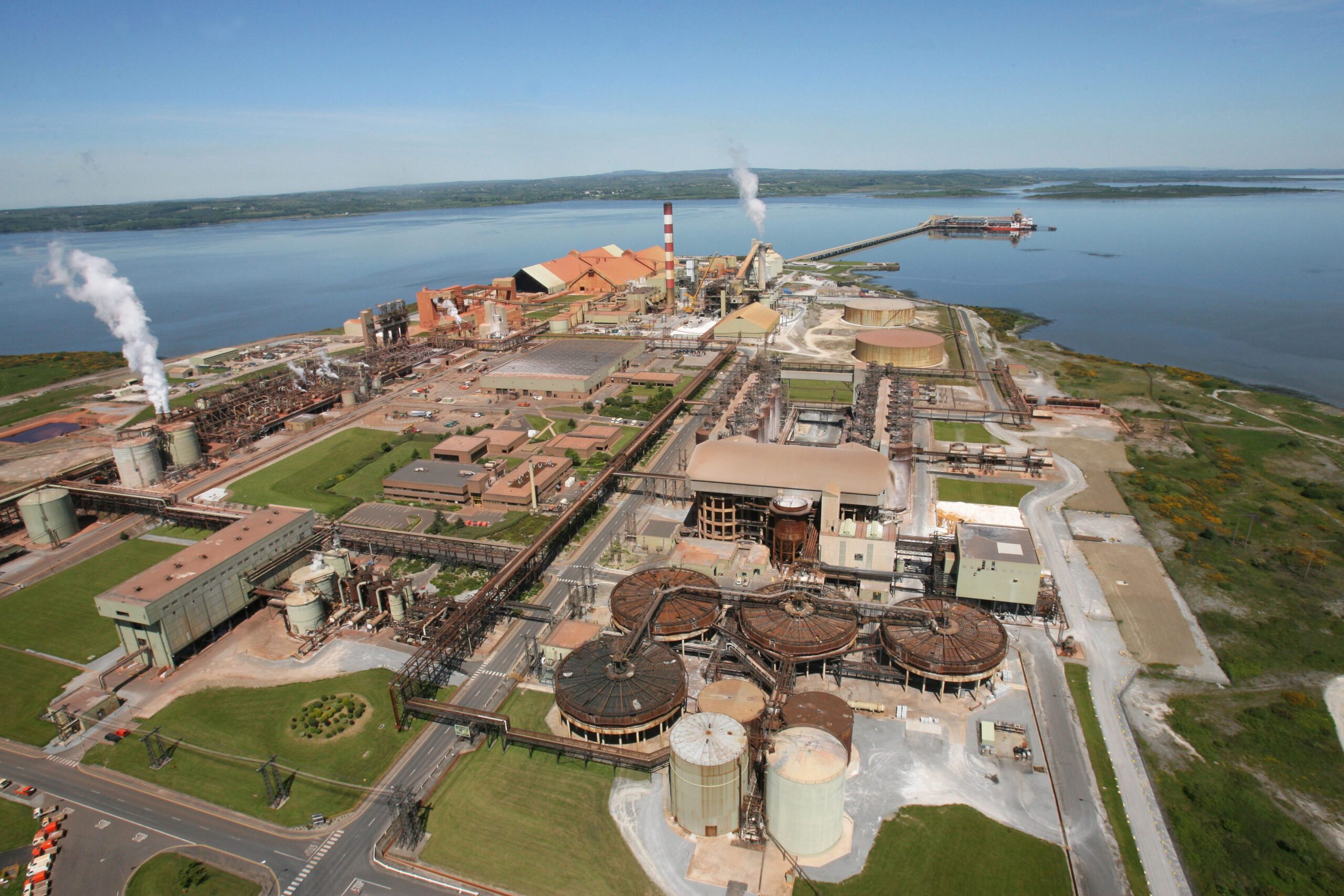
Russia faces a structural deficit in bauxite production, with domestic output falling well short of its eight-million-tonne annual requirement. Historically, Rusal has bridged this gap through its international assets. Although Australia halted exports following the 2022 invasion, the Irish refinery remains a critical lifeline. Research from the Economic Security Council of Ukraine indicates that Rusal entities receiving Irish alumina are linked to suppliers for the Russian military-industrial complex. By prioritizing bureaucratic traceability over decisive action, the EU effectively permits the continued flow of materials that facilitate the production of military-grade alloys, allowing Moscow to weaponize the threat of a supply cutoff to dictate European policy before sanctions are even applied.

Comments (0)
No comments yet. Be the first!