
The regulatory green light permits Tesla to field 5,000 vehicles, while Waymo and Uber are each authorized for 1,000 units. Uber plans to fulfill its quota through strategic partnerships with Motional and Zoox, the latter of which already operates an independent fleet in the region. Despite the aggressive caps, industry experts remain skeptical about the speed of implementation. Eric Early, Tesla’s Cybercab chief engineer, admitted during the hearing that the 5,000-vehicle target is a ceiling rather than a concrete goal, suggesting that reaching even half that number within twelve months would be a success.
Las Vegas Approves 8,000 Robotaxis as Tesla and Rivals Face Scaling Hurdles
The Nevada Transportation Authority has cleared the way for a massive influx of autonomous vehicles, authorizing Tesla, Uber, and Waymo to deploy up to 8,000 robotaxis across Clark County. This rapid expansion sets the stage for a high-stakes competitive clash on the streets of Las Vegas over the coming year.
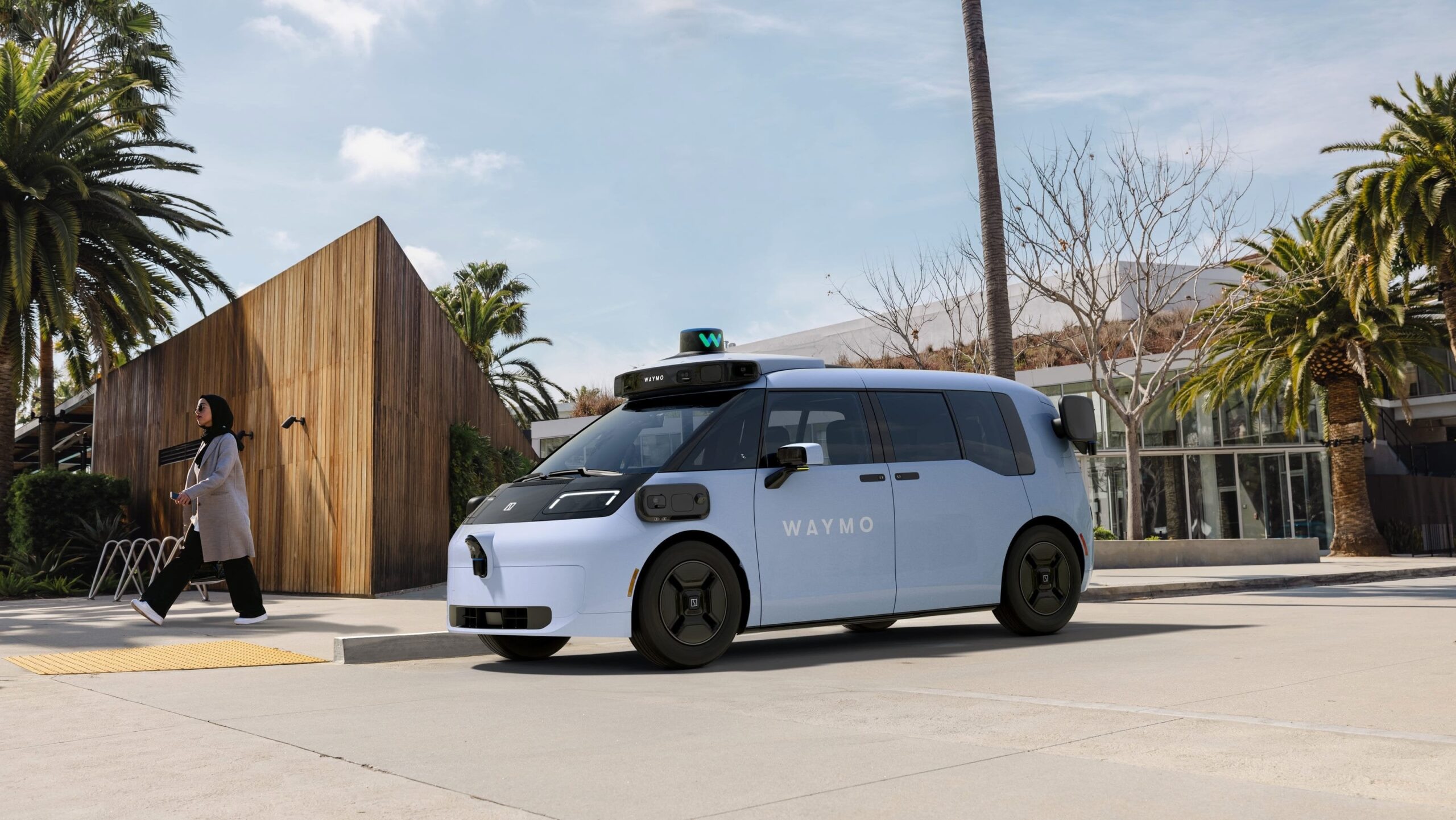
This expansion has ignited friction with local labor groups. The Livery Operators Association, represented by attorney Kimberly Maxson-Rushton, warned that the influx threatens to oversaturate the commercial transport market and congest the critical Golden Triangle area between the airport and the Las Vegas Strip. While tech firms pitch the shift as a modernization of transit, local taxi operators fear the displacement of human drivers. In response, Uber is pushing for a hybrid model that maintains human drivers alongside autonomous fleets, a strategy designed to buffer against potential technical delays while managing the transition of the city’s workforce.

Comments (0)
No comments yet. Be the first!