
The Irish state has long enjoyed a favorable standing in Brussels, buoyed by its rapid economic growth and a pro-EU public sentiment that remains among the highest in the union. Yet, the current geopolitical climate, defined by shifting US priorities and regional security threats, leaves little room for Ireland’s traditional balancing act. By hosting major US and Chinese platforms like Meta, Google, and Apple while offering a negligible corporate tax environment, Dublin finds itself acting as a primary gatekeeper for the very digital firms the EU aims to regulate.
Ireland’s EU Presidency: A Strategic Paradox
As Ireland assumes its EU presidency, the country faces a widening gap between its diplomatic reputation and its outlier policy positions. While Dublin touts its commitment to the bloc, its role as a low-tax haven for tech giants and its minimal defense spending threaten to undermine the EU’s push for strategic autonomy.
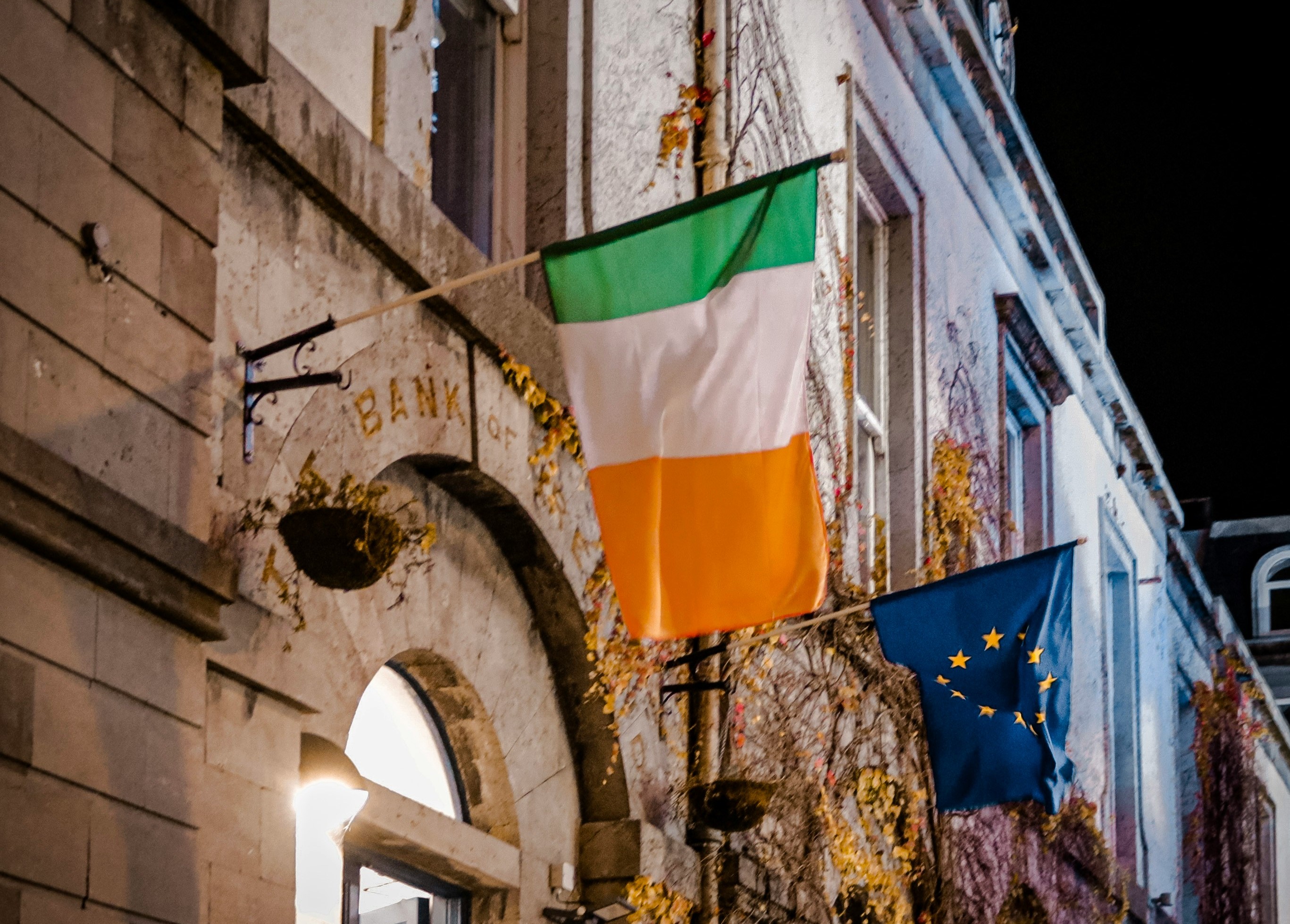
Defense remains the most glaring contradiction. With spending at just 0.2 percent of GDP—the lowest in the 27-member bloc—Ireland lacks the capacity to monitor its own vast maritime territory, which houses critical transatlantic sub-sea cables. This vulnerability is underscored by reports of Russian naval activity within the region. As Dublin prepares to spend up to €400 million on its presidency—a figure dwarfing recent efforts by Denmark and Cyprus—critics argue the expenditure risks becoming a hollow public relations exercise. Unless the government can reconcile its outlier status with the EU’s collective drive for security and economic sovereignty, it risks projecting strategic ambiguity at a moment when the union demands ironclad decisiveness.


Comments (0)
No comments yet. Be the first!