
Aramco now utilizes a shuttle service moving crude from the Red Sea port of Yanbu toward Ain Sukhna. From there, the cargo enters the SUMED pipeline for transit to the Mediterranean. This logistical shift has pushed shipments via the northern route to 1.1 million barrels per day. Ship-tracking data confirms that at least four tankers have already completed multiple legs of this journey, transporting over 16 million barrels of oil to secure transit corridors.
Saudi Arabia Reroutes Crude Exports to Sidestep Houthi Red Sea Threats
Saudi Arabia has increased crude oil exports from Egypt’s Mediterranean port of Sidi Kerir by 33% over the past month, effectively bypassing the volatile Bab el-Mandeb Strait. By pivoting its supply chain northward, state giant Aramco is mitigating risks posed by Houthi militants targeting tankers in the southern Red Sea.
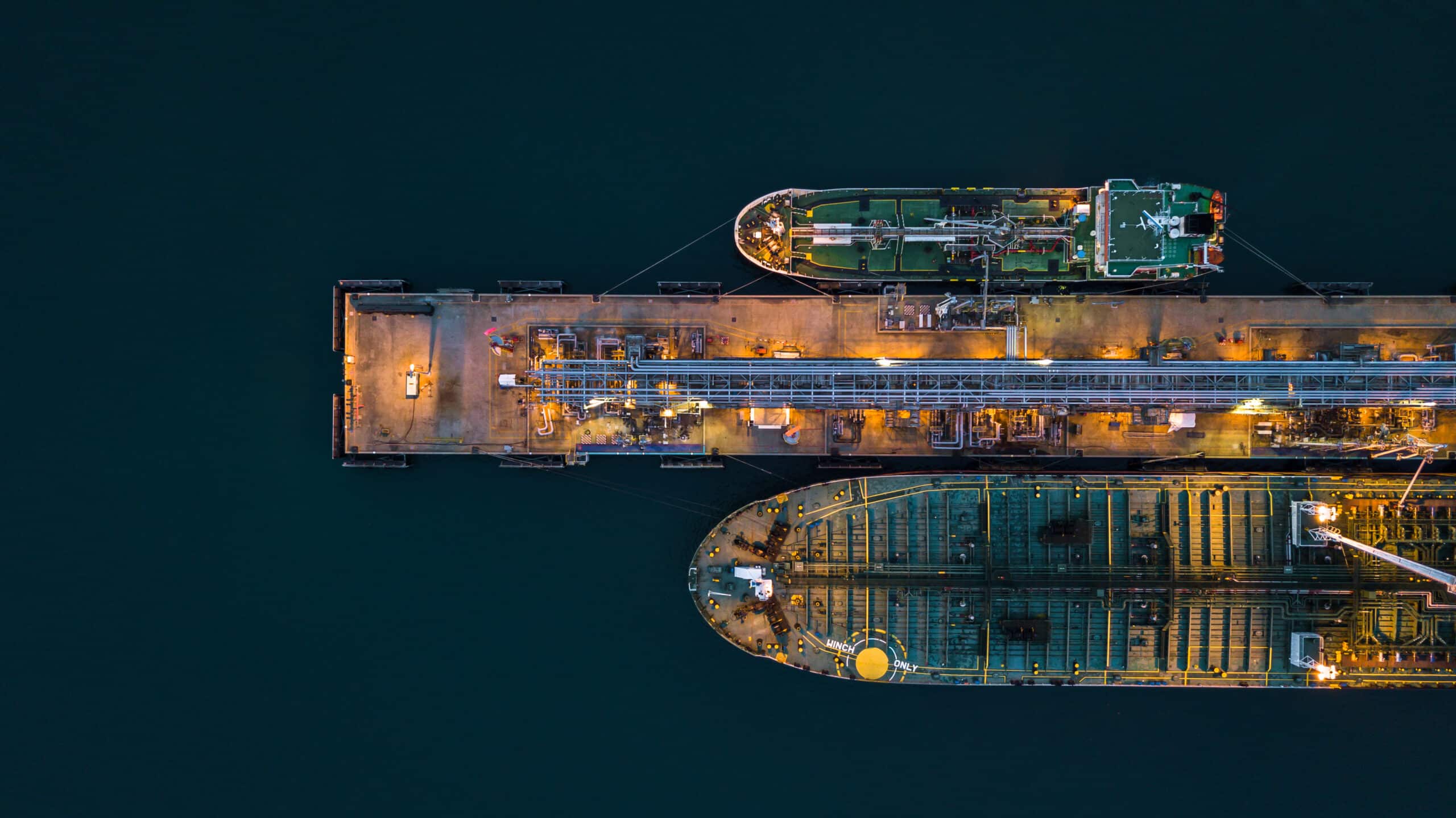
While this strategy maintains the flow of energy, it imposes significant operational costs on Asian refiners. Cargoes originating from Sidi Kerir must navigate the Mediterranean and sail around Africa’s Cape of Good Hope, adding nearly a month to standard delivery times. Major operators, including Norway’s DHT Management AS and Greece’s Dynacom, are facilitating this transition as buyers prioritize safety over the speed of delivery.


Comments (0)
No comments yet. Be the first!