
The Bab el-Mandeb has become the primary site of volatility, with traffic doubling to 8.1 million barrels per day before Houthi blockades effectively forced tankers into longer, costly detours around the Cape of Good Hope. Meanwhile, the Bosphorus remains technically open under the 1936 Montreux Convention, yet it is failing as an export artery. Ukrainian drone strikes on Novorossiysk have crippled Russian terminal capacity, leaving Caspian crude producers with few viable alternatives to reach global markets.
The Global Oil Grid Under Siege
While the Strait of Hormuz remains the focal point of energy market anxiety, the global oil supply chain is fracturing across five other critical chokepoints. With 16.7 million barrels per day rerouted due to the Persian Gulf crisis, the world’s narrowest maritime passages are now operating at dangerous capacity limits.
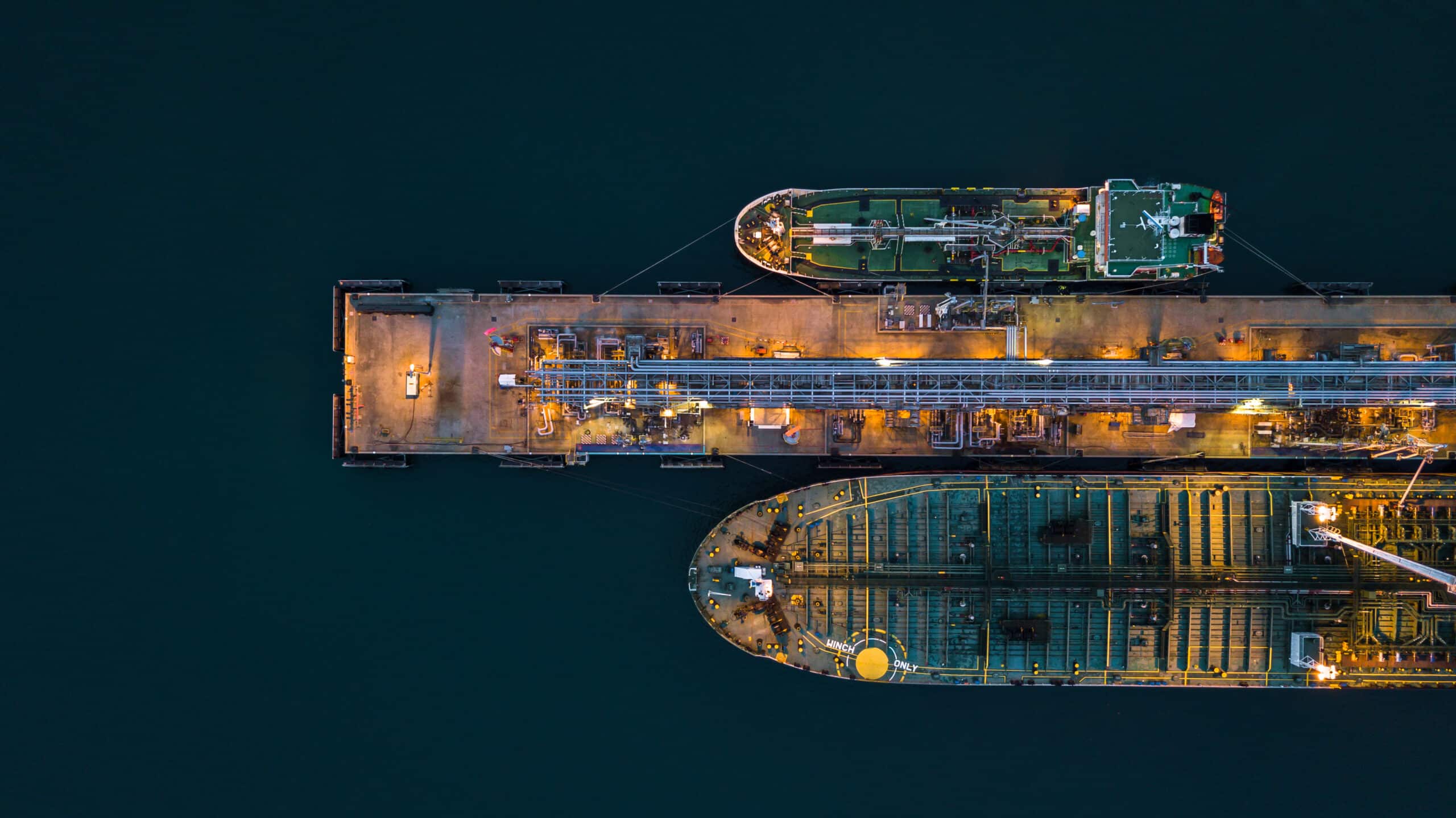
Elsewhere, the constraints are more mundane but equally disruptive. Panama’s canal is fighting a losing battle against drought, with draft restrictions forcing carriers to sacrifice cargo volume for passage. In the Baltic, Denmark is paralyzed by 19th-century treaties, leaving it unable to regulate the ageing 'shadow fleet' of tankers carrying Russian crude, creating a high-stakes environmental gamble. Even the Strait of Malacca—the world's largest oil artery—is showing signs of strain. While it remains open, its reliance on a single, unmanaged channel for 16.6 million barrels daily leaves China and other Asian importers vulnerable to the slightest disruption. As traditional routes fail, the industry is discovering that when one chokepoint closes, the resulting pressure inevitably finds a weak spot elsewhere.


Comments (0)
No comments yet. Be the first!