
The European Union currently holds the bulk of these funds within the Belgian depository Euroclear. Previous attempts to deploy the capital stalled under the weight of Russian threats directed at Belgian officials. Prime Minister Bart De Wever previously signaled a willingness to transfer the accounts, provided the state received full indemnification and security guarantees against the intimidation tactics employed by Moscow.
Seizing Russia’s €210bn Assets While European Consensus Holds
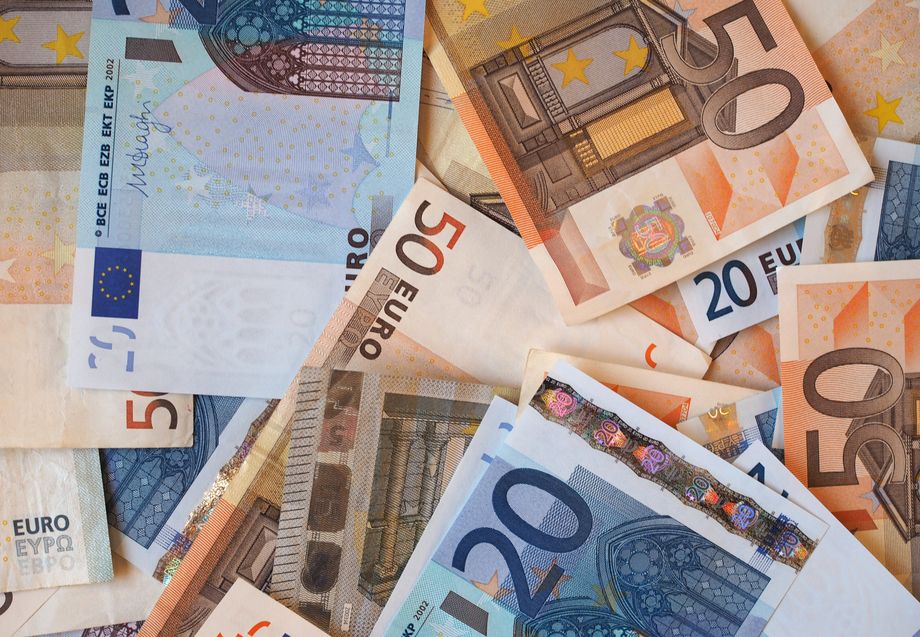
With Viktor Orbán sidelined and a window of political stability opening before France’s next presidential transition, European leaders face a rare opportunity to resolve the status of €210 billion in frozen Russian assets. The time to act is this September, before the current fragile consensus on Ukraine support inevitably shifts.
The strategic solution lies in the European Union assuming direct custody of the assets. While individual member states remain vulnerable to targeted coercion, the collective weight of the EU provides a necessary shield for senior officials. By establishing a central indemnity framework, the Union can absorb the residual risks currently borne by Belgium and Euroclear. Once these funds move under the direct control of Brussels, the path opens for either immediate confiscation or strategic deployment to support Ukraine’s defense.


Comments (0)
No comments yet. Be the first!