
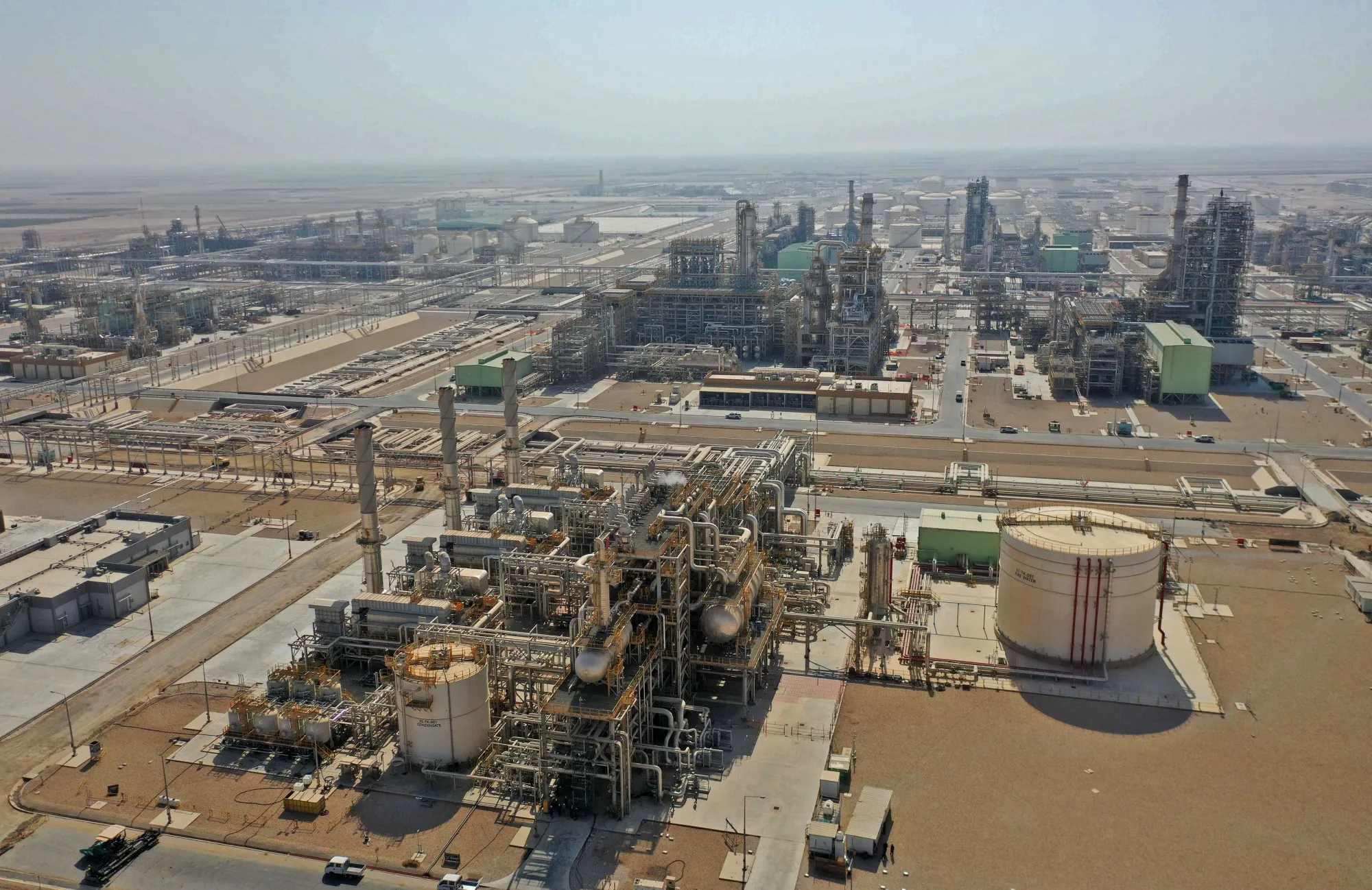
Iraq’s strategic importance remains unmatched, holding an estimated 145 billion barrels of crude with extraction costs among the lowest globally. Beyond the oil, its position serves as a critical geopolitical bridge between Turkey, Iran, and the Mediterranean. For years, Moscow and Beijing utilized this geography to circumvent sanctions and build infrastructure hubs, effectively sidelining Western firms. By the start of 2025, Chinese companies controlled roughly 34% of Iraq's proven reserves, while Russian entities held significant sway over the Kurdistan region.
Under the current administration, the U.S. has pivoted toward a aggressive strategy of re-entry, utilizing targeted sanctions to displace Russian operators and pressure Chinese interests. This shift is headlined by major acquisitions from American energy giants. ConocoPhillips has moved to acquire a 42% stake in BP’s Kirkuk-area operations, securing a role in the redevelopment of five major fields. Simultaneously, Chevron is finalizing its footprint in the south, stepping into the West Qurna 2 field following the withdrawal of Russia’s Lukoil. These moves are supported by the Common Seawater Supply Project, a vital infrastructure initiative that allows U.S. firms to optimize reservoir pressure across southern fields.



Comments (0)
No comments yet. Be the first!