
Unlike Saudi Arabia or the UAE, which possess pipeline infrastructure to skirt the Persian Gulf entirely, Qatar and Kuwait remained landlocked by the crisis during the spring months. The shift began in June when these producers started moving crude through the chokepoint to perform offshore transfers, effectively bypassing the logistical risks that had paralyzed their shipments earlier this year. This creative workaround mirrors the UAE's strategy, which involves dark-mode tanker movements and loading larger vessels in safer waters outside the strait.
Qatar and Kuwait Bypass Hormuz Bottlenecks to Restore Oil Exports
Two million barrels of crude once stalled by regional conflict are moving again, as Qatar and Kuwait mirror Emirati tactics to circumvent the Strait of Hormuz. By utilizing shuttle services and ship-to-ship transfers in the Gulf of Oman, both nations have reclaimed 70% of their pre-war export capacity.
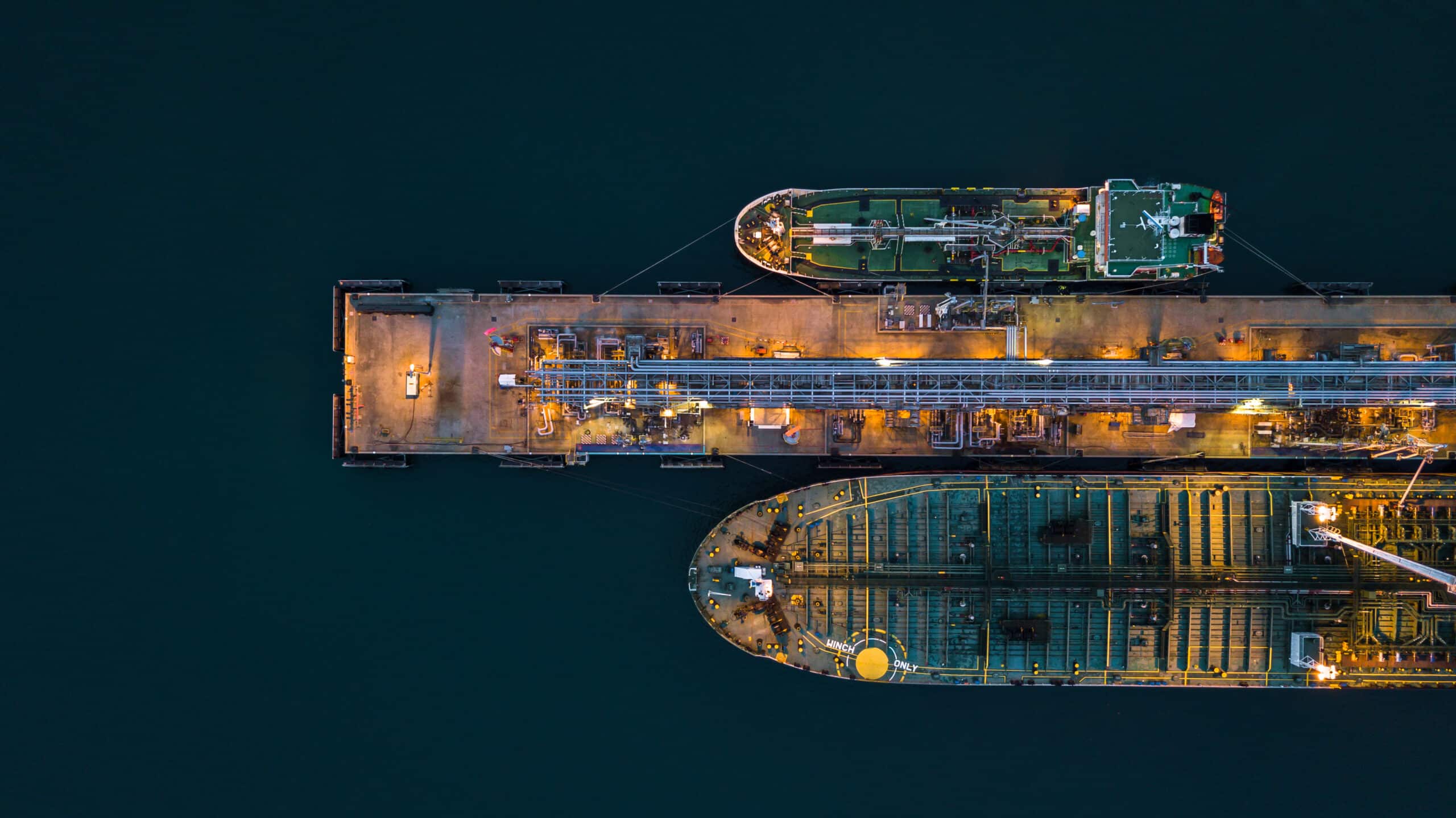
These maneuvers have pushed total daily flows through the Hormuz artery to between 7 and 8 million barrels, a significant recovery from the 4 million-barrel nadir recorded in mid-July. While the volume remains below February benchmarks, the consistent output has successfully tempered volatility in global benchmark futures. By integrating these shuttle operations with existing Red Sea routes and Egyptian Mediterranean ports, Gulf producers have managed to maintain market supply despite persistent regional instability.


Comments (0)
No comments yet. Be the first!