
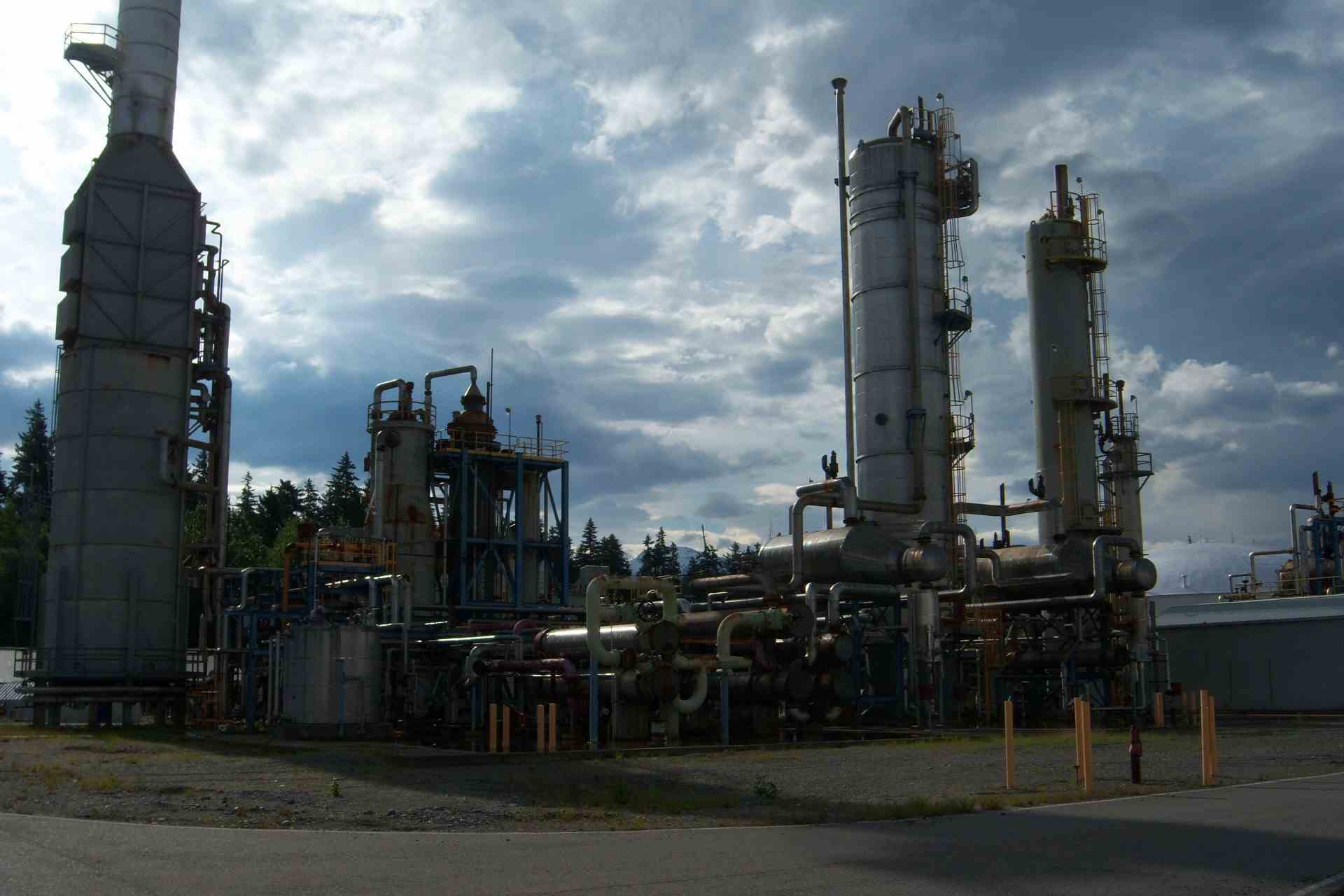
The Haber-Bosch method demands extreme temperatures and pressures, relying on natural gas or coal to supply the necessary hydrogen. In contrast, electrochemical synthesis utilizes electricity, water, and nitrogen. If powered by renewable energy, this shift could eliminate the sector's dependency on fossil-fuel feedstocks. However, the process remains hindered by the nitrogen molecule's exceptionally strong triple bond, which requires massive energy input to break.
To overcome this, a team led by Constantine Athanitis is focusing on metal nitride catalysts. Rather than the traditional "trial and error" approach of synthesizing thousands of alloys, the researchers are using machine-learning models to predict which combinations can efficiently manage both nitrogen dissociation and hydrogen transfer. Bilge Yildiz, a professor of Nuclear Science and Engineering, notes that these metal nitride compounds serve as an ideal system for mapping the structural and chemical properties required for effective reactivity.



Comments (0)
No comments yet. Be the first!