
While daily transit numbers remain volatile, industry data providers offer conflicting snapshots of the region's health. Kpler recorded a drop to seven ships from seventeen the previous day, while Windward identified six tankers in the area, noting that half were operating in "dark mode" to circumvent tracking. Despite these localized slowdowns, traders estimate that between 6 and 8 million barrels of oil exit the strait daily.
Tanker Traffic Through Hormuz Stalls as Oil Markets Shift Strategy
Tanker activity in the Strait of Hormuz plummeted this week, with only seven commodity vessels navigating the chokepoint on Thursday. This sharp decline—down from a ten-day average of fifteen—highlights a growing disconnect between physical ship movements and the broader, more resilient flow of oil exports from the Persian Gulf.
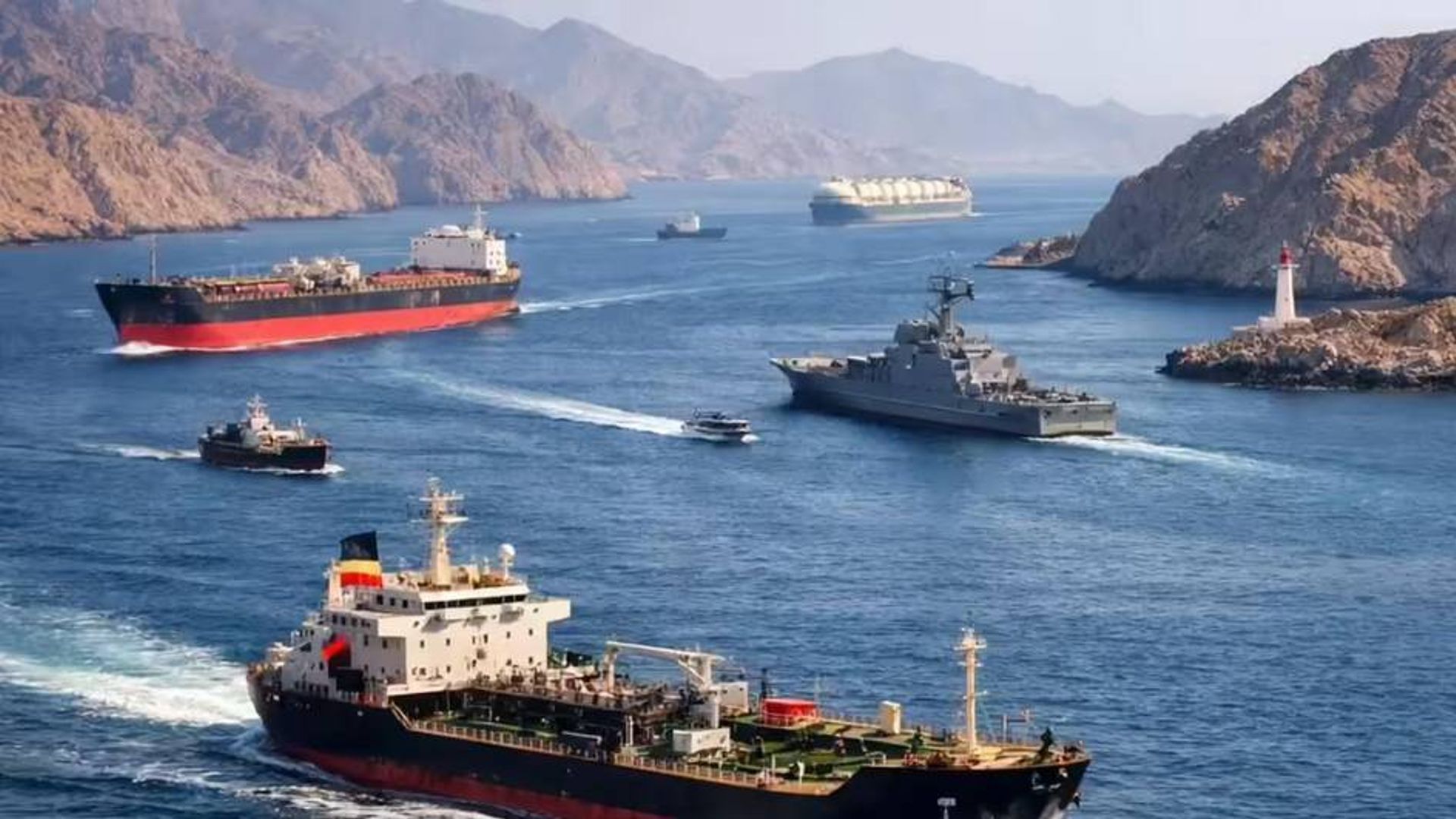
Analysts from Goldman Sachs and ING suggest that regional producers are actively restructuring their logistics to bypass the chokepoint. By increasing reliance on alternative export routes, these producers are insulating their supply chains against ongoing geopolitical friction between Tehran and Washington. This adaptation, coupled with the stalled peace talks, continues to exert upward pressure on crude prices. Meanwhile, speculation regarding a potential Venezuelan exit from OPEC adds another layer of uncertainty, though any meaningful impact on global output remains constrained by the long-term degradation of Venezuela’s domestic oil infrastructure.


Comments (0)
No comments yet. Be the first!