
Natural Resources Minister Alparslan Bayraktar confirmed the new solar plants, slated for Sivas and Karaman, will power over two million households. This infusion of capital represents a central pillar in Turkey’s strategy to reach 120 gigawatts of combined wind and solar capacity by 2035. Bayraktar noted that these projects rely entirely on external financing, signaling strong international confidence in Turkey’s energy infrastructure.
Turkey and Saudi Arabia Forge Strategic Energy Corridor
Saudi Arabia is anchoring Turkey’s push toward renewable dominance, with a fresh $2 billion investment earmarked for massive solar projects. The deal, part of a broader bilateral energy pact, aims to add 3 gigawatts of capacity to the Turkish grid while positioning the nation as a critical energy hub between continents.
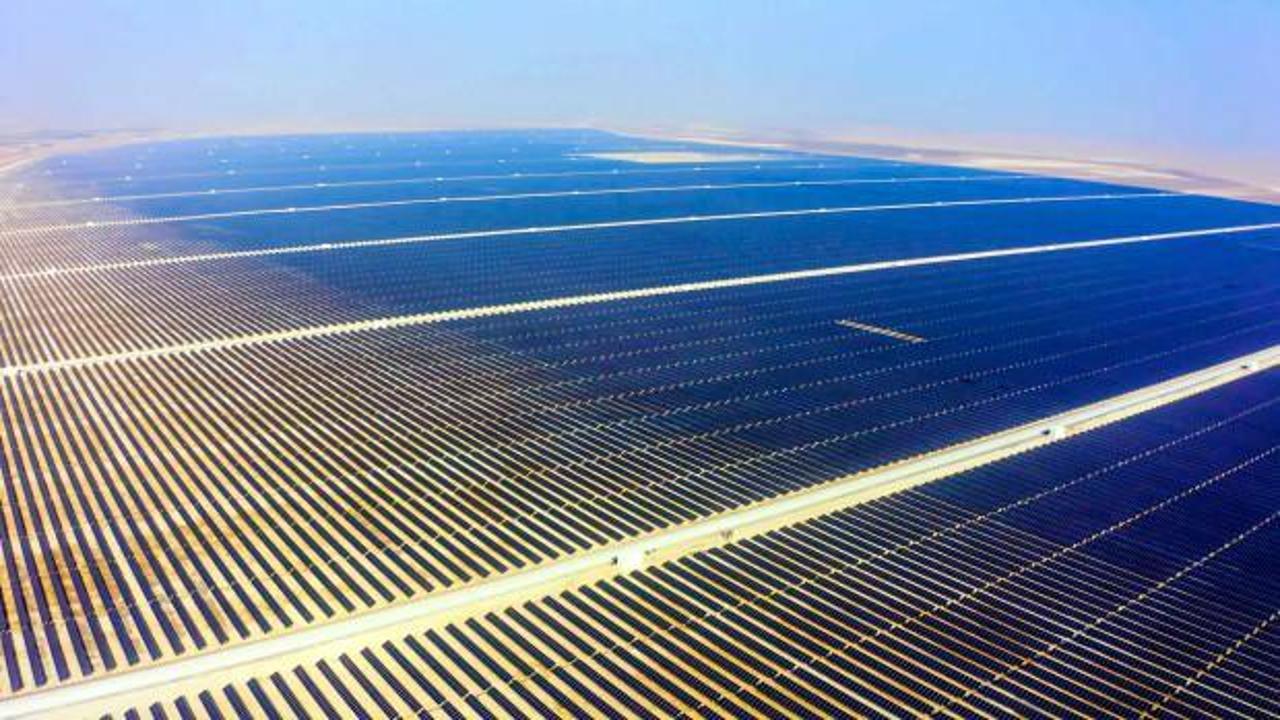
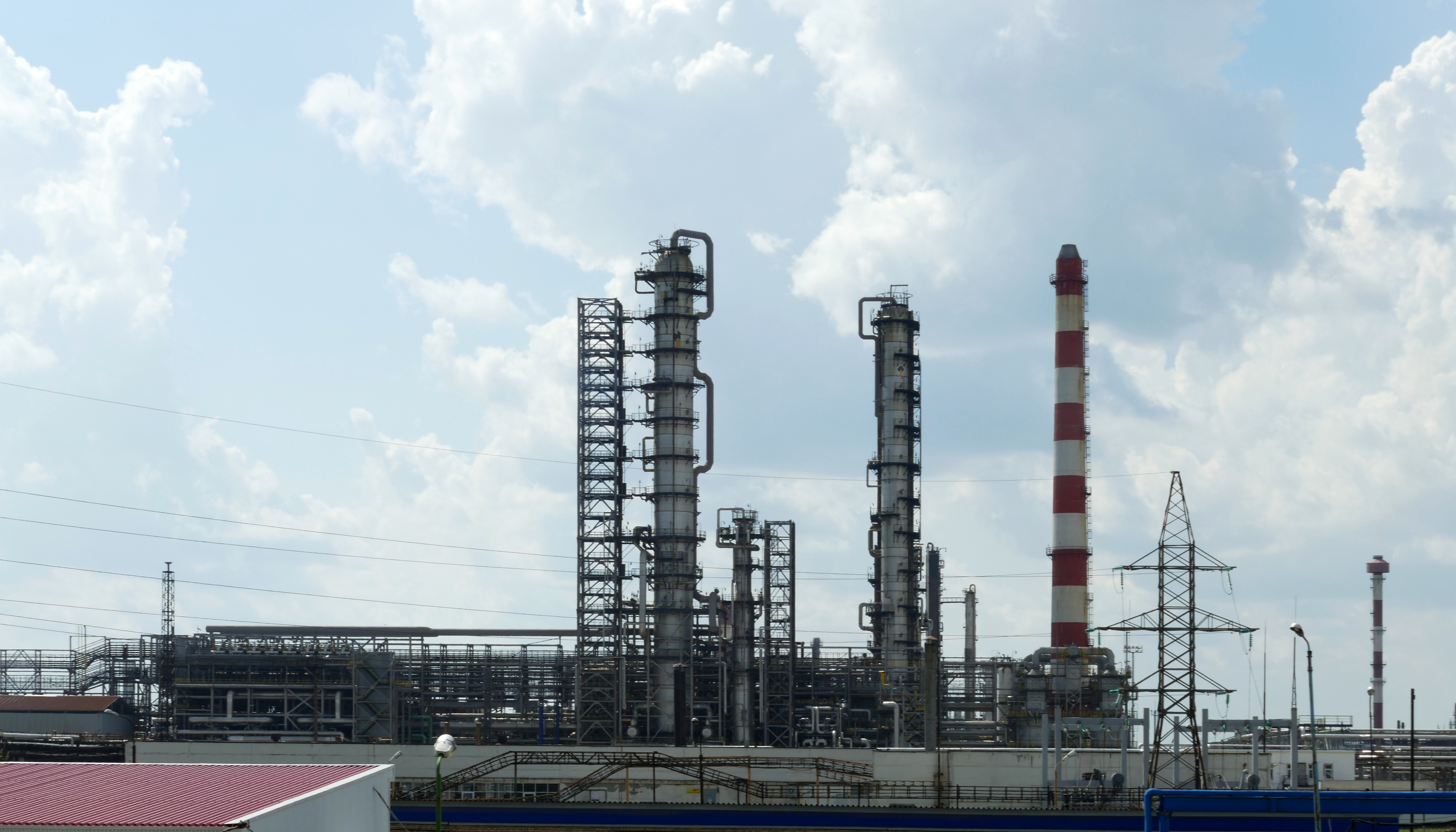
While diversifying into renewables, Turkey continues to expand domestic fossil fuel extraction, with Black Sea natural gas production expected to quadruple by 2028. Currently, coal remains the primary electricity source at 34 percent, though the government views this as a peak that will soon decline. With wind and solar auctions for 2.4 gigawatts already underway, the administration is pushing to make solar the country's leading electricity source by the end of this year. By balancing aggressive fossil fuel output with rapid renewable integration, Ankara intends to secure its role as a vital energy conduit connecting Middle Eastern supplies to European markets.



Comments (0)
No comments yet. Be the first!