
The reserve, which stores crude in salt caverns atop water cushions, faces significant engineering risks as volumes dwindle. According to Texas A&M University professor Siddharth Misra, operating below the 250-million-barrel level pushes infrastructure into a dangerous zone, as lower oil levels increase water pressure against cavern walls and extraction equipment. This physical vulnerability arrives at a precarious time, as ongoing conflicts in the Persian Gulf continue to squeeze global supplies, leaving markets increasingly sensitive to inventory fluctuations.
U.S. Strategic Petroleum Reserve Nears Critical Infrastructure Limits
With the U.S. Strategic Petroleum Reserve set to drop to 243 million barrels under a new OECD release plan, the facility is approaching a physical threshold that threatens its operational integrity. Falling below the 250-million-barrel mark complicates the extraction process and removes a key buffer against global oil price volatility.
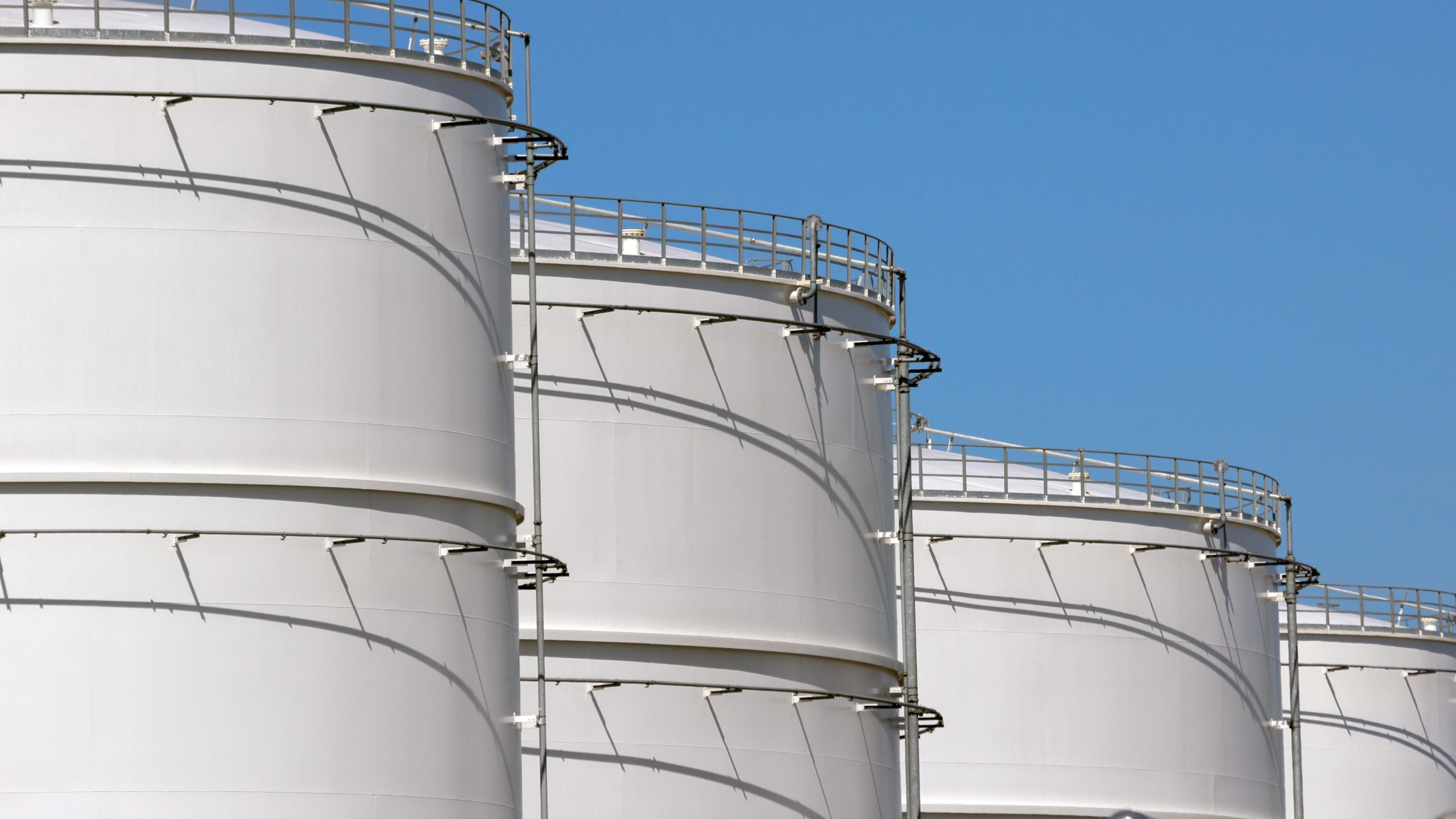
While the administration has signaled intentions to replenish the reserve using Venezuelan crude, technical hurdles remain substantial. The facility was designed to store light crude, whereas Venezuelan production is primarily heavy. Replacing the lost volume with incompatible oil could damage the storage system, and analysts at ClearView Energy Partners suggest that a swap strategy to acquire suitable light crude would require years to execute. As the U.S. reserve reaches these historic lows, the burden of market stabilization shifts heavily onto China's remaining inventories, which have also seen significant drawdowns since the start of the year.




Comments (0)
No comments yet. Be the first!